
White After Red? Rethinking a Classic Wine Maxim
A familiar saying, often misunderstood, reveals deeper truths about structure, not colour, in the art of wine service
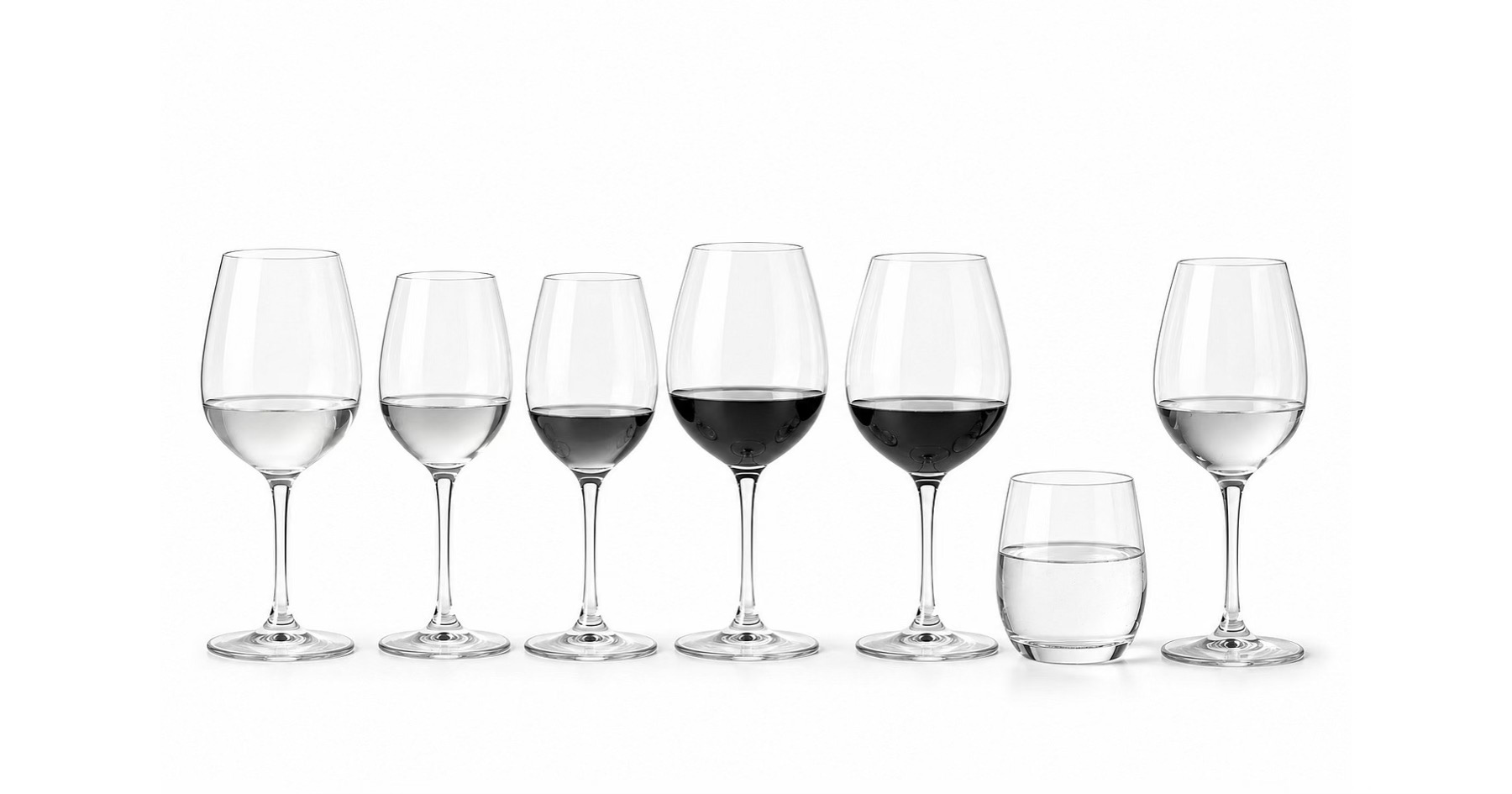
It is one of those aphorisms that surfaces quietly at the table, often with an air of inherited certainty. A glass is refilled, a gesture interrupted, and someone invokes the familiar rule: white before red, never the reverse. The phrase is repeated so often that it has acquired the authority of doctrine. Yet, like many traditions in wine, its meaning has drifted—subtly, but significantly—away from its origins.
The expression itself, when examined closely, suggests something quite different from its common interpretation. Linguistically, it does not prescribe white before red; rather, it allows for white after red. The nuance lies in succession. What follows what, and why, becomes the central question—not merely a matter of colour, but of sensory coherence.
Beyond Colour: The Logic of Structure
The deeper truth behind the maxim is not chromatic but structural. In formal tasting, the progression of wines has long been governed by intensity: from the most delicate to the most powerful. This principle encompasses aromatic expression, alcohol, texture, and, in the case of reds, tannic structure.
Colour, while visually immediate, is an imperfect guide. A light-bodied red may easily precede a richly textured white without disrupting the palate. Conversely, a structured white—dense, mineral, or oak-influenced—can follow a softer red with surprising harmony.
This perspective reframes the proverb entirely. It is not about avoiding a sequence, but about respecting balance.
A Burgundian Sensibility
The roots of this approach are often associated with the traditions of Burgundy, where the interplay between white and red wines is particularly nuanced. Here, whites made from Chardonnay or Aligoté can display remarkable depth and persistence—sometimes exceeding that of reds crafted from Pinot Noir.
In such contexts, concluding a meal with a white wine is not only logical but often desirable. The palate, having navigated the subtleties of red wine, finds a renewed clarity in the lift and tension of a well-structured white. The effect is not dissonant, but refreshing—an elegant reset rather than a rupture.
This approach extends naturally to other regions where white wines possess notable weight and complexity, such as Alsace and Jura.
When the Rule Falters
Yet the principle is not universal. Consider a structured red from Bordeaux followed by a brisk, aromatic white based on Sauvignon Blanc. The transition may feel abrupt, even jarring, as the palate struggles to recalibrate from tannic depth to sharp acidity.
Such moments reveal the limitations of any fixed rule. Wine resists simplification. Each bottle carries its own architecture, and each sequence demands a degree of attentiveness.
The Enduring Myth of “Bad Mixing”
What, then, of the long-held belief that certain combinations of wines lead to physical discomfort? Here, the evidence is more straightforward. The order of wines, whether red or white, plays a negligible role in how one feels the following day. The decisive factor remains quantity.
The proverb, in this sense, has been burdened with a caution it was never meant to carry. Its original function was aesthetic, not medical.
A More Refined Guideline
For those seeking a guiding principle, a more precise formulation emerges: progress from the lightest to the most structured, regardless of colour. Allow aromatic intensity, texture, and persistence to dictate the sequence.
And, perhaps most importantly, introduce a rhythm beyond wine itself. A glass of water between pours does more for clarity—both sensory and physical—than any proverb ever could.
In the end, the old saying endures not because it is strictly correct, but because it gestures toward a deeper truth. Wine, like language, rewards those who listen carefully.