
The Long Invention of Rosé Wine
From ancient clarets to Provence’s pale wines, rosé reveals a long, layered history shaped by technique, taste, and time
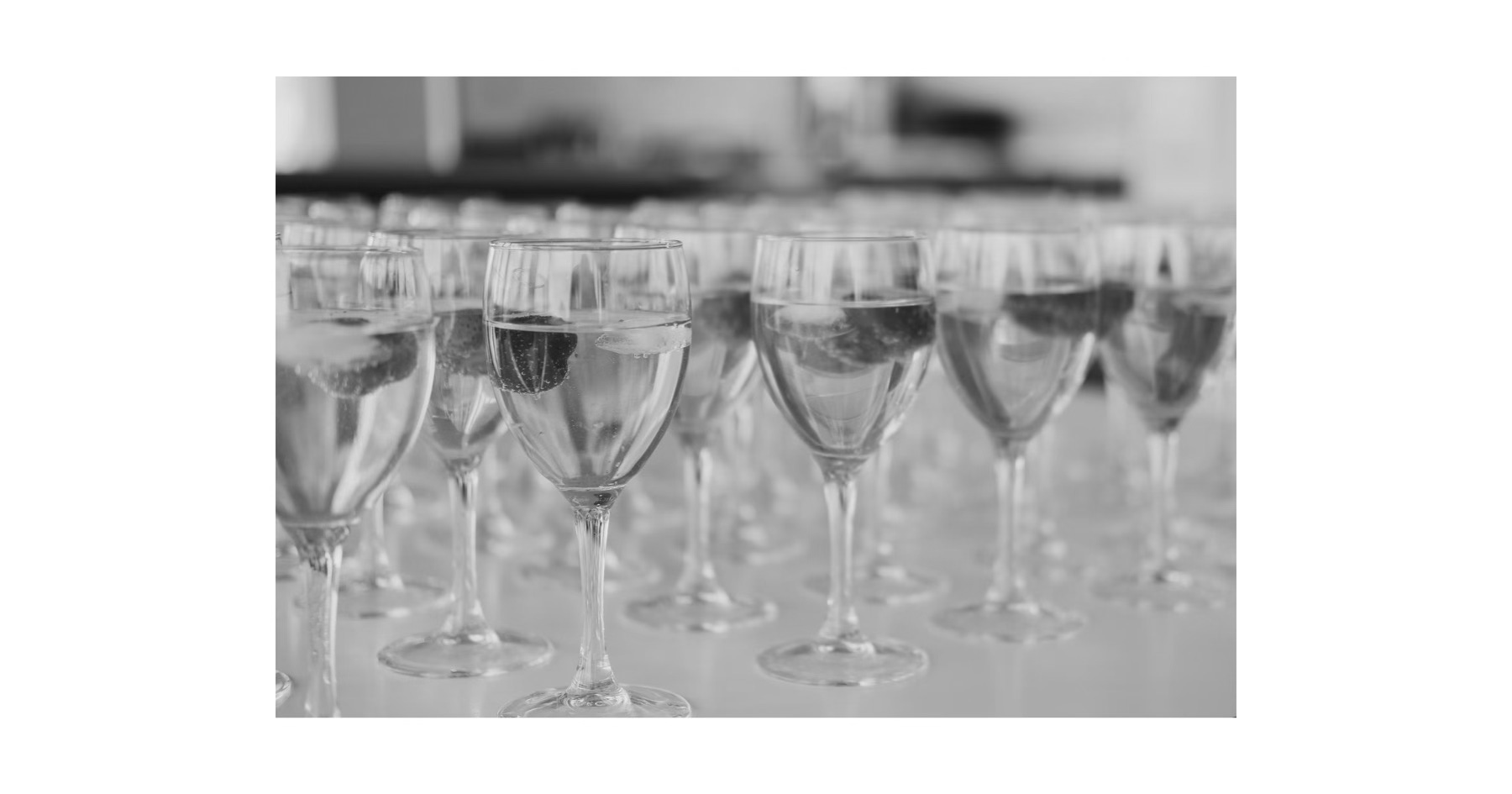
Rosé is often treated as a contemporary style—an aesthetic as much as a wine, defined by its pale hue and seasonal appeal. Yet its history extends far beyond the modern Mediterranean imagination. Long before Provence refined its signature expression, the foundations of rosé were laid across millennia, through evolving practices, shifting tastes, and the gradual understanding of color in wine.
Before Rosé Had a Name
The word “wine” appears in written form more than three thousand years before any clear reference to rosé. In the ancient Near East, wine was already a structured commodity, stored, transported, and taxed. Its color, however, remained secondary—an incidental result of technique rather than intention.
In Antiquity, most wines made from red grapes were in fact pale. Limited maceration, rudimentary pressing, and the absence of controlled extraction yielded liquids closer to what we would now call rosé or light red. Greek traders circulating between the Aegean and the western Mediterranean disseminated this style widely. The Romans later described such wines as vinum clarum, distinguishing them from darker, more structured wines obtained through longer skin contact.
The essential paradox is clear: what we now define as rosé may well have been the dominant expression of early red-grape vinification.
Medieval Clarets and the Culture of Light Wines
During the Middle Ages, viticulture in Western Europe remained largely indifferent to strict color categories. Red and white grapes were often co-fermented, producing wines of modest pigmentation. These were the wines of daily life—consumed in villages, traded along rivers, and served at aristocratic tables.
In Bordeaux, merchants exported what they called “claret”: a pale red wine, brisk and lightly structured, bearing little resemblance to the deep reds that would later define the region. Similar styles appeared across France under various names—vin gris, œil-de-perdrix, or simply light red wines—each reflecting local traditions rather than a unified category.
The Church, for its part, attempted to privilege darker wines for liturgical use, associating deeper color with symbolic resonance. Yet in practice, the variability of vinification made such distinctions difficult to enforce. The norm remained a spectrum of pale wines, evolving naturally over time.
The Turning Point: The Rise of Red
A decisive shift occurred in the early modern period, when Bordeaux producers began to favor more deeply colored wines. Through improved maceration and a growing understanding of extraction, they created what became known as “new French claret”—a precursor to modern red wine.
This transformation redefined expectations. Depth of color became associated with quality, structure, and longevity. Pale wines, once standard, were gradually relegated to local consumption. Yet they did not disappear. Across regions such as the Loire Valley, the Rhône, and northeastern France, lighter wines persisted, maintaining a quiet continuity with earlier traditions.
From Argenteuil to Provence
The term “rosé” itself emerged relatively late. By the late seventeenth century, it entered the French lexicon, describing wines of a pleasing red hue tending toward pink. Around Paris, particularly in Argenteuil, blends of local grape varieties produced delicately colored wines that helped define this emerging category.
Meanwhile, Provence—now synonymous with rosé—was still far from establishing its identity. The region’s transformation began only after the phylloxera crisis of the nineteenth century. Replanting efforts favored high-yielding varieties such as Cinsault and Aramon, which produced lighter-colored wines. Faced with the challenge of meeting expectations for deeper reds, some producers turned to blending or concentration techniques.
Others, however, embraced the natural outcome: pale, lightly structured wines drawn off early in the vinification process. Initially considered secondary products, these early Provençal rosés were simple, often consumed locally. Their future significance was not yet apparent.
The Discipline of Quality
The elevation of rosé in Provence owes much to a small number of producers who approached it with the same rigor applied to fine white or red wines. Among them, pioneers in the early twentieth century began selecting more suitable grape varieties, refining pressing methods, and controlling fermentation with greater precision.
Direct pressing, careful temperature management, and a focus on aromatic clarity gradually transformed rosé from a by-product into a deliberate style. Regions such as Bandol and Tavel developed distinct identities, while estates along the Mediterranean coast began to align quality with consistency.
The democratization of leisure in the twentieth century further supported this evolution. As coastal tourism expanded, rosé became associated with a particular lifestyle—yet its technical foundations were steadily improving beneath the surface.
Antiquity Revisited
The modern success of rosé in Provence is often framed as a recent phenomenon, but its deeper roots suggest otherwise. The arrival of Greek settlers on the Mediterranean coast around 600 BCE introduced viticulture based on minimal extraction—producing wines that were, in essence, pale.
Roman authors later codified these distinctions, recognizing both lighter and darker styles. In this sense, the trajectory of rosé is less an invention than a rediscovery: a return, through modern technique, to an ancient equilibrium between color, freshness, and drinkability.
The Emergence of Pale Rosé
The defining aesthetic of contemporary rosé—its pale, almost translucent hue—emerged only in the late twentieth century. Advances in pressing technology and a renewed focus on precision allowed winemakers to extract minimal color while preserving aromatic finesse.
This shift was not merely cosmetic. Lighter color came to signify delicacy, balance, and a certain modernity. It aligned with evolving consumer preferences, particularly in international markets, where clarity and freshness were increasingly valued.
By the 1990s, pale rosé had become the benchmark for Provence. Its success was rapid and far-reaching, reshaping global perceptions of the category. Yet this transformation rested on centuries of experimentation, adaptation, and continuity.
A Style Defined by Time
Rosé today occupies a unique position within the wine world. It is at once ancient and modern, shaped by techniques that span from Antiquity to contemporary oenology. Its color—once incidental, now intentional—tells a story of evolving taste, technical refinement, and cultural exchange.
To view rosé solely through the lens of Provence is to overlook this deeper narrative. The region has undoubtedly refined and popularized the style, but its origins lie in a far broader history—one in which pale wines were not the exception, but the rule.
In that sense, rosé is less a recent trend than a long-standing expression, rediscovered and redefined for a new era.