

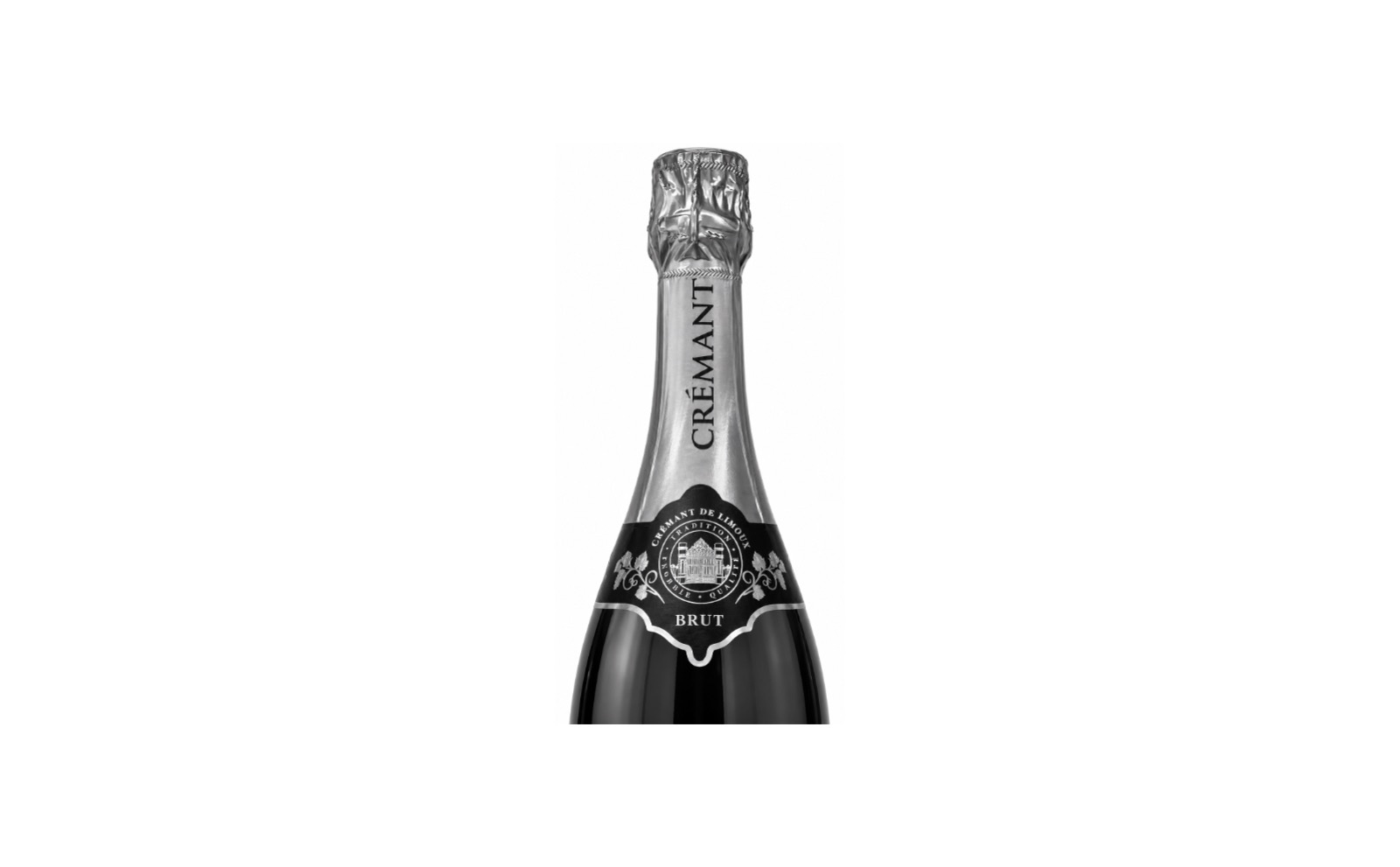
French Crémant has become one of the brighter stories in an otherwise difficult period for wine. While overall consumption is under pressure in many established markets, sales of France’s traditional-method sparkling wines continue to move in the opposite direction.
That momentum is bringing more than commercial success. As Crémant gains recognition beyond France, producers are increasingly concerned about how the term is being used elsewhere in Europe. At the heart of the discussion is a deceptively simple question: what, exactly, should a bottle have to be before it can call itself Crémant?
For French producers, the answer is not merely a matter of branding. It concerns the production rules and geographical identity that have shaped Crémant as a distinct category of European sparkling wine.
French Crémant in a declining wine market
France has eight Crémant-producing regions: Alsace, Bordeaux, Burgundy, Die, Jura, Limoux, the Loire and Savoie. Together, they sold around 122.9 million bottles in 2025, according to the Fédération Nationale des Producteurs et Élaborateurs de Crémant (FNPEC).
That represents an increase of 58% compared with 2016. Growth has been particularly strong recently, with annual sales rising by around 7% in each of the past two years.
The figures stand out because they come at a time when the wider wine sector is facing falling consumption and considerable economic pressure. Crémant, by contrast, has managed to broaden its audience while retaining a close connection to regional appellations.
France remains its largest market, but exports now account for roughly 43% of sales. The FNPEC reports sustained demand from countries including the United States, Canada, the United Kingdom and Germany.
For a category once encountered mainly by drinkers already familiar with the wine regions that produced it, that international reach represents a significant change.
What makes French Crémant distinctive?
Crémant is not simply another word for sparkling wine.
Within the European regulatory framework, the term is associated with specific production requirements. These include secondary fermentation by the traditional method, harvesting the grapes by hand and producing the wine within a defined geographical framework.
In France, those principles are expressed through regional appellations such as Crémant d’Alsace, Crémant de Bourgogne and Crémant de Loire.
This connection to origin matters. There is no single French Crémant style: the eight appellations belong to very different wine regions, each with its own viticultural identity. What unites them is a production framework intended to give the term a meaning beyond the presence of bubbles in the bottle.
France is not alone in its history with the name. Belgium and Luxembourg also belong to the established European tradition of Crémant production. Nor do French producers own the word itself.
That distinction has become increasingly important as interest in the category spreads.
Why the Crémant name is under scrutiny
According to the FNPEC, producers have noticed growing interest in the term since 2024, particularly among sparkling-wine producers in Italy, Germany, Austria and parts of Eastern Europe.
The federation’s concern is not that Crémant production should remain exclusively French. Rather, it argues that anyone using the designation should meet the same European requirements.
French industry representatives say they have already contacted producers in Germany and Italy after encountering wines carrying the Crémant name without, in their view, fulfilling all of the conditions normally associated with it. In other cases, the term had reportedly been incorporated into broader production specifications rather than a dedicated protected geographical framework.
The distinction may sound technical, but it goes to the heart of how European wine names acquire their value.
Once consumers begin to associate a term with a particular method and level of provenance, inconsistent use can weaken its meaning. For producers who have invested in hand harvesting, traditional-method production and appellation rules, protecting that shared definition becomes an economic as well as cultural concern.
French Crémant and the value of a name
The debate arrives at an interesting point in Crémant’s development.
Its expansion has occurred without turning the category into a single uniform brand. A bottle of Crémant still leads the drinker back to a particular region: Alsace, Bordeaux, Burgundy, Die, Jura, Limoux, the Loire or Savoie.
That regional dimension is arguably one of the category’s strengths. Crémant offers wine lovers a way into the sparkling traditions of several French regions rather than presenting itself as one homogeneous style.
Its growing international profile, however, makes clarity increasingly important. As the word becomes more familiar on export markets, fewer consumers will necessarily know what production standards sit behind it. The greater the recognition of the name, the greater the importance of ensuring that it continues to communicate something precise.
This is why the present discussion extends beyond a dispute over labelling. It is about whether Crémant remains a regulated wine designation with a recognisable set of requirements or gradually becomes a looser marketing term for sparkling wine.
Success creates a new challenge
For years, much of the conversation around French Crémant centred on discovery: more regions, more producers and a growing audience willing to explore traditional-method sparkling wines beyond the most famous names.
Its current success changes the nature of that conversation.
The challenge now is not simply to convince drinkers that Crémant deserves attention. Rising sales suggest that this has already happened to a significant degree. The next task for producers is to preserve the meaning of the name as more wineries and markets take an interest in it.
For wine lovers, that makes the appellation on the label increasingly worth noticing. “Crémant” may be the word that first catches the eye, but the regional name beside it remains essential to understanding where the wine comes from and the framework under which it was made.
The category’s growth is therefore both an achievement and a test. French Crémant has built enough momentum to attract attention far beyond its traditional audience. Its producers now want to ensure that popularity does not come at the expense of the standards that gave the name its significance in the first place.