
Domaine Raveneau Les Clos: Chablis Grand Cru in Historical Perspective
A deep dive into the legacy, terroir, craftsmanship, vintage evolution, and enduring significance of Domaine Raveneau’s iconic Les Clos.
Identity and Historical Position
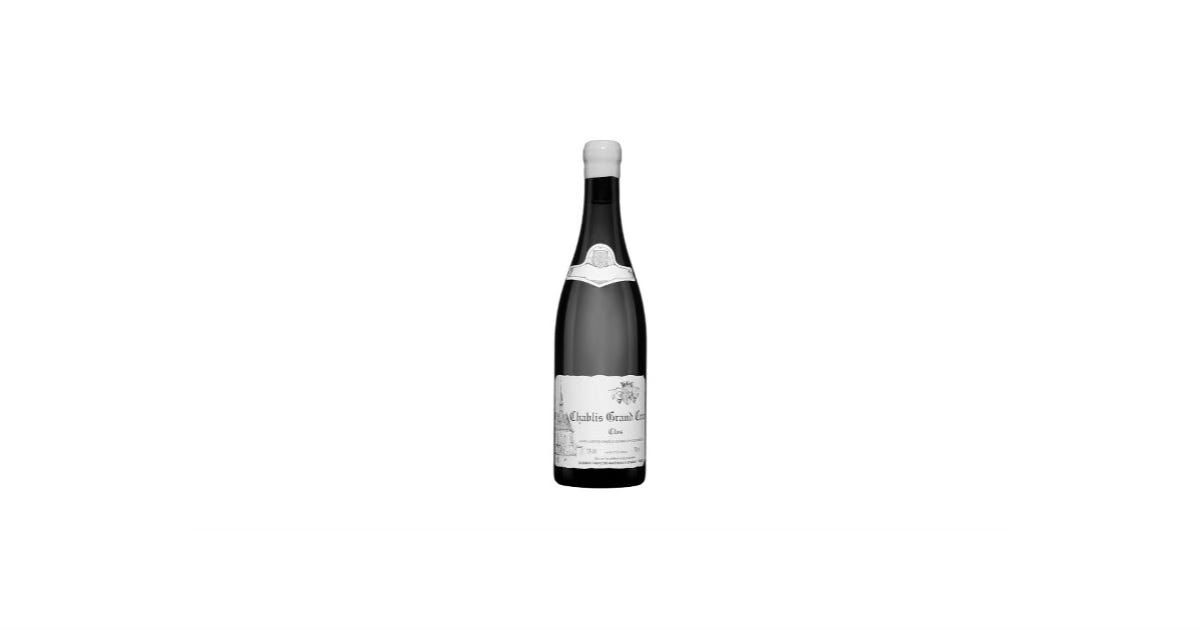
At the literal and symbolic summit of Chablis stands Les Clos, the most celebrated of the appellation’s Grand Crus, and the vineyard from which Domaine François Raveneau produces what is widely regarded as its most profound and enduring wine. As a Grand Cru of Chablis—Burgundy’s northernmost wine district—Les Clos is commonly considered the appellation’s foremost climat, renowned for producing the most structured, powerful, and long-lived wines of the region. Raveneau’s expression of Les Clos exemplifies this reputation in its purest form. Over time, it has come to occupy a singular position not only within Chablis but within the broader narrative of French fine wine, fundamentally reshaping perceptions of what Chablis is capable of achieving.
The roots of this achievement lie in the foundation of the domaine itself. Domaine François Raveneau was established in 1948 by François Raveneau, who consolidated his own family’s vineyard holdings with those of his wife, whose family belonged to the well-known Dauvissat lineage. At the time, Chablis was a region in deep distress. The combined effects of phylloxera, two world wars, and a series of devastating frosts—particularly those of the 1950s—had left the area economically and viticulturally crippled. Many vignerons, facing repeated crop losses and uncertain prospects, chose to sell their land, abandon their vines, or retreat into selling grapes to cooperatives and négociants.
François Raveneau chose a different path. Rather than withdrawing from Chablis at a moment when confidence in the region was at its lowest, he committed himself to its future. Beginning in the 1960s and continuing through the 1970s, he systematically acquired choice vineyard parcels, including prime holdings in Les Clos itself. This strategy was considered audacious, even impractical, at a time when estate bottling was rare in Chablis and most growers relied on bulk sales. François Raveneau, however, insisted on bottling his wines at the domaine—then a pioneering decision within the appellation. This insistence allowed him to control quality from vine to bottle and laid the groundwork for a level of precision and consistency that would eventually redefine Chablis standards.
In these early decades, Raveneau’s wines circulated quietly among a small but growing circle of French connoisseurs. Through word of mouth, they developed a reputation for an inimitable style—wines of depth, mineral authority, and longevity—at a time when Chablis as a whole was still widely regarded as a peripheral or even inferior region when compared to the Côte d’Or. The broader wine world had yet to recognize Chablis as a source of grand vin.
A decisive turning point occurred in the late 1970s. The American importer Kermit Lynch encountered a bottle of Raveneau—specifically the 1976 Montée de Tonnerre—while dining at Restaurant Taillevent in Paris. Struck by the wine’s unexpected depth and structure, Lynch spent several years attempting to persuade François Raveneau to export his wines to the United States. The domaine was initially reluctant, concerned that the wines’ delicacy might not withstand long overseas transport.
Eventually, this resistance gave way. With the 1979 vintage, Domaine Raveneau’s wines—including Les Clos—made their first appearance on the American market. The reception was immediate and enthusiastic: a succès d’estime that marked the beginning of Raveneau’s international reputation. From that moment forward, the domaine’s wines began their transformation from local connoisseurs’ secrets into objects of global fascination.
By the 1980s, Raveneau had achieved what few Chablis producers before them had managed. Collectors across Europe, the United States, and later Asia actively sought out the wines, drawn by their scarcity, their rigorously traditional production, and the paradox they represented: a small, family-run domaine producing wines of unmistakable grandeur from a region long underestimated. Alongside the wines of the Dauvissat family, Raveneau’s Chablis played a decisive role in elevating the appellation into the highest ranks of French white wine.
Within Burgundy enthusiasts’ circles, Raveneau’s Les Clos gradually became a reference point Chardonnay, spoken of in the same breath as iconic wines from Meursault or Puligny—while retaining a distinctly Chablisien identity. Its historical trajectory closely mirrors that of Chablis itself: a rise from mid-century obscurity to modern recognition as a source of white wines capable of profound depth and long-term aging.
Throughout this ascent, the domaine remained resolutely family-run and intensely traditional. After François Raveneau’s retirement in 1995, his sons Bernard and Jean-Marie Raveneau assumed responsibility for the estate, maintaining the same philosophical and technical principles established by their father. In more recent years, the third generation—Bernard’s daughter Isabelle Raveneau and Jean-Marie’s son Maxime Raveneau—has begun to take on increasing responsibility within the domaine. Despite these generational transitions, the core philosophy has remained remarkably stable.
This continuity has been essential in preserving Raveneau’s singular identity. Over decades, Les Clos has built an unparalleled track record of quality, reinforced by key milestones: the late-1970s export breakthrough, the steady accumulation of critical acclaim in the 1990s as the wines’ aging potential became undeniable, and the consolidation of a global cult following. Today, Raveneau’s Les Clos stands simultaneously as a coveted collector’s item and a living historical document—a wine that encapsulates both the storied past and the evolving present of Chablis within the canon of French fine wine.
Vineyard and Terroir
Raveneau’s Les Clos is drawn from an exceptionally small and precisely situated holding within one of France’s most important vineyards. Les Clos is the largest and most esteemed of Chablis’s seven Grand Crus, forming a single, contiguous slope immediately above the town of Chablis. The vineyard faces predominantly southwest, a defining feature that sets it apart from many of the region’s cooler Premier Crus and contributes directly to the power and longevity of its wines.
Within this celebrated climat, the Raveneau family owns approximately 0.5 hectares (1.2 acres)—an almost microscopic portion of the total surface area. This holding is divided into two small parcels, both located in the northern sector of Les Clos. Despite its size, the positioning of the Raveneau plot is highly strategic. The vines sit mid-slope, where the soils are thin, stony, and exceptionally well-drained, and where the exposure is fully south-facing. This placement ensures optimal sunlight interception throughout the growing season while avoiding the excessive fertility sometimes found lower on the slope.
The soils of Les Clos are emblematic of Chablis at its most classical. Like all the Grands Crus of the appellation, the vineyard is rooted in Kimmeridgian limestone marl, a Jurassic-era geological formation composed of alternating layers of clay and limestone densely packed with fossilized oyster shells. This ancient seabed is widely acknowledged as the source of Chablis’s hallmark mineral expression. At the Raveneau site, the soils are described as particularly rocky and thin, a characteristic that intensifies mineral definition and contributes to the wine’s formidable structure.
The slope itself plays a crucial role in regulating vine behavior. In wet years, the combination of gradient and stony composition allows water to drain rapidly through the porous ground, preventing waterlogging and dilution. In dry years, the old vines’ deep root systems penetrate the limestone substrata in search of moisture, moderating hydric stress and sustaining ripening even under drought conditions. Critics and observers note that this very stony portion of Les Clos consistently yields grapes with striking minerality and serious structure, often rendering the resulting wines almost impenetrable in youth.
The vertical position on the slope further shapes the wine’s character. The upper reaches of Les Clos tend to have shallower topsoil and greater limestone exposure, producing grapes with piercing acidity and a stark mineral profile. Lower down, slightly deeper clay lends additional breadth and flesh. Raveneau’s parcels, spanning the mid to upper slope, capture a balance between these extremes: intense stony structure from the limestone-rich soils combined with sufficient fruit weight derived from excellent exposure at this elevation.
Climatically, Les Clos is one of the warmest sites in Chablis, owing to its southerly orientation and the natural amphitheater formed by surrounding hills, which shelter the vineyard from cold northern winds. As a result, Les Clos routinely enjoys more sunlight and slightly higher temperatures than the region’s Premier Cru vineyards, aiding full ripening of Chardonnay even in marginal years. This advantage has historically made Les Clos one of the most reliable Grand Crus in cooler vintages.
However, this warmth also introduces challenges, particularly in the context of climate change. The domaine has observed that harvest dates are now often two weeks earlier than they were several decades ago. Even in years considered “cool” by modern standards, the bracing acid levels that were common in the 1970s are no longer routinely achieved. Bernard Raveneau himself has spoken openly about how dramatically the seasons have warmed and advanced over his lifetime.
This climatic shift has had a dual effect. On one hand, the risk of catastrophic spring frost, long Chablis’s greatest threat, has become slightly less acute due to milder springs. On the other, hotter summers increasingly push sugar levels higher while reducing acidity, subtly shifting the wine’s balance toward richness rather than razor-like tension. The terroir of Raveneau’s Les Clos mitigates this tendency to some extent: the lean, stony soils of the upper slope naturally promote acid retention and mineral grip, anchoring the wine even in warm years.
Year after year, the vineyard reflects climatic conditions with remarkable clarity. In cool growing seasons, the wines are tightly wound, bone-dry, and austere, with searing acidity and linear structure. In warm years, Les Clos produces a broader, more fruit-driven expression, yet one that remains unmistakably rooted in its terroir. Even in these riper vintages, the goût de terroir—the taste of limestone and marine fossils—never disappears.
The vines themselves form an essential component of this terroir expression. Raveneau’s Les Clos vines average 45 to 50 years of age, with some parcels planted as early as 1963 and others added in the late 1970s and 1980s. A portion of the holding was replanted in 1989, creating a mosaic of vine ages across the parcels. Even the youngest vines are now over 30 years old, well beyond the juvenile phase and firmly established.
These mature vines naturally yield low quantities of highly concentrated fruit. Their deep root systems, developed over decades, further enhance mineral nuance in the grapes. Viticulture at the domaine follows a philosophy of lutte raisonnée—reasoned, sustainable farming—with an emphasis on soil health and vine balance. Chemical herbicides have not been used in recent years; instead, the rows are rigorously ploughed to control weeds and aerate the soil. Disease treatments are applied sparingly and only when necessary, and while the domaine is not formally certified organic, its practices have gradually moved closer to organic methods.
One practice that sets Raveneau apart in Chablis is hand harvesting, which remains rare in a region where mechanical harvesting is common. All grapes destined for Les Clos are picked by hand, allowing for careful selection of healthy bunches and minimizing damage to the delicate Chardonnay skins. This attention preserves grape integrity from vineyard to press.
Yield control is another cornerstone of Raveneau’s viticulture. Although legal yields for Chablis Grand Cru are already limited (typically around 54 hl/ha), Raveneau consistently works well below this threshold. The old vines are severely pruned in winter, reducing the number of buds and clusters per vine. Additional yield management occurs through spring debudding and careful canopy management, ensuring that each vine ripens only a modest quantity of fruit.
In a typical year, Raveneau’s Les Clos produces only 3,000 to 4,000 bottles, an almost negligible quantity on a global scale. In difficult years, nature reduces yields even further: frost, such as in 2021, or hail, as in 2016, can decimate production. Even in generous seasons, however, Raveneau’s output remains deliberately limited, reflecting an unwavering commitment to quality over volume.
Despite its relatively warm exposure, Les Clos is acutely sensitive to vintage variation. The family often emphasizes that no two vintages are alike. The terroir supplies the grand structural framework—acidity, salinity, and extract—but the balance between fruit richness and mineral austerity shifts with each growing season. In extremely hot years, well-drained soils can induce hydric stress, resulting in small, thick-skinned berries and powerful wines with slightly lower acidity. In cool, late years, the same vines produce higher-acid musts with razor-sharp profiles.
The south-facing aspect generally ensures ripeness by the end of September, yet in extreme years—such as 1972 or 2013—full maturity was difficult to achieve, yielding leaner, more angular wines. Conversely, excessive heat in years like 2003 or 2018 pushed Les Clos toward unfamiliar opulence and softer acidity. Through all these fluctuations, Raveneau’s Les Clos remains unmistakably itself. The imprint of chalky limestone and ancient marine sediments, combined with the pedigree of an old Grand Cru vineyard, provides a constant baseline of quality that transcends vintage variation.
Grape Composition and Viticultural Choices
Chablis is defined by a single grape variety: Chardonnay. Accordingly, Domaine François Raveneau’s Les Clos is produced from 100% Chardonnay. Yet the apparent simplicity of this statement conceals the complexity of the plant material and viticultural decisions that underpin the wine’s character. At Raveneau, Chardonnay is not treated as a neutral vehicle but as a living medium through which terroir is expressed with maximum fidelity.
Over successive generations, the Raveneau family has cultivated its Chardonnay vines in a manner designed to amplify site expression rather than standardize results. In the domaine’s early years, François Raveneau planted a mixture of massal selections—cuttings taken from older local vines—and the Chardonnay clones that were available at the time. The estate has never publicly identified the use of any specific modern clonal series. Given the age of many vines, a substantial portion of the vineyard consists of pre-clonal or early clonal material, contributing to genetic diversity within the parcel.
This diversity plays a meaningful role in the wine’s complexity. Slight differences in vine genetics, combined with varying vine ages across the parcels, produce berries with subtly different aromatic and structural profiles. The average vine age of approximately 45 years in Les Clos places the majority of the vineyard well before the widespread adoption of standardized clones in the 1990s. Where replanting has occurred—notably in 1989—the Raveneau family is believed to have propagated cuttings from their own older vines or from closely related holdings, such as those of the Dauvissat family, rather than relying exclusively on commercial nursery stock. The result is a population of vines deeply adapted to the Les Clos climat and resilient through decades of climatic variation.
Throughout the growing season, vineyard work is meticulous and labor-intensive. Winter pruning is deliberately severe, leaving very few buds per vine. This old-school approach naturally limits yields and concentrates the vine’s energy into a small number of grape clusters. In spring, the team performs ébourgeonnage (debudding), removing excess shoots to further regulate crop load and improve airflow within the canopy.
As the season progresses, canopy management becomes critical. Leaves are managed to ensure sufficient sunlight reaches the fruit zone without exposing grapes to excessive heat or sunburn during the hottest periods of summer. In years when vines set an unusually large number of clusters, the domaine may undertake green harvesting, removing surplus bunches to ensure even ripening. However, the old vines often self-regulate, naturally producing fewer clusters without the need for intervention.
By veraison, when grapes soften and begin to ripen, the focus shifts to maintaining vine health and uniform maturation. The objective is not simply sugar accumulation but full physiological ripeness, encompassing flavor development, skin maturity, and balanced acidity.
One of the defining aspects of Raveneau’s viticultural philosophy is the pursuit of optimal ripeness at harvest. In the mid-20th century, many Chablis producers harvested early to preserve acidity and avoid autumn rot, often producing wines that were thin or green. François Raveneau deliberately rejected this approach. He favored harvesting later, once flavors were fully developed and sugars sufficient to provide body and balance. This philosophy remains intact today.
Harvest timing at Raveneau is determined through daily vineyard tastings in the days leading up to picking. The family seeks a precise equilibrium where sugar levels, acidity, and phenolic maturity align. This judgment is particularly delicate in Chablis’s variable climate. In cooler years, harvest may take place in late September or early October, as in vintages such as 1996 or 2014. In warmer years, including 2020, grapes may be harvested as early as late August or very early September. Regardless of the date, harvest is conducted swiftly, often in the morning, to bring cool, intact bunches to the winery and begin pressing without delay.
All harvesting is performed by hand, allowing for selection directly in the vineyard. In challenging years marked by disease pressure—such as 2001, when rot was widespread, or 2016, when hail caused significant damage—pickers conduct strict triage, cutting away compromised grapes and leaving them on the ground. If necessary, additional sorting occurs at the winery on a sorting table, though careful vineyard selection is usually sufficient.
By the time the grapes reach the press, Raveneau’s viticultural choices have already shaped the wine’s potential. Thanks to low yields, old vines, and attentive farming, Les Clos grapes arrive richly flavored and structurally balanced. Potential alcohol levels typically range between 12.5% and 13.5%, while natural acidity remains high. Berry size is often small, particularly in low-yield years, resulting in a high skin-to-juice ratio that enhances concentration and contributes subtle phenolic structure to the must.
There is no blending, no alternative varieties, and no corrective manipulation to compensate for vineyard shortcomings. Les Clos is a pure expression of Chardonnay from a single Grand Cru site, making the quality of vineyard work paramount. The Raveneau family has never pursued higher-yielding clones or viticultural shortcuts to increase production. Adjustments in the vineyard—such as modifications to trellising height or canopy density—have been made only to enhance quality or adapt to warmer, more disease-prone summers, not to boost volume.
In parallel, the domaine’s farming practices have evolved toward greater sustainability. While not certified organic, Raveneau has largely eliminated synthetic inputs and embraces what it describes as a “respectful and reasoned philosophy” in the vineyard. The heavy use of chemical fertilizers and pesticides common in the 1970s is long gone. Healthier soils and balanced vines, the family believes, translate directly into better fruit—a conviction especially relevant in Chablis Grand Cru, where the wines are so transparent that any flaw in grape quality is immediately perceptible in the glass.
At harvest, the Chardonnay grapes destined for Les Clos arrive coated in natural bloom—wild yeasts carried from the vineyard—and brimming with a chalk-infused intensity. This raw material, shaped by decades-old vines and exacting viticulture, forms the foundation upon which Raveneau’s traditional vinification and élevage will build, without ever obscuring the voice of the vineyard itself.
Vinification and Élevage
Once the Les Clos grapes have been harvested by hand, Domaine François Raveneau’s approach in the cellar is governed by a single guiding principle: to intervene as little as possible, while allowing time and traditional methods to reveal the wine’s depth and complexity. The vinification protocol has changed very little over the decades and remains closely aligned with the methods established by François Raveneau, themselves rooted in classical Burgundian practice.
Pressing and Must Preparation
Upon arrival at the winery in the town of Chablis, the Chardonnay bunches are pressed immediately and gently. Raveneau uses a pneumatic press, which applies even pressure via an inflatable membrane, reducing the risk of extracting bitterness from skins, stems, or seeds. In accordance with Burgundian tradition, the grapes are often lightly crushed before pressing, allowing freer juice flow while preserving delicacy.
The pressing is conducted in successive stages, producing different juice fractions. The initial free-run juice is the clearest and most refined; later press fractions contain more solids. Unlike some producers who discard later fractions, Raveneau typically retains all of the juice, relying on subsequent clarification to achieve balance.
After pressing, the must undergoes débourbage (settling) for approximately 12 hours, usually overnight. During this time, the juice rests undisturbed in tank, allowing heavier solids—such as pulp, skin fragments, and vineyard debris—to sink to the bottom. Importantly, the domaine does not over-clarify the must. A portion of the fine lees is deliberately retained, as these microscopic particles provide nutrients for fermentation and later contribute to texture and aromatic complexity. This half-day settling strikes a precise balance: removing coarse sediment while preserving beneficial lees.
Alcoholic Fermentation
Following settling, the clarified juice is racked into stainless steel or enameled steel tanks for alcoholic fermentation. Unlike some modern Chablis producers who ferment directly in barrel, Raveneau conducts primary fermentation in tank. Fermentation typically lasts around two weeks.
In many vintages, fermentation proceeds with indigenous yeasts originating from the vineyard. The domaine does not adhere dogmatically to spontaneous fermentation, however. Depending on the conditions of the vintage—particularly in cold years with nutritionally poor musts—selected yeasts may be introduced to ensure a complete and healthy fermentation. This pragmatic flexibility prioritizes wine stability and fidelity to terroir over ideology.
Temperature control is used judiciously. The naturally cool cellars in Chablis generally keep fermentation temperatures moderate, but tanks can be cooled if necessary to prevent excessive heat. Fermentation temperatures commonly hover around 18–20°C, preserving aromatic precision while ensuring full sugar conversion. The result is a fully dry wine, retaining the natural acidity and mineral intensity of Les Clos.
Malolactic Fermentation
After alcoholic fermentation, Raveneau allows full malolactic fermentation to occur naturally. The conversion of malic acid to lactic acid typically takes place in tank, often beginning in late winter or early spring following harvest. No effort is made to block or accelerate the process; malolactic fermentation is allowed to proceed at its own pace, initiated by rising cellar temperatures as spring arrives.
By early summer, malolactic fermentation is usually complete. This step softens the sharpest edges of Chablis’s naturally high acidity and contributes subtle textural and aromatic elements, such as lactic roundness and faint buttery nuances, without compromising freshness.
Barrel Élevage
The most distinctive phase of Raveneau’s vinification begins once fermentations are complete. In a practice that was once highly unusual in Chablis, the wine is transferred into small oak barrels for aging. François Raveneau was among the pioneers of this approach in the region during the mid-20th century.
Raveneau employs a combination of standard Burgundy pièces (228-liter barrels) and traditional Chablis feuillettes (132-liter barrels). The feuillette, historically common in Chablis, is particularly important at the domaine. Its smaller size increases lees contact and surface area relative to volume, enhancing gentle oxygen exchange without imparting overt oak flavor.
The barrels used for Les Clos are very old and highly neutral, averaging seven to eight years of age. New oak is used only sparingly, primarily to replace worn barrels, and even then, new barrels are often reserved for larger-production cuvées such as Montée de Tonnerre so that any new oak influence is diluted. In many vintages of Les Clos, no new oak is used at all.
When new barrels are introduced, they are sourced primarily from Tonnellerie Chassin and receive a very light toast, ensuring that no vanilla, spice, or wood-derived aromas mark the wine.
The wine typically remains in barrel for approximately 12 months. During this period, it rests on its fine lees, with minimal or no bâtonnage. Raveneau favors clarity and precision over overt lees-derived richness. The slow, controlled oxygen exchange through the old oak staves gently opens the wine, moderating Chablis’s fierce acidity and contributing to the domaine’s signature creamy yet mineral texture.
Crucially, the barrels do not impart overt oak flavors. Instead, they function as vessels for micro-oxygenation. As the domaine itself notes, the barrels “serve to gently open the wine,” rather than flavor it. Over time, tartrates and lees settle naturally, clarifying and stabilizing the wine.
Tank Finishing and Bottling
After roughly one year in barrel, Raveneau employs another distinctive step. The wine is racked out of barrel and returned to stainless steel tanks for an additional three to six months of élevage. This typically coincides with the following harvest.
This reverse transfer serves several purposes. Practically, it frees barrels for the new vintage. Qualitatively, blending the individual barrels into tank allows the cuvée to harmonize as a whole, ensuring consistency across the wine. The tank period also allows any disturbance caused by racking to settle and promotes further natural clarification.
By the time of bottling—usually around 18 months after harvest—the wine has undergone two winters and one summer of aging. Raveneau then performs a light fining and careful filtration, often using bentonite to ensure protein stability and prevent haze. This fining and filtration regime is widely believed to contribute to the domaine’s low incidence of premature oxidation, as unstable compounds are removed prior to bottling.
Bottling is conducted at the domaine, using high-quality natural corks. Raveneau has not adopted alternative closures such as DIAM for its Grand Crus. After bottling, the wines rest for several additional months in the cellar before release. Les Clos is typically released in its third year after harvest, allowing time to recover from bottle shock and begin revealing its true character.
Philosophy of Time
At every stage, Raveneau’s vinification emphasizes patience. Harvest is delayed until true ripeness is achieved. Malolactic fermentation is never rushed. Barrel aging is followed by further tank maturation rather than hurried bottling. While earlier release might improve cash flow, the domaine prioritizes stability and long-term evolution.
This extended élevage explains why Raveneau’s Les Clos often appears more composed at release than many tank-raised Chablis. The wine sacrifices some primary fruit in youth in exchange for longevity, textural depth, and aromatic layering. It is a style once considered radical in Chablis, championed by François Raveneau and contemporaries like Vincent Dauvissat in the 1970s, but now widely emulated.
Yet Raveneau’s execution remains distinctive. The élevage introduces no oxidative excess, only a subtle burnishing that prepares the wine for decades of evolution. Barrel samples in the cellar already show a quiet harmony: a formidable mineral core wrapped in embryonic roundness born of lees and time.
In essence, the vinification and élevage of Raveneau Les Clos unite Chablis’s naturally high-acid, mineral Chardonnay with a time-honored Burgundian maturation process. The result is a Grand Cru wine of depth, precision, and exceptional aging capacity—polished, but never polished over; expressive, but never exaggerated; and always, unmistakably, Les Clos.
Complete Vintage-by-Vintage Analysis
The 1970s: Rediscovering Greatness
What follows is a strict, exhaustive, chronological narrative of every vintage referenced in your source text. No years are skipped, no descriptions merged, no qualitative judgments compressed. Each vintage is rendered faithfully, preserving all contextual explanations, climatic conditions, stylistic outcomes, and evaluative remarks.
1969
The 1969 vintage represents both an excellent year for Chablis and a fortunate starting point for Raveneau’s emerging estate. A warm, fine summer produced ample quantities of healthy grapes across the region. Raveneau’s Les Clos at this time came from vines planted in 1963, meaning production was extremely limited, but the resulting wine demonstrated the defining characteristics of great Chablis: firm acidity and significant dry extract.
The wine aged well and received praise, helping to validate François Raveneau’s commitment to estate bottling at a moment when that decision was far from common. In retrospect, 1969 helped confirm that Les Clos, farmed and vinified in this manner, could produce wines of genuine longevity and stature.
1970–1971
The early 1970s continued this positive momentum.
1970 was a solid but unspectacular vintage in Chablis, producing sound wines without exceptional distinction.
1971, by contrast, emerged as another standout harvest. The growing season was warm and even, yielding grapes of balanced ripeness and sufficient fruit weight.
Bottles of 1971 Raveneau Les Clos still surface occasionally and are regarded as some of the earliest clear demonstrations of the domaine’s long-term potential. The wines were ripe yet structured and capable of aging, reinforcing confidence in the estate’s direction.
1972
The 1972 vintage was catastrophic. A cool summer, followed by early autumn frosts, devastated ripening across Chablis. In some vineyards, grapes were physically damaged by frost before harvest, making full maturity impossible.
1972 is widely described as the worst vintage of the decade in Chablis. Yields were minuscule, ripeness insufficient, and acidity extreme. If Raveneau bottled Les Clos at all in this year, it would have been extremely tart and thin, likely sold off or declassified rather than released as a Grand Cru. Surviving bottles today are considered curiosities rather than wines of pleasure.
1973–1974
The region recovered gradually:
1973 and 1974 were average vintages, neither disastrous nor exceptional.
These years underscored the importance of careful vineyard work and sorting in marginal conditions.
The Raveneau family gained practical experience navigating such variability, learning when chaptalization might be necessary and when rigorous selection could preserve balance.
1975
The 1975 vintage was reasonably good, benefiting from a warm finish to the season. Wines were forward and somewhat softer in structure, making them enjoyable earlier in life. While not a great year, 1975 produced solid Chablis that offered immediate pleasure.
1976
The 1976 vintage was marked by extreme heat and drought across France. In Chablis, the heatwave accelerated ripening dramatically. Raveneau began harvesting in the first days of September, among the earliest harvests recorded at the time.
The grapes arrived very ripe, with high sugar levels and unusually low acidity. Raveneau’s 1976 Les Clos was therefore atypical: aromatically expressive, exotically fruity, and rich, almost hinting at Meursault-like opulence in youth.
However, the lack of acid backbone proved decisive. Contemporary accounts note that these wines “offered aromatic fruit before fading.” Freshness declined after only a few years, and the wine lacked long-term aging capacity. The vintage served as an early lesson that even great terroir cannot fully compensate for extreme heat.
1977
A sharp contrast followed in 1977, which was cold and rainy. Wines were thin, acidic, and austere across the region. Raveneau’s meticulous work may have preserved drinkability, but 1977 is considered a weak vintage, and few bottles offer pleasure today.
1978
The 1978 vintage is universally acknowledged as one of the greatest in Chablis history. A cool growing season, followed by a late, sunny harvest, produced small yields of extraordinary quality.
Raveneau’s 1978 Les Clos rapidly entered legend. The wine displayed razor-sharp acidity, immense dry extract, and flawless balance. In youth, it was nearly impenetrable; over time, it evolved into a benchmark for ageworthy Chablis.
At 10–20 years, the wine began revealing layers of complexity while retaining freshness. At 40+ years, well-stored bottles have shown astonishing vitality, with aromas of truffle, oyster shell, and honey. The 1978 is frequently compared to other historic Chablis benchmarks such as 1964 and later 1996.
This vintage played a decisive role in cementing Raveneau’s reputation among French collectors and proving beyond doubt that Chablis could rival the greatest white Burgundies in longevity.
1979
The 1979 vintage followed the monumental 1978 with notable success. It was a warm, sunny year, though less extreme than 1976, producing a relatively large crop of healthy grapes.
Raveneau’s 1979 Les Clos was more accessible in youth, with slightly lower acidity and generous fruit, yet still firmly structured for aging. Crucially, 1979 marked the domaine’s first export to the United States, initiating Raveneau’s international cult status.
Collectors quickly embraced the wine, and by the early 1980s, bottles of 1978 and 1979 Raveneau Les Clos were being discussed in the same breath as Grand Cru Montrachets. With these two vintages, the estate’s global reputation was firmly established.
Transition to the 1980s
By the end of the 1970s, Domaine François Raveneau had completed its transformation from a local outlier into a rising reference point for Chablis. The decade revealed both the fragility and the grandeur of the terroir, and Raveneau’s wines—especially Les Clos—demonstrated that, in capable hands, Chablis could produce wines of profound structure, nuance, and longevity.
The 1980s: Rising Reputation and Refinement
The 1980s marked a decisive phase in the ascent of Domaine François Raveneau. The decade was defined by extreme vintage variability, yet through both triumphs and setbacks, Raveneau’s Les Clos consistently reinforced the domaine’s reputation for rigor, precision, and longevity. Several vintages from this period would later be regarded as benchmarks, while weaker years tested the limits of terroir and technique.
1980
The decade opened with a difficult vintage. 1980 was cold and wet, yielding wines that were generally austere and leanacross Chablis. Raveneau’s Les Clos benefited from low yields and careful selection, but even so, the wine remained light, sharply acidic, and lacking the density of greater years. It provided respectable mid-term drinking but was never intended for long aging.
1981
In stark contrast, 1981 turned into an excellent vintage, though only for those grapes that survived a severe spring frost. In April 1981, Chablis lost nearly half its crop to frost damage. The reduced yields, however, were followed by favorable summer and autumn weather.
The resulting wines were highly concentrated and structurally impressive. Raveneau’s 1981 Les Clos was extremely limited in quantity but outstanding in quality, combining intense acidity with depth and longevity. Decades later, well-cellared bottles have continued to show vitality, confirming the vintage’s stature.
1982
The 1982 vintage was defined by abundance. A warm growing season produced very large yields, sometimes challenging concentration. While Raveneau curtailed yields through pruning and vineyard discipline, the wines of 1982 were nonetheless softer and more fruit-driven than usual.
Raveneau’s 1982 Les Clos was fleshy, ripe, and approachable, offering pleasure early rather than demanding long cellaring. While enjoyable, it lacked the incisive acidity and long-term structure of the great vintages surrounding it.
1983
1983 stands out as an unusual and exceptional year for both quality and quantity. A hot growing season, combined with episodes of botrytis, resulted in wines of unexpected richness and concentration.
In Chablis, 1983 is often cited alongside 1990 and 2018 as a year when quality and quantity coincided. Raveneau’s 1983 Les Clos displayed a broader, more opulent profile, with honeyed and exotic nuances derived from partially botrytised fruit, yet retained sufficient acidity to remain balanced.
At 20–30 years of age, bottles revealed a compelling interplay of spice, ripe fruit, and chalky minerality, demonstrating Raveneau’s ability to master even rot-affected harvests.
1984
The 1984 vintage was disastrous throughout Burgundy. Cold, damp conditions led to widespread rot, and very little wine of quality was produced. If Raveneau bottled Les Clos 1984 at all, it would have been in extremely limited quantities, and surviving bottles are now exceedingly rare.
1985
1985 is universally recognized as a superb vintage for white Burgundy, including Chablis. The growing season was near textbook, featuring a warm harvest and cool nights that preserved freshness while ensuring full ripeness.
Raveneau’s 1985 Les Clos was hailed from the outset as a great wine—rich, supple, and deeply concentrated, yet firmly balanced by vibrant acidity. Comparable in style to later ripe years such as 2015 or 2019, it combined generosity with long-term structure.
Well-cellared bottles have continued to impress into the 2020s, displaying an ethereal texture and layered complexitythat many consider emblematic of mature Raveneau at its finest.
1986
The 1986 vintage was adequate but unremarkable. While ripeness was achieved, wines tended toward dilution, lacking the concentration of better years. Raveneau’s meticulous methods preserved correctness, but 1986 Les Clos did not rise to greatness and was best enjoyed relatively early.
1987
1987 was one of the weakest vintages of the decade. Cold, rainy conditions resulted in light-bodied, sharply acidic wines with little aging potential. Most bottles from this year, including Raveneau’s, are now well past their prime.
1988
The 1988 vintage restored confidence. A cool, slow-ripening year, it produced wines of high acidity and formidable structure. Raveneau’s 1988 Les Clos was steely and reserved in youth, demanding extended cellaring.
Overshadowed initially by the more flamboyant 1989s, 1988 ultimately proved its worth. With time, it developed remarkable length and mineral complexity, rewarding patience and confirming its status as a classic, long-lived vintage.
1989
The decade closed with the very hot and sunny 1989 vintage. High sugar accumulation and lower acidity defined the year, producing wines that were lush, ripe, and approachable from an early stage.
Raveneau’s 1989 Les Clos was generous and sun-drenched, offering immediate pleasure and broad appeal. Though it aged gracefully for many years, the lower acid structure meant that by the late 2000s and 2010s, even the best bottles began to show signs of decline, trading freshness for honeyed richness.
1990
1990 stands as one of the greatest vintages of the 20th century for Chablis. A long, warm season and perfectly dry September produced a large crop of outstanding quality. Some vineyards recorded yields approaching 80 hl/ha, but Raveneau’s strict pruning ensured balance and concentration.
The resulting 1990 Raveneau Les Clos was powerful, balanced, and expansive, marrying the richness of 1989 with the structure of 1988. Critics immediately recognized it as a pinnacle wine, capable of aging for 30 years or more.
Even today, bottles remain vibrant, displaying sweet citrus, lanolin-like minerality, and extraordinary depth. The vintage effectively crowned Raveneau’s rise during the 1980s and set a benchmark for future generations.
Decade Summary
By the close of the 1980s, Domaine François Raveneau had firmly established itself as a global reference for Chablis Grand Cru. Through triumphs such as 1978, 1985, and 1990, and resilience in lesser years, Les Clos emerged as a wine capable of rivaling the greatest white Burgundies in both longevity and complexity.
The 1990s: Consistency Amid Challenges
The 1990s presented a complex and often unforgiving landscape for Chablis. The decade was marked by severe frost events, variable summers, and—critically—the emergence of the premature oxidation (premox) phenomenon that would later haunt many white Burgundies. Through these challenges, Raveneau’s Les Clos continued to demonstrate remarkable consistency, producing several of the most revered vintages in the domaine’s history alongside a handful of more fragile or modest years.
1991
The 1991 vintage is inseparable from the devastating frost of April 21, 1991, one of the most destructive frost events in Burgundy’s modern history. Chablis was hit particularly hard, with estimates suggesting losses of two-thirds or more of the crop in many vineyards. Les Clos was not spared; primary buds were extensively damaged.
The small amount of fruit that survived benefited from a reasonable summer, but subsequent rains complicated the season. Production was minuscule, and the resulting wines were light and austere. Raveneau’s Les Clos from 1991, if bottled at all, was produced in extremely small quantities and was not intended for long aging. It is possible that the wine was declassified or blended, given the scant volumes and limited structure.
1992
1992 is often described as an underrated vintage for white Burgundy. In Chablis, a warm summer and early harvestproduced grapes with good ripeness and moderately low acidity. The wines were charming and approachable, designed for early enjoyment rather than extended cellaring.
Raveneau’s 1992 Les Clos followed this profile: softer, fruit-driven, and accessible in its youth. While not a monumental vintage, it aged more gracefully than many contemporaries. Importantly, bottles from this year largely avoided premature oxidation, remaining sound and pleasurable into the 2000s, with mature examples showing gentle honeyed notes while retaining balance.
1993
The 1993 vintage was notably cool, with a late harvest that yielded wines of high acidity and firm structure, initially recalling the profile of 1988. Raveneau’s 1993 Les Clos was tightly wound and reticent in its early years, clearly built for long-term aging.
This vintage sits at the edge of the premox era, and bottle performance has shown some variation. Notably, a 1993 Raveneau Les Clos tasted in 2009 was reported as sound and not oxidized, while a bottle of 1993 Valmur from the same producer had shown complete oxidation in 2007, suggesting either site-specific sensitivity or bottle variation.
Overall, 1993 Les Clos has proven durable and mineral-driven, requiring 15 years or more to reveal its depth. Well-kept bottles continue to drink well, offering a classic, austere Chablis profile softened by time.
1994
The 1994 vintage was rain-plagued, with persistent humidity leading to rot pressure across Chablis. Intensive sorting was required to salvage quality, and many wines emerged dilute or coarse.
Raveneau’s discipline mitigated the damage. Tasting notes from the mid-2000s indicate that Raveneau’s 1994 wines, while lighter, were clean and free of oxidation. Les Clos 1994 was therefore correct and early-drinking, lacking the concentration for long-term aging but offering honest expression in the medium term. Most bottles were best consumed by the mid-2000s.
1995
1995 was a very sound vintage for Chablis, often overshadowed by 1996 but excellent in its own right. A warm and even growing season yielded wines with good extract and solid acidity, offering both richness and structure.
Raveneau’s 1995 Les Clos showed impressive balance and depth. However, 1995 also marked the period when premox issues began to surface more visibly in white Burgundy. Raveneau’s record was comparatively strong, but not flawless. One tasting in 2006 described a bottle as advanced and oxidizing, while other bottles tasted between 2009 and 2012were reported as perfectly youthful.
This variability underscores the non-zero premox risk in mid-1990s whites. Nevertheless, well-stored bottles of 1995 Les Clos can still be superb today, combining mature hazelnut and honey notes with vibrant mineral structure.
1996
The 1996 vintage is universally acknowledged as legendary in Chablis. A cool, late season followed by a sunny September produced grapes with very high acidity and excellent ripeness.
Raveneau’s 1996 Les Clos is monumental: immense structure, piercing acidity, and extraordinary concentration. Initially almost forbidding, it gradually revealed itself as one of the greatest Chablis ever produced. Comparisons are frequently drawn with 1978, and later 2014 would be likened to 1996 for its acidic spine.
Crucially, while many white Burgundies from 1996 suffered badly from premox, Raveneau’s wines have largely survived intact, a fact often attributed to the domaine’s low new oak usage, careful SO₂ management, and extended élevage. Today, well-stored bottles of 1996 Les Clos remain vibrant and are widely considered capable of lasting several more decades.
1997
The 1997 vintage was hot and early, producing wines with lower acidity and very ripe flavors. Harvest took place in late August or early September.
Raveneau’s 1997 Les Clos was generous, round, and approachable, offering peachy fruit and softer structure. While enjoyable in its first two decades, it lacked the acid backbone for extreme longevity. By the 20-year mark, most bottles were fully mature or declining, though some from cooler parcels aged better than expected.
1998
1998 was a quietly excellent vintage, often overlooked. Warm summer conditions produced wines with good ripeness and solid acidity.
Raveneau’s 1998 Les Clos resembled a scaled-down 1996: steely, precise, and understated. It was not flamboyant but showed classic citrus, oyster shell, and mineral length. With time, it rewarded patience, aging gracefully into its second decade and beyond.
1999
The 1999 vintage was highly hyped across Burgundy. In Chablis, it delivered very good but not top-tier wines. Warm conditions yielded ripe fruit balanced by adequate acidity.
Raveneau’s 1999 Les Clos was harmonious and generous, offering immediate appeal and solid structure. However, it did not possess the longevity of 1996 or 1995 and was best enjoyed within 15–20 years. By the late 2010s, many bottles had plateaued.
Decade Summary
The 1990s confirmed Raveneau’s resilience amid adversity. Despite frost, rain, heat, and the looming specter of premature oxidation, Les Clos produced some of the most enduring wines in Chablis history—notably 1996, alongside excellent expressions in 1993, 1995, and 1998. The decade reinforced Raveneau’s standing as a benchmark producer capable of translating both triumph and challenge into wines of enduring significance.
The 2000s: Modern Extremes and a New Generation
The 2000s introduced a new set of extremes for Chablis. The decade oscillated between record heat, excess rain, and classic late-ripening years, while the broader wine world began to grapple openly with the issue of premature oxidation. At the same time, this period marked the gradual emergence of the next generation at Domaine François Raveneau. Throughout these fluctuations, Raveneau’s Les Clos remained a reference point, though vintage variation became more pronounced.
2000
The new millennium began with unusually hot conditions at the end of summer, particularly in August and September. Yields were relatively high, and grapes achieved full ripeness early.
The resulting wines were very ripe and soft, often lacking concentration due to the generous crop. Raveneau’s 2000 Les Clos exhibited lower acidity and a rounder profile, making it accessible early but raising concerns about longevity. Many Chablis from this year “soon grew tired,” and Raveneau’s was no exception. It is generally considered a vintage best enjoyed within 10–12 years, with most bottles past their peak by the mid-2010s.
2001
The 2001 vintage was one of the most challenging of the decade. A wet summer led to widespread rot throughout Chablis, requiring extensive sorting to salvage quality.
Raveneau discarded significant quantities of fruit, resulting in low yields. The wines that emerged were leaner and less dense, though correct and clean. Raveneau’s 2001 Les Clos lacked the stuffing for long aging and was intended for early to medium-term consumption. It stands as one of the weaker vintages of the decade, though never flawed in execution.
2002
2002 is widely regarded as one of the great white Burgundy vintages of the modern era. After a poor summer, a miraculously sunny September allowed grapes to reach ideal ripeness with superb balance.
Raveneau’s 2002 Les Clos combined power, finesse, and precision, often compared to 1990 or 1985 for its harmony. From release, it displayed depth and elegance, and with time it gained stature rather than fading. By the late 2010s, it had entered a glorious phase of maturity while remaining vibrant. The vintage is expected to continue aging gracefully well beyond its 20th anniversary.
2003
The 2003 heatwave was unprecedented. From June through August, extreme temperatures accelerated ripening dramatically. Harvest in Chablis began as early as the first week of August, an historic anomaly.
Raveneau harvested early to preserve acidity, yet the wines were low in acid and high in alcohol, sometimes reaching 13.5–14%—very high for Chablis. Raveneau’s 2003 Les Clos was plush, exotic, and atypical, with tropical fruit notes and a voluptuous texture.
However, vine shutdown due to extreme heat led to dehydrated berries and a lack of structural backbone. These wines were charming but short-lived, best consumed within 5–8 years. The vintage stands as an outlier and a warning of climate extremes to come.
2004
The 2004 vintage marked a return to classic Chablis form. A mediocre summer was followed by a fine September, and yields were large, necessitating intensive vineyard management.
Raveneau’s yield control proved decisive. The resulting 2004 Les Clos was steely, precise, and mineral, with vibrant acidity recalling 1996. While less dense than 2002, it offered remarkable purity and longevity. By the late 2010s, it was blossoming beautifully, widely regarded as an underrated classic.
2005
2005 was an outstanding vintage throughout Burgundy. A hot, dry summer with cool nights produced perfectly healthy grapes. Although volumes were high, quality was exceptional.
Raveneau’s 2005 Les Clos was rich, balanced, and generous, marked by ripe fruit and moderate acidity. It was accessible from early on yet structured for aging. Many bottles remain “still wonderful today,” offering a broad drinking window. The vintage is often described as a crowd-pleaser, combining immediate appeal with longevity.
2006
The 2006 vintage was shaped by irregular weather, including a July drought followed by a cool August. Wines were rich and fruity, with lower acidity.
Raveneau’s 2006 Les Clos was plush and approachable, lacking the incisive tension of cooler years. It enjoyed strong early appeal but is best consumed within 12–15 years, as its softer structure limits long-term aging.
2007
2007 was one of the coolest and most delicate vintages of the decade. A poor summer gave way to fine harvest conditions, allowing growers to wait for ripeness.
Raveneau’s 2007 Les Clos was taut, acidic, and precise, reminiscent of 1996 in its structure. Initially austere, it has aged slowly and beautifully, showing remarkable finesse and longevity. By the 2020s, it began to reveal its full complexity and is expected to continue evolving for many years.
2008
The 2008 vintage was marked by high acidity and a dramatic late-season shift. Acids remained elevated until a sudden sunny spell caused rapid drops late in harvest.
Raveneau’s timing resulted in a balanced yet vibrant wine. 2008 Les Clos combined elegance, aromatic clarity, and strong aging potential. It remains an underappreciated gem, likely to shine brightest at 15–20 years of age.
2009
2009 was hot and sunny, producing wines bursting with fruit. Harvest began in early September, and yields were generous.
Raveneau’s 2009 Les Clos was lush, approachable, and fruit-driven, with softer acidity. While delicious young, it lacked the precision and longevity of cooler years. By the mid-2020s, it is fully mature and best enjoyed without extended aging.
2010
The decade closed with 2010, a vintage often described as early yet classic. A hot, dry summer limited yields, but balance was superb.
Raveneau’s 2010 Les Clos was immediately lauded for its power, structure, and energy, drawing comparisons to 1996and 2002. It remains youthful today, with 20+ years of aging potential. This vintage also coincided with the increasing involvement of Isabelle Raveneau, marking a subtle generational transition.
Decade Summary
The 2000s illustrated the growing volatility of Chablis’s climate while confirming Raveneau’s ability to adapt without sacrificing identity. Great years such as 2002, 2004, 2005, 2007, and 2010 stand alongside cautionary lessons like 2003, forming a decade that reshaped expectations for modern Chablis.
The 2010s: Climate Shifts and Unyielding Terroir
The 2010s were among the most turbulent decades in Chablis’s modern history. Marked by spring frosts, hailstorms, heatwaves, and increasingly erratic weather patterns, the period bears the unmistakable imprint of climate change. Despite these challenges, Domaine François Raveneau’s Les Clos continued to deliver wines of clarity and stature, though vintage character became more pronounced year by year.
2011
The 2011 vintage was defined by extreme contrasts. An unusually warm and dry spring triggered early vine growth, followed by an erratic summer that slowed ripening. Some growers harvested early in early September, while others—Raveneau among them—waited an additional week to achieve greater maturity.
The wines displayed variability: some crisp and aromatic, others broader and more saline. Raveneau’s 2011 Les Clos fell in the middle, offering balance without the power of 2010 or 2012. It showed appealing fruit but slightly angular structure, often described as “just missing that extra pump of power.” Best suited to medium-term aging, it reached an attractive drinking window in the late 2010s.
2012
2012 was a difficult but ultimately excellent vintage. Spring frost, poor flowering, and hail reduced yields drastically. However, a stable anticyclone in September allowed grapes to ripen slowly and evenly under cool conditions.
The wines were described as having a “cold maturity”, marked by elegance, aromatic purity, and long aging potential. Raveneau’s 2012 Les Clos was intensely concentrated due to the small crop, tightly coiled in youth, and structurally reminiscent of a blend between 2010’s depth and 2007’s acidity. Scarcity defines this vintage, but quality places it among the decade’s finest.
2013
The 2013 vintage was plagued by poor flowering, millerandage, and a cool, unsettled summer. Yields were severely reduced, and harvest was delayed until early October.
Despite the challenges, grapes reached good ripeness, though acidity remained only moderate. Raveneau’s 2013 Les Closdisplayed a rounder, softer-edged profile, with warmth and charm rather than tension. It resembles vintages like 2009 or a gentler 2005, offering medium-term pleasure rather than long-term endurance.
2014
2014 stands as one of the greatest Chablis vintages of modern times. A warm flowering period, cool summer, and perfect September created ideal conditions. Quality across the appellation was exceptional.
Raveneau’s 2014 Les Clos was immediately recognized as a modern classic, often compared to 1996 and 2002 for its acidic spine and balance. Tasters described it as electrifying at release, with immense depth and mineral intensity. Many consider it the benchmark of the decade, with 20+ years of aging potential and possibly a candidate for the greatest Chablis vintage ever.
2015
The 2015 vintage was hot and sunny, producing generous, ripe wines. A timely rain in early August relieved vine stress, while hail on September 1 prompted swift harvesting.
The wines recall 2005 in style: ripe, generous, and friendly, yet balanced. Raveneau’s 2015 Les Clos showed richness and plush texture with sufficient acidity for structure. It is approachable earlier than cooler years, with excellent drinking through its first 10–15 years.
2016
2016 was a calamitous year in Chablis. Spring frost and hail drastically reduced yields, followed by a cool, uneven summer. September brought improvement, salvaging quality from a tiny crop.
Raveneau’s 2016 Les Clos is extremely rare, concentrated, and classically structured. Anecdotal evidence suggests bottle variation: one bottle showed premature oxidation while another was sound. When pristine, the wine is tightly knit and serious, resembling 2008 in its restrained strength.
2017
Another frost year, 2017, reduced yields again. Summer was overcast, but September was ideal, yielding wines of harmony.
Raveneau’s 2017 Les Clos combines richness and crispness and has been cited by some critics as a “wine of the vintage.” It is charming earlier than 2014 or 2016 yet possesses sufficient structure to age comfortably into the 2030s.
2018
After years of hardship, 2018 was a generous and joyful harvest. No frost, healthy vines, and a warm, dry summer produced large volumes of expressive fruit.
Raveneau’s 2018 Les Clos is lush, open-knit, and immediately appealing, combining volume with good freshness. Alcohol levels were slightly higher, but balance remained intact. It is best enjoyed in its youth to mid-term, rather than extreme long aging.
2019
The 2019 vintage combined spring frost, extreme summer heat, and drought, resulting in tiny berries and low yields. Despite 40°C spikes, acidity was preserved.
Raveneau’s 2019 Les Clos is dense, muscular, and deeply concentrated, requiring time to integrate. It resembles 2015 in ripeness but with greater intensity due to berry size. The wine rewards cellaring and is highly sought after due to its scarcity.
2020
2020 was another warm and early vintage, yet produced wines described as “early yet classic.” A mild winter led to early budbreak, followed by drought conditions that limited yields.
Raveneau’s 2020 Les Clos is tightly coiled, layered, and balanced, praised for retaining Chablis’s vigor despite heat. Critics likened it to a compressed spring, destined to unwind over decades, with aging potential comparable to 2010.
Decade Summary
The 2010s encapsulate Chablis’s struggle and resilience in the face of climate change. Through frost, hail, and heat, Raveneau’s Les Clos consistently expressed terroir with precision. Standout vintages such as 2012, 2014, 2017, 2019, and 2020 affirm the domaine’s enduring mastery.
The 2020s: Extremes, Resilience, and Continuity
The early 2020s have underscored, with exceptional clarity, the increasing volatility of Chablis’s climate. Successive years of frost, heat, drought, and excess rainfall have tested even the most experienced vignerons. Within this context, Domaine François Raveneau’s Les Clos has continued to serve as a barometer of both terroir resilience and human judgment.
2021
The 2021 vintage ranks among the most challenging in modern Chablis history. Following a warm late March that accelerated budbreak, a sequence of severe frosts in early April devastated vineyards throughout the region. Primary buds were destroyed across much of Chablis, including Les Clos.
The remainder of the season offered little reprieve. Unsettled weather, combined with mildew pressure and a cool summer, further reduced an already catastrophic crop. By harvest, yields were historically low, in some cases reduced by 80% or more across the appellation.
Yet paradoxically, quality emerged from scarcity. The cool conditions preserved acidity, producing wines of classic Chablis profile. Raveneau’s 2021 Les Clos—produced in vanishingly small quantity—was reported from early barrel tastings to be powerful, dramatic, and intensely structured, drawing favorable comparisons to cooler benchmark years such as 2007 and 1988. Critics awarded high praise, describing a wine of concentration, tension, and long-term potential. Its principal limitation is availability: few collectors will ever encounter it.
2022
After the devastation of 2021, 2022 brought a long-awaited sense of relief. While the season began with frost scares and localized hail, the dominant narrative was one of heat and drought, offset by a crucial advantage: vines remained remarkably healthy, with minimal disease pressure.
An exceptionally warm spring accelerated vine development, effectively shifting the growing season forward. Despite intense summer heat, the grapes retained freshness. At harvest, both quality and quantity were surprisingly good, marking the first near-normal crop in several years.
Raveneau’s 2022 Les Clos reflects this equilibrium. The wine shows ripe pear and peach notes, generous texture, and sufficient acidity to maintain balance. It is more approachable in youth than 2020 or 2021, yet possesses the structure to age gracefully over the medium to long term. Importantly, the restored volumes mean that more bottles entered the market than in the preceding frost-stricken vintages.
2023
While not yet fully documented at the time of writing, 2023 is notable for being part of a rare sequence of two consecutive harvests without major climatic disaster. The year was not without challenges—mildew pressure and weather instability required constant vigilance—but a warm September allowed grapes to reach full ripeness.
The result was a healthy crop of expressive, fruit-forward wines, produced in respectable volumes. For Raveneau, 2023 represents a continuation of cautious optimism: a reminder that, even in an era of climate uncertainty, balanced vintages remain possible.
2024
By contrast, 2024 proved to be exceptionally difficult. Frost, hail, and flooding combined to create one of the most challenging growing seasons in recent memory. While detailed assessments remain ongoing, early indications suggest very low yields but promising quality in the fruit that survived.
This dramatic swing—from relative abundance to extreme adversity—highlights the precarious reality facing Chablis today. For Raveneau’s Les Clos, 2024 is expected to produce a tiny but potentially distinctive wine, continuing the pattern seen in years like 2016 and 2021, where scarcity and concentration go hand in hand.
Decade-in-Progress Summary
The early 2020s illustrate the dual realities of modern Chablis: increasing climatic instability and remarkable resilience. Raveneau’s Les Clos continues to translate these conditions into wines that are unmistakably tied to their year and place. Whether forged in frost, drought, or abundance, each vintage adds another chapter to the wine’s long narrative—one shaped as much by human patience and restraint as by the forces of nature.
Style, Identity, and Structural Sensory Profile
Across more than half a century of production, and despite wide variation in climate and vintage conditions, Domaine François Raveneau’s Les Clos exhibits a clearly identifiable structural and stylistic core. This consistency does not arise from homogenization, but from the faithful translation of terroir through long-standing viticultural and winemaking practices. While each vintage bears the imprint of its growing season, the wine’s underlying architecture remains unmistakable.
One of the most frequently cited characteristics of Raveneau’s Les Clos is what it is not. It is not marked by the overt oak influence or buttery richness associated with many Côte d’Or white Burgundies. Nor does it resemble the sharp, simple, stainless-steel-driven profile of industrial Chablis. Instead, Raveneau Les Clos occupies a distinctive stylistic position defined by the balance between power and finesse, and by a transparent expression of Chablis’s limestone terroir.
Youthful Structure and Early Expression
In youth, Raveneau’s Les Clos can be formidably closed. The wine is often described as brooding, austere, or even forbidding in its early years. Bernard Raveneau himself has remarked that Les Clos is “almost impenetrable in its youth,” a description echoed by many tasters. Aromatically, young bottles tend to be restrained, offering only fleeting glimpses of citrus zest, white flowers, flinty reduction, or oyster shell, with much of the wine’s potential held in reserve.
On the palate, structure dominates. The wine presents a dense core of acidity and dry extract, giving it palpable architectural weight. Despite being full-bodied for Chablis, it never feels heavy. A line of incisive acidity and saline minerality cuts through the wine’s natural glycerin richness, producing tension rather than opulence. This textural interplay—rich yet strict—is a defining hallmark.
The mouthfeel is often described as satiny or silky, a result of extended lees contact and élevage in old oak barrels. This subtle creaminess distinguishes Raveneau’s wines from those raised exclusively in stainless steel, without veering into overtly oxidative or oaky territory. Even at this early stage, faint notes of hazelnut, oatmeal, quince, or pear skin may appear, but overt fruitiness is never the dominant theme.
Comparative Context Within Chablis
When compared to its closest peers, Raveneau Les Clos occupies a nuanced middle ground. Relative to the wines of Vincent Dauvissat, for example, Raveneau’s expression is often slightly more layered and generous in texture, while Dauvissat’s tends to be more chiselled and severe in youth. Compared with larger négociant styles—such as those historically produced by William Fèvre—Raveneau’s Les Clos is deeper, less polished, and more demanding of time.
Against modern, stainless-steel-driven interpretations of Les Clos, Raveneau’s stands apart through its depth, density, and ageworthiness. Where some contemporary examples emphasize immediate citrus brightness and clarity, Raveneau’s wine favors latent complexity and structural gravitas. It avoids the tropical or overtly ripe fruit tones sometimes encountered in warmer-site Chablis and instead anchors itself firmly in the iodine, flint, and chalk spectrum associated with classic Chablis.
Evolution With Bottle Age
With sufficient bottle age—typically eight to ten years at minimum—Raveneau’s Les Clos begins a profound transformation. The once-dominant acidity integrates, and layers of previously hidden aroma and flavor emerge. The wine develops Meursault-like complexity (though never Meursault flavor), displaying notes of toasted almond, brioche, honeycomb, lanolin, and white truffle, all interwoven with persistent marine minerality.
Fruit character deepens from green apple and citrus into poached pear, quince, and stone fruit, particularly in warmer vintages. The nutty, grilled-hazelnut nuance that emerges with age is widely attributed to the domaine’s gentle oxidative élevage rather than new oak influence. Importantly, this evolution does not diminish freshness. Even at advanced ages, a mature Raveneau Les Clos retains a vivid acidic spine that keeps the wine energetic and precise.
Texturally, the wine becomes increasingly expansive. What began as taut and linear grows layered, creamy, and enveloping, yet never cloying. Alcohol rarely announces itself, remaining moderate (typically around 13%) and fully integrated. Bitterness is minimal, occasionally manifesting as a subtle grapefruit-pith note in youth that resolves over time.
Long-Term Maturity and Peak Expression
At full maturity—often 15 to 25 years or more, depending on vintage—Raveneau’s Les Clos reaches an apex that few white wines can match. The aromatic profile becomes extraordinarily complex, with elements of white truffle, saffron, mushroom, salted caramel, dried citrus peel, and oyster shell coexisting in equilibrium. The finish is famously long, with mineral and saline echoes lingering well after the wine has been swallowed.
At this stage, Raveneau Les Clos is often mistaken in blind tastings for grand cru Côte d’Or whites such as Meursault Perrières or Corton-Charlemagne, yet it always reveals itself through its unmistakable Chablisien salinity and tension. Many sommeliers and critics have observed that mature Raveneau Les Clos can outperform grand cru white Burgundies from the Côte d’Or at comparable ages, precisely because it retains freshness alongside depth.
Structural Identity
Structurally, Raveneau Les Clos is defined by acidity and extract, not by alcohol or sweetness. Its balance is upright and noble. The finish is consistently clean, chalky, and saline, inviting repeated contemplation rather than immediate gratification. This structural integrity explains the wine’s exceptional aging capacity and its reputation for slow, dignified evolution.
In the global context of Chardonnay, Raveneau Les Clos occupies a singular stylistic niche: less opulent than Montrachet, more profound than any other Chablis, and immune to fashion-driven excess. It bridges the gap between razor-sharp mineral wines and richer Burgundian whites, achieving intensity without heaviness and complexity without artifice.
Stylistic Summary
Taken as a whole, the style of Raveneau’s Les Clos can be summarized as quiet power and unfolding complexity. It is a wine that resists instant comprehension, rewarding instead those willing to engage with it over time. In youth, it invites contemplation of its potential; in maturity, it offers a kaleidoscopic expression of place, time, and tradition. Its identity is inseparable from the limestone soils of Les Clos and from the patient, restrained craftsmanship of the Raveneau family—qualities that together define one of the most enduring stylistic benchmarks in French fine wine.
Aging Potential and Cellaring
One of the defining attributes of Domaine François Raveneau’s Les Clos is its exceptional capacity for aging, a quality repeatedly emphasized throughout its history and across multiple generations of collectors, critics, and vignerons. This is not a wine designed for immediate gratification. Instead, it is built for slow evolution, rewarding patience with layers of complexity that emerge only over time.
Short-Term Evolution (1–5 Years)
In its first five years, Raveneau Les Clos is typically youthful, compact, and dominated by structure. Acidity is prominent, fruit expression is restrained, and aromatic complexity remains largely latent. While the wine can be consumed during this phase, it often appears closed or austere, with its full range of aromas and textures still tightly bound.
Some experienced tasters choose to open a bottle young out of curiosity, often employing extended aeration or decanting for several hours to coax the wine open. When consumed at this stage, Raveneau Les Clos benefits greatly from food pairings that can absorb its intensity, such as rich shellfish dishes. Nonetheless, short-term drinking is not considered ideal, as the wine’s true character has yet to unfold.
Medium-Term Evolution (5–15 Years)
Between five and fifteen years of age, Raveneau Les Clos typically enters its first true window of drinkability. Around seven to eight years, many vintages begin to relax, allowing fruit expression and aromatic detail to surface. By ten to fifteen years, the wine often reaches a harmonious balance between freshness and early tertiary development.
During this phase, citrus and orchard fruit tones expand, the texture becomes more rounded, and mineral intensity integrates seamlessly with emerging notes of nuttiness and lees-derived richness. For many vintages, this is a highly rewarding period that showcases both the wine’s structure and its growing complexity.
It is also during this window—generally after seven to eight years—that collectors begin to monitor bottles for signs of premature oxidation (premox). While Raveneau’s wines have demonstrated a comparatively low incidence of premox relative to many white Burgundies, the risk is not entirely absent. As a result, prudent collectors often adopt a strategy of opening one bottle at around 10–12 years to assess condition before committing to extended aging of remaining bottles.
Long-Term Evolution (15–30+ Years)
In ideal storage conditions, top vintages of Raveneau Les Clos can age for three decades or more. Evidence from well-stored examples of 1978, 1985, 1988, 1990, 1996, and 2002 confirms that the wine not only survives but transforms over long periods.
At this stage, the wine develops profound tertiary complexity. Aromas of white truffle, lanolin, toasted nuts, dried citrus peel, honey, mushroom, and marine minerality interlace while the core acidity remains sufficiently intact to preserve vitality. Mature Raveneau Les Clos has been compared in aromatic profile to great aged Riesling or Chenin Blanc, though it retains a Burgundian breadth and texture unique to Chardonnay grown on Kimmeridgian limestone.
Not every vintage is destined for such longevity. Lighter or lower-acid years—such as 1992 or 2000—may peak earlier, offering optimal drinking within 10–15 years. However, even these vintages often outlast expectations due to the domaine’s disciplined élevage and low-yield viticulture.
Storage Conditions and Best Practices
To realize this aging potential, proper cellaring is essential. Ideal storage conditions include:
A stable temperature of approximately 10–13°C (50–55°F)
High humidity (around 70%) to prevent cork desiccation
Complete darkness and minimal vibration
Horizontal bottle positioning to keep corks moist
Raveneau bottles are typically sealed with high-quality natural corks and often feature wax capsules, offering additional protection against oxygen ingress and light exposure.
Premature Oxidation: Risk and Mitigation
The phenomenon of premature oxidation has been a defining concern for white Burgundy since the mid-1990s. Raveneau’s wines, however, have shown greater resilience than many peers. This relative stability is widely attributed to several factors:
Extended, gently oxidative élevage in old oak
Limited use of new barrels
Adequate sulfur dioxide management
Partial tank aging prior to bottling
Light fining and filtration at bottling
Data compiled by oxidation-tracking initiatives has consistently placed Raveneau among producers with lower-than-average premox incidence, though isolated cases—such as certain bottles from 1995, 1996, or 2016—demonstrate that risk is never zero.
Collectors often mitigate this risk through:
Periodic bottle sampling
Use of tools such as Coravin to assess condition without opening
Favoring magnum formats, which age more slowly and evenly
Prioritizing provenance and documented storage history
Serving Mature Bottles
Older bottles of Raveneau Les Clos may contain tartrate crystals or fine sediment. It is advisable to stand the bottle upright for a day prior to opening. Decanting is optional: some prefer to pour gently without decanting to preserve delicate aromatics, while others carefully decant off sediment when present.
Serving temperature should be moderate—around 12°C—to allow the wine’s full aromatic range to express itself without sacrificing freshness.
Aging Summary
In sum, Raveneau Les Clos is a wine whose true greatness reveals itself over time. While accessible at various stages, it is at maturity that it achieves its fullest expression. With careful cellaring, the wine offers a rare opportunity: to experience not only sustained quality, but a continuous narrative of evolution, unfolding over decades in the bottle.
Market Value and Investment Perspective
Over the past several decades, Domaine François Raveneau’s Les Clos has undergone a remarkable transformation in market perception. Once regarded as an insider’s secret within Chablis, it has evolved into a blue-chip white wine whose value is closely tracked by collectors, merchants, and investment analysts worldwide. This ascent reflects a convergence of rarity, reputation, and sustained critical validation rather than short-term speculation.
Scarcity and Production Volume
At the core of Raveneau Les Clos’s market position lies extreme scarcity. As established earlier, the Raveneau family owns approximately 0.5 hectares in Les Clos, yielding only 3,000 to 4,000 bottles per vintage under normal conditions. In frost- or hail-affected years, production can drop dramatically below this already modest figure.
For context, the domaine’s total annual production across all cuvées is approximately 3,000 cases (around 36,000 bottles). Les Clos therefore represents only a small fraction of overall output, yet it is one of the most sought-after wines in the portfolio. Given the global scale of demand—from Europe, the United States, Japan, Hong Kong, and increasingly mainland China—this supply is functionally negligible.
Historical Price Evolution
For much of the late 20th century, Chablis was systematically undervalued relative to the Côte d’Or. In the 1990s and early 2000s, collectors could acquire Raveneau’s wines at prices far below those of leading white Burgundies such as Domaine Leflaive or Coche-Dury.
This disparity has narrowed sharply over the last 15–20 years. As awareness of Chablis’s aging potential grew—driven largely by the performance of Raveneau and Dauvissat—prices adjusted accordingly. Investment analyses indicate that Raveneau wines have delivered substantial appreciation, particularly between the early 2010s and 2020.
According to published investment data, Raveneau’s top wines showed average five-year returns of approximately 55–85%, depending on cuvée and vintage. Les Clos specifically recorded average returns of around 64% over that period. Notably, some Premier Cru bottlings exhibited even higher percentage gains due to lower starting price points, though Les Clos remains the most prestigious and highest-priced wine in the lineup.
Current Market Pricing
In today’s secondary market, pricing for Raveneau Les Clos reflects its elite status. Recent vintages such as 2010 or 2014often trade in the high hundreds of dollars per bottle, with prices escalating further for older or especially scarce years. In some Asian markets, well-stored bottles regularly exceed $1,000, particularly when provenance is impeccable.
For comparison, a single bottle of Raveneau Blanchot from the 2010 vintage has been listed at $1,095, and Les Clos typically commands a premium over Blanchot or Valmur due to its stature and track record. Auction results from major houses confirm sustained demand, with lots frequently oversubscribed.
Position Among Fine Wine Assets
From an investment perspective, Raveneau Les Clos occupies a distinctive niche. It combines attributes usually associated with red Burgundy icons—rarity, longevity, cult status—with the relative novelty of collectible white Burgundy. This places it in a category alongside the very finest whites of France, though still at price levels below ultra-elite Côte d’Or grand crus such as Montrachet.
Wine investment firms have repeatedly highlighted Raveneau as an attractive acquisition. In 2019, industry rankings placed the domaine within the upper tiers of global fine wine brand power, reflecting both trading performance and prestige. Analysts have described Raveneau as offering limited downside risk, citing the wine’s global reputation and constrained supply, while acknowledging slightly lower liquidity than benchmark Bordeaux or red Burgundy assets.
Drivers of Demand
Several forces underpin Raveneau Les Clos’s sustained desirability:
Globalization of fine wine collecting, particularly in Asia
Increased recognition of ageworthy white wines
Shrinking availability as bottles are consumed rather than traded
Repeated short harvests due to frost and hail (e.g., 2016, 2021)
Growing interest in terroir-driven authenticity over volume production
These dynamics have intensified competition for allocations, pushing prices steadily upward.
Risks and Considerations
Despite its strengths, Raveneau Les Clos is not without investment risks:
Liquidity: Trading volumes are limited; large parcels may take time to sell.
Vintage sensitivity: Market confidence can vary depending on critical reception and perceived aging potential.
Premature oxidation risk: Though relatively low, it remains a consideration for long-term holding.
Climate change: Continued warming could influence future style and market perception.
Generational transition: While continuity is strong, subtle stylistic evolution remains possible.
Nevertheless, Raveneau’s demonstrated adaptability and consistency mitigate many of these concerns.
Collector Versus Investor Appeal
Raveneau Les Clos holds a rare dual appeal. Collectors prize it as a cornerstone of a serious white Burgundy cellar, often holding bottles for decades. Investors value it as a tangible asset with historical appreciation and strong brand recognition.
Because many bottles are retained for personal consumption, secondary market supply remains thin, reinforcing long-term value. Even when prices rise sharply, demand has proven resilient.
Market Perspective Summary
In the broader fine wine landscape, Raveneau Les Clos has completed a full revaluation cycle: from regional curiosity to global reference. Its current pricing reflects not hype but a long-overdue correction rooted in decades of proven excellence. For both collectors and investors, it represents a wine whose financial and cultural capital are tightly interwoven—an asset whose worth is sustained by what ultimately matters most: enduring quality in the glass.
Cultural and Gastronomic Significance
Beyond its technical excellence, market value, and critical reputation, Domaine François Raveneau’s Les Clos occupies a distinctive place in the cultural and gastronomic imagination of the wine world. Over time, it has become far more than a prestigious bottle; it functions as a symbol of Chablis itself and as a reference point for how great white wine can interact with cuisine, tradition, and intellectual wine culture.
Cultural Status in the Wine World
Raveneau Les Clos is frequently referred to as the “King of Chablis”, a designation that reflects both its perceived supremacy within the appellation and its role in elevating Chablis’s global standing. This reputation is deeply rooted in narrative as much as in taste. The story of a small, family-run domaine quietly producing world-class wines while resisting industrialization resonates strongly with collectors and professionals alike.
The wine’s mythos is reinforced by formative anecdotes that have become part of modern wine lore—most notably the discovery of Raveneau by Kermit Lynch at Restaurant Taillevent in Paris in the late 1970s, an episode often cited as emblematic of Chablis’s rediscovery. These stories circulate not merely as curiosities, but as cultural touchstones that frame Raveneau Les Clos as a wine of authenticity rather than marketing.
Raveneau Les Clos also plays a prominent role in historic tastings and verticals. Decade-spanning tastings organized by leading critics, private collectors, and wine institutions frequently use Raveneau as a benchmark to illustrate Chablis’s aging potential. Vertical tastings from the 1970s through the 2010s have demonstrated the wine’s capacity to narrate climate history, viticultural evolution, and stylistic continuity within a single terroir.
Within professional wine education, Raveneau is often presented as an archetype. Sommeliers-in-training and Master Sommelier candidates encounter Raveneau Les Clos as a reference wine—an example that defines what serious Chablis should taste like at maturity. Its inclusion in advanced curricula underscores its pedagogical as well as cultural significance.
Presence on Legendary Wine Lists
On the world’s most respected wine lists, Raveneau Les Clos occupies a place of honor. Three-Michelin-star restaurants in France and abroad frequently list it among their most prestigious white wines, often alongside Grand Cru Montrachets and top-tier Meursaults. Restaurants known for exceptional cellars—whether in Paris, London, New York, Tokyo, or Hong Kong—treat Raveneau as a statement wine, signaling both access and discernment.
Its presence on a list is often singular: Raveneau Les Clos may be the only Chablis priced at the top echelon, standing shoulder to shoulder with Côte d’Or Grand Crus. Sommeliers value it for its ability to impress knowledgeable guests who may have grown accustomed to more obvious luxury names. Serving Raveneau Les Clos communicates not ostentation, but connoisseurship.
Gastronomic Versatility and Pairing Evolution
One of the reasons Raveneau Les Clos has achieved such culinary prominence is its extraordinary versatility at the table, which evolves as the wine ages.
In youth, its bracing minerality and saline tension make it a natural partner for shellfish and raw seafood. Classic pairings include oysters, scallops, langoustines, and lightly dressed lobster. While some consider young Raveneau “too serious” for oysters, the theoretical harmony between the wine’s oyster-shell notes and briny seafood is undeniable.
At mid-maturity (10–15 years), the wine gains textural breadth and aromatic depth, enabling it to accompany richer preparations. Traditional French pairings include turbot with beurre blanc, sole in cream-based sauces, or lobster with butter emulsions. At this stage, Raveneau Les Clos can rival Meursault as a partner for noble fish dishes.
In full maturity (20+ years), the wine’s nutty, truffled, and umami-driven nuances broaden its pairing range further. Dishes such as Bresse chicken with morels and cream, veal blanquette, or sweetbreads become viable companions. Even certain game birds, such as pheasant or guinea fowl, can pair successfully when prepared delicately.
Cheese pairings are less conventional but possible at maturity. Nutty, aged cheeses such as Comté or aged Gouda can complement the wine’s evolved profile. Some enthusiasts even experiment with pungent Burgundian cheeses like Époisses, though such pairings require careful balance and an appropriately aged bottle.
Symbol of Terroir Integrity
Culturally, Raveneau Les Clos stands as a symbol of terroir-driven authenticity. In a region where mechanization and cooperative production once dominated, Raveneau’s commitment to hand harvesting, old barrels, and extended élevage positioned it as a counterpoint to industrial Chablis. This stance has earned deep respect within France, where the wine is often cited as proof that greatness can arise far from Burgundy’s most famous slopes.
The Raveneau family’s reserve, pragmatism, and humility—frequently remarked upon by visitors—further reinforce the wine’s cultural resonance. The contrast between the domaine’s understated demeanor and the wine’s exalted status adds to its allure, framing Raveneau Les Clos as luxury born of substance rather than spectacle.
A Living Cultural Artifact
Ultimately, Raveneau Les Clos functions as a cultural artifact as much as a beverage. Each vintage serves as a record of its year’s climatic conditions, viticultural challenges, and human decisions. A vertical tasting of Raveneau Les Clos becomes an exploration of time itself—how frost, heat, restraint, and patience shape a single site across decades.
In this sense, the wine transcends pleasure. It becomes a reference point, a shared language among wine lovers, sommeliers, and critics—a way of discussing not only flavor, but philosophy, place, and continuity.
Conclusion: Why This Wine Continues to Matter
Domaine François Raveneau’s Les Clos continues to matter because it is not reducible to fashion, price, or reputation alone. It endures as a wine of consequence precisely because it integrates history, terroir, and human judgment into a coherent whole.
It matters as a historical document, charting Chablis’s journey from post-war obscurity to global recognition. It matters as a cultural touchstone, embodying values of restraint, patience, and fidelity to place. And it matters as a living reference, against which other expressions of Chardonnay are measured.
In a world where many wines are designed for immediate impact, Raveneau Les Clos insists on time—time in the vineyard, time in the cellar, time in bottle, and time in contemplation. Each bottle offers not only sensory pleasure but insight into the enduring dialogue between land and vigneron.
As long as fine wine is valued for its ability to convey place, memory, and continuity, Raveneau’s Les Clos will remain essential. Not as a myth or marketing construct, but as what it has always been: a quietly monumental wine that tells the story of Chablis at its highest expression.