
Domaine Chandon de Briailles Corton Clos du Roi: Burgundy’s Regal Grand Cru Revealed
From royal origins to biodynamic mastery, an authoritative portrait of Domaine Chandon de Briailles’ most enduring Pinot Noir.
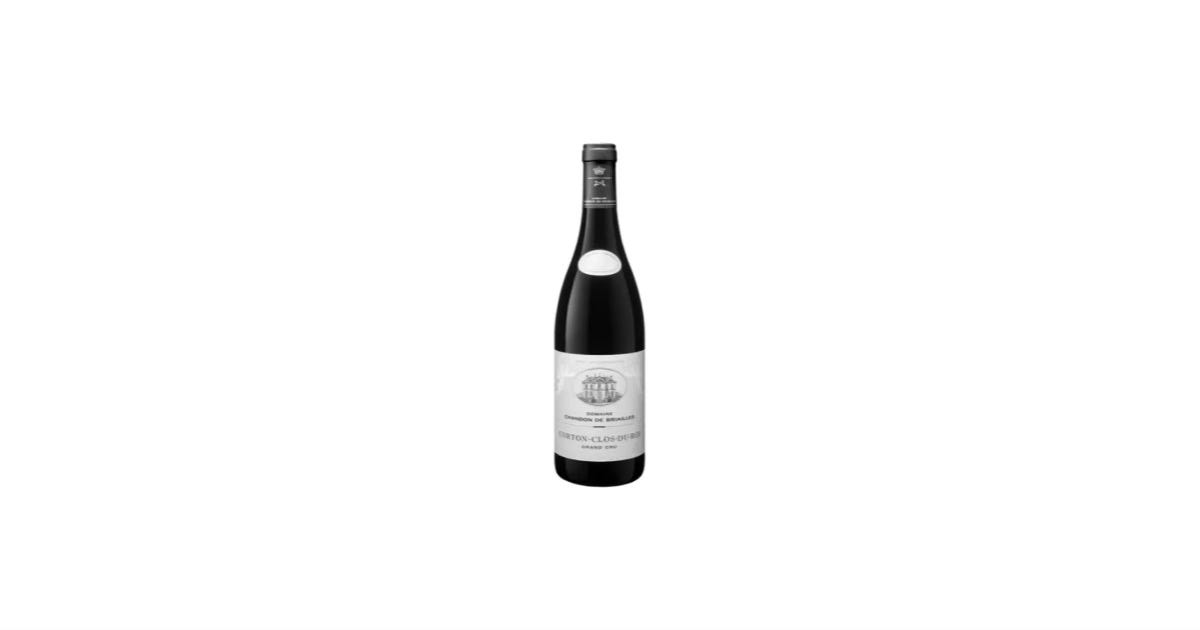
Identity and Historical Position
The Domaine Chandon de Briailles Corton Clos du Roi Grand Cru occupies a singular position within Burgundy’s hierarchy of great red wines. Produced on the hill of Corton in the Côte de Beaune, it originates from the only Grand Cru appellation in the Côte d’Or authorized to produce red wines alongside whites. Within this already exceptional context, Clos du Roi has long been regarded as one of Corton’s most distinguished climats, revered not for flamboyance, but for authority, depth, and historical gravitas.
The name Clos du Roi, literally “the King’s enclosure,” is not symbolic flourish but historical fact. The vineyard once formed part of the holdings of the Dukes of Burgundy and entered the royal domain in 1477, when Louis XI seized Burgundy following the death of Duke Charles the Bold. From that moment, Clos du Roi belonged to the French crown, a status that cemented its prestige and contributed decisively to its reputation as one of Corton’s crown jewels. This lineage distinguishes Clos du Roi from many other Grand Cru vineyards whose renown evolved primarily through commerce rather than sovereign patronage.
Its exalted standing is confirmed by early viticultural scholarship. In 1855, Dr. Jules Lavalle, author of Histoire et Statistique de la Vigne et des Grands Vins de la Côte-d’Or, classified Clos du Roi—alongside neighboring Les Renardes—as hors ligne, a designation reserved for vineyards producing wines of “perfect” expression. Lavalle noted that Clos du Roi was planted exclusively to Pinot Noir, unlike lower slopes where white varieties were often interplanted, and that its vines yielded as little as approximately 13 hectoliters per hectare. He praised its wines for their firm structure, depth, and exceptional longevity, explicitly comparing the finest Cortons—Clos du Roi foremost among them—to Chambertin for tannic strength and aging potential of 30 to 40 years or more. In doing so, Lavalle positioned Clos du Roi as a benchmark for serious, long-lived Burgundy as early as the mid-19th century.
The custodianship of this historic climat by Domaine Chandon de Briailles adds another layer of continuity. The domaine was founded in 1834 and has remained in the de Nicolay family ever since. The family’s name carries aristocratic resonance, and the “Chandon” component reflects lineage ties to the Champagne house behind Moët & Chandon, though the Burgundy estate has always remained independent. Over successive generations, the family assembled a coherent patrimony of vineyards in Savigny-lès-Beaune, Pernand-Vergelesses, and Corton, guided by a long-term vision rather than commercial opportunism.
A defining moment in the domaine’s history came in the late 19th century, when the great-great-grandmother of the current generation made a decisive and audacious choice: she sold approximately 300 hectares of distant farmland in order to acquire roughly four hectares on the hill of Corton, including parcels in Clos du Roi. This exchange—vast acreage for a comparatively tiny surface—speaks volumes about how Corton terroir was valued even then. It was a bet on permanence, quality, and symbolic capital rather than immediate yield or scale.
Throughout much of the 20th century, Corton Clos du Roi from Domaine Chandon de Briailles enjoyed a quiet but steadfast reputation among Burgundy insiders. While the appellation as a whole was often overshadowed by the marquee reds of the Côte de Nuits, knowledgeable collectors recognized the wine’s authenticity and seriousness. The style during this period was resolutely classical: structured, sometimes austere in youth, and built explicitly for patience. These were wines that demanded time, reflecting both the inherent character of Clos du Roi and the domaine’s refusal to soften its edges through fashionable techniques.
A pivotal transformation began in the late 20th century. Under the stewardship of Nadine de Nicolay, and from 1988 onward her daughter Claude de Nicolay, the estate emerged as a pioneer of natural viticulture in Burgundy. Chemical treatments were abandoned in the early 1980s, full organic certification was achieved in 1998, and biodynamic practices were formally certified in 2012. These changes were not cosmetic but philosophical, aimed at restoring soil vitality and allowing the vineyards to express themselves without distortion.
In the early 2000s, Claude de Nicolay and her brother François refined the domaine’s traditional approach without compromising its integrity. Whole-cluster fermentation was moderated according to vintage conditions, pressing methods were modernized to improve finesse, and the heavy use of new oak—once fashionable—was decisively rejected. These evolutions led to greater consistency and polish while preserving the wine’s essential identity. The results attracted renewed critical attention, earning praise from publications such as The Wine Advocate and The New York Times, which highlighted the wines’ purity, transparency, and aging potential.
Despite this recognition, Clos du Roi has remained a connoisseur’s Grand Cru rather than a cult phenomenon. It has never chased speculative hype or astronomical auction prices. Instead, it occupies a quieter, more enduring position as a reference point for what Corton can achieve at its best. In great vintages, it has consistently demonstrated the ability to rival more famous Grand Crus in complexity and longevity, even if it lacks the instant name recognition of Chambertin or Romanée-Conti.
Recent developments have begun to shift broader perceptions of Corton itself. Over the past two decades, leading domaines such as Domaine de Montille, Méo-Camuzet, and most notably Domaine de la Romanée-Conti have acquired parcels on the hill of Corton, including in Clos du Roi. DRC’s first Corton release in 2009—incorporating Clos du Roi fruit—cast a powerful halo over the appellation, drawing renewed attention to its historic climats. In this evolving landscape, Chandon de Briailles’s Clos du Roi stands not only as a monument to the past, but as a contemporary standard-bearer for Corton’s renaissance.
Within the broader narrative of French fine wine, this bottling encapsulates Burgundy’s essence: an ancient vineyard shaped by history, tended by the same family for generations, and vinified with restraint in service of place rather than effect. It is a wine that unites heritage, resilience, and fidelity to terroir. As such, Domaine Chandon de Briailles Corton Clos du Roi exists simultaneously as historical document and living tradition—an enduring Grand Cru that bridges Burgundy’s royal past and its quietly confident present.
Vineyard & Terroir
The vineyard of Clos du Roi occupies a commanding position on the upper slopes of the Hill of Corton, one of Burgundy’s most geologically complex and historically significant sites. Domaine Chandon de Briailles’s holdings lie at approximately 300 meters above sea level, close to the apex of Pinot Noir’s optimal growing zone on Corton. This altitude places the vineyard firmly among the most privileged red-wine sites of the Côte de Beaune.
The domaine’s total surface area in Clos du Roi amounts to precisely 0.4465 hectares, divided into two contiguous parcels. The principal parcel, measuring 0.3505 hectares, was planted in 1961 and today forms the backbone of the cuvée. These vines are now more than sixty years old, qualifying unequivocally as vieilles vignes. Their age confers deep root systems, natural yield moderation, and a heightened ability to translate soil nuance into fruit. The second parcel, a smaller adjacent strip of 0.096 hectares, was replanted in 2018 and contributes younger vine material that will gradually integrate into the wine over time. Despite this mixed age profile, production remains overwhelmingly dominated by the old vines of the early 1960s.
Yields from these venerable Pinot Noir vines are naturally low. In normal years, they typically range between 20 and 25 hectoliters per hectare, well below the Grand Cru regulatory maximum of 35 hl/ha. This low productivity is not forced but inherent, arising from vine age, poor soils, and slope exposure. Such yields contribute directly to the wine’s concentration, structural density, and capacity for long aging.
Geologically, Clos du Roi sits on a prized band of soil composed primarily of stony marl—a mixture of clay and limestone—with a notably high proportion of active limestone and only a thin topsoil layer. The terrain is steep and strewn with small limestone fragments, producing soils that are both well-draining and nutrient-poor. Descriptions of the site consistently emphasize calcareous, slightly sandy marl, conditions that limit vine vigor and compel roots to penetrate deeply into the fractured limestone substratum in search of water and minerals.
These demanding conditions impose a beneficial stress on the vines. Limited soil depth and rapid drainage reduce berry size and concentrate phenolic compounds, intensifying tannin structure and aromatic expression in the grapes. The result is fruit with thick skins, firm acidity, and a pronounced mineral imprint—hallmarks of Clos du Roi’s identity.
Exposure is another defining factor. The vineyard faces predominantly east to southeast, ensuring generous morning and midday sunlight while avoiding the most intense heat of the late afternoon. This orientation allows for steady, even ripening and mitigates the risk of overexposure in hot vintages. Positioned high on the slope, the vines sit above valley fogs that can linger lower down, while benefiting from consistent hillside airflow that reduces disease pressure.
François de Nicolay has noted that Clos du Roi is a late-ripening site. It is never the first parcel harvested at the domaine; picking here generally follows the lower Corton climats. The combination of altitude, slope, and exposure extends the growing season, promoting slow phenolic development and preserving acidity. In warm years, this delay is an advantage, preventing overripeness and preserving finesse. In cooler years, however, it demands meticulous vineyard work to achieve full maturity, explaining why historically Clos du Roi could produce stern, tightly wound wines in marginal vintages.
Drainage on the steep slope is exceptional. Rainwater rapidly percolates through the rocky marl, preventing waterlogging even in heavy storms—a crucial advantage in Burgundy’s increasingly erratic climate. Conversely, the thin soils retain little moisture during droughts. In extreme heat years such as 2003 or 2022, vine resilience is tested. Yet the old vines’ deep roots mitigate stress by accessing water reserves far below the surface. In 2022, despite prolonged heat and dryness, the domaine reported that the Clos du Roi vines adapted remarkably well, delivering fruit of excellent balance—an outcome attributed directly to vine age and long-term adaptation to the site.
Historically and presently, Clos du Roi has been planted exclusively to Pinot Noir. While other sections of Corton once permitted interplanting with white varieties such as Pinot Blanc or Pinot Gris, Clos du Roi has always been devoted solely to red wine production. This continuity underscores the climat’s natural aptitude for Pinot Noir, which here achieves both power and refinement.
The domaine characterizes Clos du Roi as producing “a wine of great mineral finesse, which develops floral aromas.” This observation aligns with consistent tasting impressions: alongside deep dark fruit and savory notes, mature examples often reveal floral nuances such as violet or peony, layered over an earthy, limestone-driven core.
Viticulture is inseparable from terroir expression at Chandon de Briailles. The estate has been farmed organically since 1998 and biodynamically since 2005, with certification achieved in 2012. Synthetic herbicides, pesticides, and fertilizers have been excluded since the early 1980s. Cover crops are encouraged, and natural composts are applied to sustain microbial life and soil structure.
In Clos du Roi, mechanical intervention is minimized to an unusual degree. Tractors are excluded entirely from the vine rows to avoid soil compaction. Instead, the domaine employs four Comtois horses to plow and aerate the soil by hand. Even spraying treatments are applied using lightweight caterpillar-tracked vehicles rather than conventional tractors, reducing pressure on the fragile soils. This approach preserves porosity, allowing roots to explore the soil freely and interact with its full mineral complexity.
The de Nicolay family has also been notably innovative within the framework of sustainable viticulture. They were the first in Burgundy to experiment with milk sprays as a treatment against oidium (powdery mildew), offering an alternative to copper sulfate and reducing heavy metal accumulation in the soil. This practice has since gained acceptance in organic viticulture.
Since 2014, the domaine has also modified vine training methods in response to climate warming. Vines are trained slightly higher than traditional Burgundy norms, with longer canes retained to increase canopy surface area. This provides greater shade for grape clusters and enhances photosynthetic capacity, helping to prevent sunburn and preserve acidity in hot years. These adjustments reflect a vine-by-vine philosophy; as François de Nicolay has remarked, “every vine is touched.”
The result of these practices is a vineyard of exceptional health and resilience. Clos du Roi shows both consistency and sensitivity: it reliably expresses its structural identity while remaining responsive to vintage variation. In very sunny, dry years such as 2009 or 2018, vine stress on the slope leads to thick-skinned berries, elevated potential alcohol, and formidable tannin—yielding powerful, sometimes massive wines in youth. In cooler or wetter years such as 2013 or 2021, the site can produce more restrained, acidic, and occasionally rustic wines, reflecting its need for sufficient warmth to reach full expression.
Spring frost and hail remain perennial risks. In 2016, a severe late frost dramatically reduced yields across the Côte de Beaune. Although the old vines of Clos du Roi survived, production was severely curtailed. Yet the small crop that year contributed to extraordinary concentration, resulting in one of the domaine’s most acclaimed modern vintages.
Ultimately, Clos du Roi’s terroir—old vines rooted in limestone-rich marl on a steep, elevated slope—defines its voice. Biodynamic farming allows that voice to be transmitted with clarity rather than distortion. Vintage conditions may color each expression, but the outline remains unmistakable: a wine of structure, mineral length, and aromatic complexity that speaks clearly of Corton. Firm, regal, and built to endure, Clos du Roi is a site that consistently articulates its place with authority.
Grape Composition & Viticultural Choices
The red wines of Corton Clos du Roi at Domaine Chandon de Briailles are produced exclusively from Pinot Noir, in keeping with both historical practice and modern appellation law. While some Burgundian Grand Cru vineyards once permitted small proportions of white varieties, Clos du Roi has long been planted solely to Pinot Noir, reflecting the climat’s natural affinity for the grape. No blending varieties are used, and the wine’s identity rests entirely on the expression of Pinot Noir grown on this specific slope of Corton.
The vine material in Clos du Roi reflects multiple generations of planting. The principal parcel, planted between 1959 and 1961, predates the widespread adoption of Dijon clones that became common in Burgundy from the 1970s onward. These older vines were therefore propagated through massal selection rather than clonal material. As a result, they likely include traditional Pinot Fin types, known for producing small berries, thick skins, and naturally low yields. This genetic diversity contributes to complexity and resilience in the vineyard, as well as to the wine’s concentration and textural depth.
The younger parcel, replanted in 2018, was established using carefully selected plant material chosen to preserve the domaine’s genetic heritage. While modern clones or estate-selected massal cuttings may have been used, the guiding principle was continuity rather than modernization for its own sake. Vine density across the parcels remains close to the Burgundian norm of approximately 10,000 vines per hectare, and pruning is carried out using Guyot methods (single or double), allowing precise control over vigor and yield.
Yield management is central to Clos du Roi’s expression. The vineyard’s poor, limestone-rich soils and old vines naturally limit production, typically resulting in yields of approximately 20 to 25 hectoliters per hectare in balanced years. This is significantly below the Grand Cru maximum of 35 hl/ha and contributes directly to the wine’s intensity and aging capacity. In more generous vintages, when fruit set threatens to exceed the ideal level, the domaine performs green harvesting to reduce crop load. This intervention is applied judiciously, with the aim of achieving concentration without tipping into excessive tannin or imbalance.
Throughout the growing season, canopy management is performed entirely by hand and adapted dynamically to each vintage. Shoot thinning, leaf removal, and trellising are adjusted according to weather conditions. In damp or disease-prone years, leaves are removed to improve airflow and reduce mildew risk. In hot, sunny years, leaf cover is preserved to protect grape clusters from sunburn and excessive heat. This flexible approach was particularly evident during the contrasting seasons of 2020–2022: minimal defoliation was practiced in the hot, dry years of 2020 and 2022, while in the cool and rain-challenged 2021 season, careful canopy opening and biodynamic sprays were essential to combat mildew.
The domaine’s organic and biodynamic practices play a decisive role in shaping grape composition. Without synthetic fertilizers, vine vigor remains moderate, avoiding excessive berry size or dilution. Instead, the vines produce small, thick-skinned grapes rich in phenolic material. Biodynamic preparations—such as herbal teas of nettle and horsetail, and compost-based soil treatments—are employed to strengthen vine immunity and enhance soil life. These practices aim to foster balanced ripening, encouraging full phenolic maturity without excessive sugar accumulation.
An important aspect of the domaine’s viticultural innovation is its reduction of copper usage. Chandon de Briailles was among the first estates in Burgundy to experiment with milk sprays as a treatment against oidium (powdery mildew), offering an alternative to copper sulfate. By minimizing copper accumulation in the soil, the vines are spared long-term stress, contributing to healthier root systems and more consistent grape quality. François de Nicolay has observed that since adopting these methods, the grapes reach harvest with improved balance between sugar and acidity, and with heightened aromatic clarity.
Harvest timing is another critical decision shaping grape character. The domaine adopts a flexible, vintage-sensitive approach rather than adhering to fixed picking dates. In warm years, harvest is deliberately early to preserve freshness and prevent overripeness; in cooler years, picking is delayed until phenolic maturity is achieved, even if sugar levels remain moderate. For example, in the hot 2020 vintage, harvest began as early as August 17, conducted only in the mornings to keep grapes cool. Yields that year were modest, at approximately 28 hl/ha, reflecting both concentration and the effects of drought. In contrast, in cooler years such as 2013 or 2021, the domaine waited longer to ensure that tannins and flavors matured fully.
Harvesting is always done by hand, using small baskets to preserve the integrity of the grape clusters. This practice is essential given the domaine’s frequent use of whole-cluster fermentation, which begins with decisions made in the vineyard. Historically, Chandon de Briailles fermented nearly all its red wines with 100% whole clusters, retaining stems to contribute structure and aromatic complexity. Since 2011, however, the approach has become more nuanced.
The proportion of whole clusters used now varies according to stem ripeness and vintage conditions. In very ripe years such as 2009, a high percentage of whole clusters is retained, sometimes approaching 100%, as the stems are fully lignified and contribute positively to structure and complexity. In cooler or less ripe years such as 2008 or 2011, the domaine destems a greater proportion of the fruit, sometimes reducing whole-cluster inclusion to 20–30%, to avoid harsh or green tannins. In ideal years, when stems are perfectly mature, Clos du Roi may still be vinified entirely with whole bunches. This adaptability allows the domaine to balance concentration, freshness, and tannic finesse without compromising the vineyard’s inherent character.
Old vines also play a stabilizing role in grape composition. Their deep root systems help regulate sugar accumulation and preserve acidity, even in hot vintages. This self-regulation is particularly valuable in the context of climate change, as it allows Clos du Roi to retain balance in years of extreme heat. The domaine notes that biodynamic farming further enhances this equilibrium, resulting in grapes that arrive at the winery with moderate potential alcohol—often around 13%—vibrant natural acidity, and fully ripe skins.
Taken together, these viticultural choices—from massal selection and low yields to adaptive canopy management and flexible harvest decisions—ensure that the grapes entering the cellar possess the structural and aromatic foundations necessary for a long-lived Grand Cru. Each cluster reflects not only the vintage conditions, but also the accumulated wisdom of generations of careful stewardship. In Clos du Roi, grape composition is not engineered but guided, allowing Pinot Noir to articulate the full nobility of this historic Corton climat.
Vinification & Élevage
The vinification of Corton Clos du Roi at Domaine Chandon de Briailles is rooted in a rigorously traditional philosophy, refined over time through carefully chosen technical improvements. The objective is not to sculpt the wine through intervention, but to accompany the fruit from vineyard to bottle with the lightest possible hand, allowing the character of the climat to assert itself naturally.
Harvested grapes arrive at the winery entirely by hand, picked into small baskets to preserve the integrity of the bunches. Sorting is conducted meticulously, though the need for aggressive triage is usually minimal thanks to the estate’s strict viticultural practices. In healthy vintages such as 2022, the fruit was reported to be so clean that sorting was almost perfunctory. Any damaged, underripe, or compromised berries are removed, as the domaine does not rely on corrective winemaking techniques to compensate for flaws. Chaptalization is never practiced.
Fermentation is carried out using indigenous yeasts exclusively. No commercial yeasts are introduced at any stage, and the fermentations are allowed to begin naturally. For Clos du Roi, vinification takes place in open-top, truncated cone–shaped wooden vats (cuves tronconiques), a format chosen for its ability to facilitate gentle extraction and effective cap management. These vats allow the cap to be submerged with precision while limiting excessive mechanical force.
A defining feature of the domaine’s approach is the near-total absence of sulfur during vinification. No sulfur dioxide is added at crushing or during alcoholic fermentation. This choice, which carries inherent risk, is made possible by extremely healthy fruit and scrupulous cellar hygiene. The absence of sulfur at this stage promotes aromatic purity and a more transparent fermentation profile, though it demands constant vigilance.
The proportion of whole clusters used in fermentation varies by vintage, as outlined in the vineyard section, but the domaine’s default preference remains whole-bunch vinification. In ideal years, the entire harvest is fermented intact, stems included. Exceptions occur in years affected by hail or frost, when damaged stems or fragmented bunches necessitate partial destemming. Whole-cluster fermentation contributes both aromatic lift—often expressed as spice, floral notes, or herbal nuance—and structural tannin, reinforcing the naturally firm architecture of Clos du Roi.
Given the vineyard’s inherent tannic power, extraction is handled with exceptional restraint. Punchdowns (piégeage) and pumpovers (remontage) are performed sparingly and adapted to the character of the vintage. The winery operates on a gravity-flow principle, explicitly avoiding pumps for moving fermenting must. Gravity transfer minimizes physical stress on the wine and preserves finesse in the tannic structure. Fermentation temperatures are allowed to rise sufficiently to extract color and phenolics, but without reaching extremes that would harden tannins or mute aromatics. Maceration typically lasts around two weeks, though the exact duration is adjusted according to the year.
A significant technical evolution occurred in 2015 with the introduction of a modern vertical basket press. Prior to this, pressing was carried out using more conventional equipment. The new press allows for exceptionally gentle extraction, yielding press wine with finer particulate matter and markedly softer tannins. The domaine observed that solids separated more cleanly and that the resulting tannic profile was less coarse. This change did not alter the fundamental structure of Clos du Roi, but it refined its texture, particularly in youth, reducing the rustic edge that could occasionally appear in earlier decades.
Following pressing, the wine is transferred by gravity into the estate’s ancient cellars, whose origins date back to the 12th century. These deep, naturally cool spaces provide stable conditions for élevage. The wine is aged in French oak barrels, with an oak regime that is deliberately restrained. For Clos du Roi, new oak typically represents only 10 to 20 percent of the total barrel complement. The remaining barrels are second-use or older, often described by the domaine as “barrels containing several wines.”
This approach ensures that oak functions as a structural and oxidative framework rather than a flavoring agent. Toast, vanilla, or charred notes are never dominant. Instead, the minimal proportion of new oak provides gentle oxygen exchange and supports tannin integration without obscuring site-derived aromas. Barrel sourcing is traditional, with medium to light toasts preferred to avoid aromatic imprint.
Élevage generally lasts between 15 and 18 months, depending on the strength and balance of the vintage. The wines are never rushed to bottle. Malolactic fermentation occurs spontaneously in barrel, often completing during the spring following harvest. The cellar’s cool conditions encourage a slow malolactic process, which contributes to aromatic complexity and textural harmony.
Throughout élevage, intervention is kept to a minimum. Racking is avoided unless strictly necessary, and the wines are neither fined nor filtered. Bottling is carried out directly from barrel, preserving the full colloidal and textural integrity of the wine. As a result, mature bottles frequently throw a natural sediment, a characteristic accepted—and expected—by serious collectors.
Sulfur usage remains extremely low throughout élevage. While no sulfur is added during fermentation, a modest dose may be applied after malolactic fermentation to protect the wine during aging. Even at bottling, sulfur additions are minimal, resulting in total sulfur levels far below the norm for long-lived red wines. The domaine has even experimented with completely sulfur-free bottlings over extended periods, confirming the stability of their wines under carefully controlled conditions. For Clos du Roi, a small protective addition at bottling is generally employed to safeguard the wine’s capacity for extended aging.
Bottling typically takes place approximately one and a half years after harvest, often in the spring of the second year following the vintage. The process is gravity-fed and conducted without filtration, meaning that the wine may appear slightly opaque in youth and will develop sediment over time. These are conscious choices in service of longevity and authenticity rather than cosmetic clarity.
The cumulative effect of these decisions is a wine that privileges structure, balance, and terroir expression over immediacy. Gentle extraction, whole-cluster fermentation, restrained oak, and minimal sulfur converge to produce a Clos du Roi that can seem reserved or even austere in its youth. Yet this apparent restraint conceals formidable depth and aging potential. Over time, the wine’s architecture reveals itself as a strength, allowing complexity to emerge without distortion.
In an era when many producers pursued heavy extraction and generous new oak—particularly during the 1990s and early 2000s—this domaine maintained a classical course. The subsequent refinement of technique, notably through improved pressing and adaptive stem usage, has enhanced finesse without altering identity. Vinification and élevage here function not as tools of transformation, but as a conduit through which the voice of Clos du Roi is allowed to speak with clarity and authority.
Complete Vintage-by-Vintage Analysis
1960s–1970s
Tracing the full vintage history of Domaine Chandon de Briailles Corton Clos du Roi Grand Cru reveals not only the evolution of a wine, but the unfolding dialogue between site, season, and stewardship. From the first post-replanting vintages of the early 1960s onward, Clos du Roi has served as a faithful register of Burgundy’s climatic fortunes, responding with honesty rather than artifice.
The 1960s — The First Modern Expressions
Following the replanting of the principal Clos du Roi parcel between 1959 and 1961, the domaine’s modern-era wines began to emerge in the early 1960s.
1961 stands among Burgundy’s legendary vintages. A warm, generous growing season produced wines of exceptional concentration and longevity. Any Clos du Roi produced that year would have come from very young vines and in extremely limited quantity, yet it would have been rich, structured, and built for long aging. Properly cellared bottles would today be museum pieces, with the density and power characteristic of the year.
1962 followed as a cooler but surprisingly balanced vintage. Initially underestimated, many 1962 Burgundies have outlived expectations. A 1962 Clos du Roi would have been more elegant and less massive than 1961, but with sufficient acidity and structure to age gracefully. Such a wine, if still extant, would now display fully tertiary character.
1963 was cold and rainy, producing thin, tart wines across Burgundy. Any Clos du Roi from this year would have been light-bodied and intended for early consumption, with little aging potential.
1964 marked a return to warmth and larger yields. Wines were robust and hearty, though often rustic. A 1964 Clos du Roi would have shown firm tannins and solid structure but likely entered decline decades ago.
1965 was another poor year, cold and wet, yielding green and dilute wines. Clos du Roi from this vintage would have lacked the material to age meaningfully.
1966 delivered a long, classical growing season. Wines were structured and slow to mature, marked by firm tannins and depth. A 1966 Clos du Roi would have been stern in youth but capable of rewarding extended aging, potentially remaining vigorous well into old age if stored impeccably.
1967 was moderate, producing pleasant but lighter wines suited to earlier drinking.
1968 ranks among Burgundy’s weakest post-war vintages, plagued by cold and rot. Any Clos du Roi produced would likely have been declassified or long since undrinkable.
1969 closed the decade on a high note. A ripe year particularly favorable to Côte de Beaune reds, it yielded wines with generous fruit and softer acidity. A 1969 Clos du Roi would have been lush and expressive, perhaps more immediately charming than typical for the site. Well-kept examples might still offer pleasure today, though likely beyond peak.
The 1960s thus established a pattern that would persist: in great years, Clos du Roi produced profound, ageworthy wines even from young vines; in poor years, it revealed the limits of the vintage without embellishment.
The 1970s — Extremes and Emergence
The 1970s were marked by dramatic swings in weather, and Clos du Roi mirrored this volatility.
1970 was decent but unremarkable, with better results in whites. Any red Clos du Roi would have been light to medium-bodied and fully faded by now.
1971 was superb, one of the era’s finest red Burgundy vintages. A 1971 Clos du Roi would have been rich, balanced, and long-lived, peaking in the 1990s but capable of offering pleasure well into the 21st century.
1972 and 1973 were consecutive weak years. Wines were thin, tart, or diluted and generally short-lived. Clos du Roi from these vintages would have been simple and best consumed within a decade.
1974 was severely compromised by rot. Many domaines chose not to bottle Grand Cru wines. If Chandon de Briailles produced Clos du Roi at all, it would have been very light.
1975 produced famously hard, tannic wines. On Corton’s slope, tannins were especially severe. A 1975 Clos du Roi would have been imposing but dry and may never have fully resolved; surviving bottles today would be austere and more academic than pleasurable.
1976 was hot and dry, yielding robust, high-alcohol wines with lower acidity. Corton reds were initially opulent but often aged poorly. A 1976 Clos du Roi would likely now show cooked fruit and fatigue.
1977 was a near-total disaster, dominated by rain and rot. Any Clos du Roi produced would have been pale, green, and long past its drinkable window.
1978 stands as one of Burgundy’s great modern vintages. Wines were deeply colored, intensely structured, and built for extraordinary longevity. A 1978 Clos du Roi would have been monumental—dense, tannic, and slow to evolve. Even today, a perfectly stored bottle could remain vibrant, offering complex aromas of dark fruit, game, and forest floor.
1979 followed closely in quality, though with slightly more immediate charm. Corton reds in 1979 were praised for balance and backbone. A 1979 Clos du Roi would have matured earlier than 1978 but could still age 40 years or more, delivering graceful tertiary complexity.
By the end of the 1970s, Clos du Roi had demonstrated both its vulnerability to Burgundy’s harshest seasons and its capacity for greatness in exceptional years. The wines of 1971, 1978, and 1979, in particular, reinforced the vineyard’s status as one of Corton’s most serious and enduring expressions.
The 1980s
The 1980s marked a gradual rebuilding of consistency in Burgundy after the volatility of the 1970s. For Domaine Chandon de Briailles Corton Clos du Roi, the decade began modestly but culminated in a series of vintages that reaffirmed the wine’s classical stature and aging credentials.
1980 was cool and damp, producing light-bodied, high-acid wines across Burgundy. A Clos du Roi from this year would have been modest in concentration and intended for early consumption, likely past its peak by the 1990s.
1981 followed in a similarly lean vein, with dilute wines lacking depth. Any 1981 Clos du Roi would now be well beyond its optimal drinking window.
1982 brought warmer conditions and larger yields. The wines were fleshy and approachable but lacked the structural backbone for very long aging. A 1982 Clos du Roi would have been enjoyable in its first two decades, offering soft fruit and gentle tannins, but unlikely to retain vitality beyond that.
1983 was marked by warmth tempered by harvest-time rot. Producers who sorted rigorously could make dense, earthy wines with a slightly rustic edge. A Clos du Roi from 1983 would have been robust and savory, potentially capable of extended aging, though bottle variation would be significant. Well-stored examples might still offer interest today, albeit fully tertiary.
1984 was one of Burgundy’s weakest vintages. Wines were thin, acidic, and short-lived. If Clos du Roi was bottled at all, it would have lacked the structure to age meaningfully.
1985 stands as one of the great Burgundy vintages of the late 20th century. Conditions were ideal, yielding wines of ripe fruit, aromatic generosity, and velvety structure. A 1985 Clos du Roi would have been notably expressive in youth and has aged with remarkable grace. At 30 years or more, it would show truffle, sous-bois, and spice while retaining a core of fruit. This vintage remains a benchmark for the domaine.
1986 returned to a cooler profile, producing hard, tannic wines reminiscent of 1975. A 1986 Clos du Roi would have been dense but austere, likely never achieving the harmony of 1985.
1987 was plagued by rain and dilution. Wines were light and short-lived, and any Clos du Roi from this year would have been consumed early.
1988 was a late, classical vintage with high acidity and firm tannins. Wines were slow to open but rewarded patience. A 1988 Clos du Roi would have been tightly wound for many years before gradually revealing savory complexity and longevity, capable of aging 30–40 years.
1989 was hot and ripe, yielding opulent wines with lower acidity. A 1989 Clos du Roi would have been heady and generous early on, best enjoyed by the 2010s, though some examples may still show appeal.
The decade closed with momentum building toward another great year.
1990, though technically inaugurating the next decade, is often grouped with 1988 and 1989. It was a superb vintage, combining ripeness with balance and abundant ripe tannin. A 1990 Clos du Roi would have been massive in youth and has matured into a powerful, complex wine capable of extended aging. Even at more than three decades old, top examples remain vibrant.
The 1980s confirmed the domaine’s ability to translate vintage conditions faithfully while producing wines of remarkable longevity in great years. Vintages such as 1985, 1988, and 1990 cemented Clos du Roi’s reputation as a serious vin de garde, while weaker years underscored the estate’s refusal to force quality where nature did not provide it.
The 1990s
The 1990s represented a period of refinement and gradual qualitative consolidation for Burgundy as a whole, and for Domaine Chandon de Briailles Corton Clos du Roi in particular. While the decade included its share of difficult seasons, it also produced several vintages that demonstrated how Clos du Roi could combine power with increasing precision, even before the full implementation of organic and biodynamic practices.
1991 was a cool year marked by spring frost and reduced yields. While Musigny achieved rare success, Corton fared more modestly. A 1991 Clos du Roi would have been elegant but light, with elevated acidity and limited depth. It was best consumed by the mid-2000s.
1992 was warm and generous, especially favorable to whites. Red wines tended toward softness and early approachability. A 1992 Clos du Roi would have been supple and forward, lacking the structure for long-term aging and now well past peak.
1993 brought a return to classical Burgundy conditions. Late ripening yielded concentrated, tannic wines with strong acid backbones. Initially underestimated due to their firmness, many 1993 reds have aged impressively. A 1993 Clos du Roi would have been tight and earthy in youth, slowly unfolding over decades. Today, it would be fully mature, offering savory tertiary complexity supported by resolved but still present structure.
1994 was marred by widespread rot. Wines were thin and herbaceous, and many domaines declassified their production. Any 1994 Clos du Roi would have been simple and intended for early consumption.
1995 was hot and produced thick-skinned grapes and tannic wines. Initially monolithic and somewhat rigid, many 1995s have aged into solid, traditional Burgundies. A 1995 Clos du Roi would have been structured and firm, best enjoyed after extended aging, though without the aromatic finesse of the finest years.
1996 was characterized by very high acidity combined with good ripeness. The resulting wines were sharply structured and, in some cases, unbalanced in youth. On Corton’s naturally tannic soils, this produced particularly austere wines. A 1996 Clos du Roi would have been piercingly acidic and severe early on, but patient cellaring could allow it to harmonize into a fresh, vigorous mature wine. Bottle variation remains likely.
1997 was very warm and early, producing soft, low-acid wines intended for near-term pleasure. A 1997 Clos du Roi would have been approachable young but not built to age, with most examples now in decline.
1998 was uneven across Burgundy, with hail affecting parts of the Côte de Nuits while the Côte de Beaune fared somewhat better. Wines tended toward rustic tannins and firmness. A 1998 Clos du Roi could be hearty and meaty, though lacking refinement, and would still show structure well into the 2010s. It is not a top-tier vintage but can offer honest Corton character.
1999 stands as one of the great vintages of the decade and of modern Burgundy. High yields combined with uniformly excellent quality produced wines that were both generous and ageworthy. A 1999 Clos du Roi would be outstanding: layered dark fruit, supple texture, and ample ripe tannins. Now around 25 years old, it should be at or near peak, delivering a harmonious blend of fruit, secondary nuance, and emerging tertiary complexity.
The 1990s highlighted Clos du Roi’s capacity to deliver both longevity and pleasure when conditions aligned, while also revealing the estate’s transparency in weaker years. Vintages such as 1993 and 1999 affirmed the vineyard’s stature, while the decade as a whole showed increasing consistency as viticultural practices continued to evolve.
The 2000s
The first decade of the new millennium coincided with profound change in Burgundy. Climatic variability increased, and Domaine Chandon de Briailles entered this period having completed its conversion to organic farming and moving decisively toward biodynamics. These shifts enhanced vine resilience and sharpened the domaine’s ability to navigate both extremes and triumphs.
2000 was warm with an early harvest. Wines were supple, low in acidity, and designed for early enjoyment. A 2000 Clos du Roi would have been approachable within a few years of release, offering soft fruit and moderate structure. Its optimal drinking window likely closed within 10–15 years.
2001 was cooler and more classical, often described as a lighter analogue to 1993. A 2001 Clos du Roi would have shown good balance and acidity but modest concentration. It would have aged gracefully for a time, offering tertiary nuance in the 2010s, but is likely now fading.
2002 was a very good vintage across Burgundy, marked by balance, purity, and finesse. Corton reds combined ripe fruit with fine acidity. A 2002 Clos du Roi would now be in a particularly attractive phase, displaying red and black fruit, floral accents, and integrated tannins. It lacks the sheer mass of 1999 or 2005 but exemplifies elegance and harmony.
2003 was defined by a historic heatwave. Extreme temperatures led to very high sugar levels and suppressed acidity. Although Corton’s altitude mitigated some effects, wines were still massive and atypical. A 2003 Clos du Roi would have been dense, chewy, and marked by roasted or dried fruit character. Longevity was always limited by low acidity, and remaining bottles should be enjoyed sooner rather than later.
2004 swung to the opposite extreme: cool, damp, and affected by ladybug taint. Wines were leafy and herbaceous. A 2004 Clos du Roi would show pronounced green notes over light fruit and limited charm, reflecting one of the decade’s weakest years.
2005 stands as one of Burgundy’s modern benchmarks. Ideal conditions produced thick-skinned grapes of exceptional balance. A 2005 Clos du Roi would be monumental—deep, structured, and profoundly ageworthy. Initially brooding, it has gradually revealed immense depth and remains on an upward trajectory, capable of aging well beyond 30 years.
2006 was solid but unremarkable. Wines were correct and balanced but lacked the intensity of neighboring years. A 2006 Clos du Roi would be fully mature now, offering classic structure but limited complexity.
2007 was cool and rainy, redeemed somewhat by late-season sunshine. Wines were aromatic and light-bodied. A 2007 Clos du Roi would have been charming early but not built for long aging and is now likely past its peak.
2008 produced high-acid, tightly structured wines reminiscent of 1996 or 1988. A 2008 Clos du Roi would have been austere in youth, demanding patience. At 15+ years, it may show floral and mineral nuance, but remains brisk and linear, appealing to lovers of high-acid, old-school Burgundy.
2009 was very ripe and generous, often compared to 1990. Low acidity and plush fruit defined the year. A 2009 Clos du Roi would be lush and open-knit, with velvety texture and dark fruit. Best enjoyed in its first two decades, it remains attractive now but should not be held indefinitely.
2010, while inaugurating the next decade, forms a natural conclusion to the era. Combining ripe fruit with vibrant acidity, it produced wines of exceptional balance. A 2010 Clos du Roi would be deep yet fresh, structured yet elegant, and poised for long aging. Now entering a prime window, it promises continued evolution over many years.
The 2000s confirmed the domaine’s ability to produce wines of integrity across a widening climatic spectrum. Great years such as 2002, 2005, and 2010 stand among the finest in Clos du Roi’s history, while difficult vintages illustrate the estate’s commitment to honesty and terroir expression rather than cosmetic correction.
The 2010s and Early 2020s
The 2010s ushered in a new climatic era for Burgundy, defined by increasingly frequent extremes: severe frosts, heatwaves, droughts, and compressed harvest windows. For Domaine Chandon de Briailles Corton Clos du Roi, this decade became a proving ground for the resilience of old vines, biodynamic farming, and a restrained, adaptive winemaking philosophy.
2011 was an early and uneven vintage. A hot spring accelerated the cycle, followed by a cooler summer that introduced rot pressure. The resulting wines were lighter and occasionally marked by herbal notes. A 2011 Clos du Roi expressed the climat’s hallmark sauvage character—wild, earthy aromas—but in a leaner frame. It was not intended for long aging and has largely reached or passed its peak.
2012 was defined by very low yields due to poor flowering and localized hail. Despite these challenges, the surviving fruit ripened well, producing concentrated wines with firm structure. A 2012 Clos du Roi is dense and tannic, requiring time to soften. At just over a decade old, it offers depth and power but continues to benefit from further cellaring.
2013 was cool and late, with uneven flowering and rot at harvest. Wines are high in acidity and lighter in body. A 2013 Clos du Roi is austere and sharply defined, emphasizing mineral and savory notes over fruit generosity. It remains among the more angular expressions of the decade.
2014 brought welcome balance. A cooler summer followed by a dry, luminous autumn yielded wines of aromatic purity and classical proportion. A 2014 Clos du Roi displays vivid red fruit, floral lift, and energetic acidity. It drinks well in its first decade while retaining the structure to age gracefully.
2015 was a warm, dry, and outstanding vintage. Fruit health was exceptional, and phenolic ripeness easily achieved. A 2015 Clos du Roi is richly textured, dark-fruited, and powerfully structured, yet remarkably polished. Now approaching its tenth year, it remains youthful and firmly in its ascent, with long-term aging potential extending well beyond 2035.
2016 stands as one of the domaine’s modern triumphs. Severe spring frost devastated much of the Côte de Beaune, sharply reducing yields. However, a fine summer and timely late-season rain produced grapes of extraordinary quality. The resulting Clos du Roi earned widespread critical acclaim, with scores around 95 points from leading critics. It is concentrated yet elegant, combining ripe fruit, fresh acidity, and refined tannins. This is a reference-point vintage with the capacity to age for decades.
2017 offered relief from consecutive tiny harvests. Warm, even conditions produced generous yields and wines of charm and balance rather than brute force. A 2017 Clos du Roi is approachable earlier than most Grand Crus, emphasizing red fruit and mineral clarity. While not a long-haul vintage, it offers classic Corton character and will reward medium-term cellaring.
2018 marked the onset of a sequence of very hot years. High yields and full ripeness produced opulent wines with plush textures. A 2018 Clos du Roi is generous and expressive, with dark berry fruit, exotic spice, and sweet soil tones. While capable of aging, it is particularly appealing in its youth for its richness.
2019 combined warmth with lower yields and better balance. Wines are powerful yet precise, with greater acidity and definition than 2018. A 2019 Clos du Roi shows black and blue fruits, herbal nuance, and substantial ripe tannins. It is built for extended aging and remains firmly in its youth.
2020 was extremely warm and dry, yet paradoxically preserved acidity. Harvest began as early as mid-August, with yields around 28 hl/ha. A 2020 Clos du Roi is intensely concentrated yet vibrant, marrying power with freshness. Early reviews have been highly favorable, and the wine promises a long, distinguished evolution.
2021 was a return to adversity. Severe April frost and a wet growing season resulted in minuscule yields and modest ripeness. The resulting wines are defined by freshness, elegance, and delicacy. A 2021 Clos du Roi is lighter in body, aromatic, and silky in texture—best enjoyed relatively young.
2022 mirrored 2018 in heat and drought but with improved vine adaptation. Despite extreme conditions, the vines delivered abundant, healthy fruit. A 2022 Clos du Roi is rich, generous, and complex, with fine structure beneath its opulence. It combines early appeal with the concentration necessary for aging.
This modern sequence underscores how Clos du Roi functions as a precise climatic barometer. In great years—2015, 2016, 2019, and 2020—it produces wines of exceptional authority and longevity. In challenging years, it speaks honestly, offering elegance or austerity rather than artifice. The improvements in viticulture and cellar practice since the early 2000s have elevated consistency and finesse, particularly in difficult seasons, without diluting the vineyard’s essential character.
Style, Identity & Structural Sensory Profile
Across decades and vintages, Domaine Chandon de Briailles Corton Clos du Roi Grand Cru has developed a stylistic identity that is both immediately recognizable and profoundly consistent. It is a wine defined not by charm or accessibility, but by architecture: structure first, nuance revealed with time. This stylistic coherence is the product of terroir, old vines, and a deliberately classical approach to vinification that prioritizes longevity and authenticity over immediacy.
In youth, Clos du Roi is typically the most reserved and imposing of the domaine’s red wines. Its color is often deep ruby to dark garnet, more intense than the estate’s Savigny-lès-Beaune or Pernand-Vergelesses bottlings. Aromatically, young examples tend toward the darker end of the Pinot Noir spectrum: black cherry, blackberry, and dark plum dominate, accompanied by notes of black tea, iron, and roasted game. A distinctive sauvage character frequently appears early—earthy, feral, sometimes evoking underbrush or wild herbs—signaling the wine’s origin on Corton’s limestone-rich upper slopes.
Floral nuances are an integral but often secondary component. With air, and especially with age, Clos du Roi develops lifted notes of violet and peony, adding aromatic finesse to its otherwise serious profile. Beneath the fruit and florality lies a pronounced mineral core, often described as stony or chalky, reflecting the vineyard’s high limestone content. This mineral impression contributes to the wine’s length and structural tension rather than overt flavor.
Texturally, Clos du Roi is unmistakably tannic in its youth. The tannins are abundant and assertive, a characteristic noted as early as the 19th century by Jules Lavalle, who compared the site’s structure to that of Chambertin. Chandon de Briailles’s frequent use of whole-cluster fermentation reinforces this firmness, adding a fine-grained, slightly angular texture that can feel austere when the wine is young. Acidity is generally medium-plus, higher in cooler vintages and more moderate in warm years, but always sufficient to provide balance and lift.
The palate impression in early life is one of density and compression. There is a palpable sense that much of the wine’s material is held in reserve, bound by tannin and acidity. Oak influence is deliberately understated; vanilla, toast, or sweet spice are rarely dominant, allowing the structural elements to remain unmasked. As a result, Clos du Roi can appear severe or uncompromising when tasted too early, particularly for drinkers accustomed to plusher, oak-forward Burgundies.
With time, however, the wine’s identity unfolds with remarkable complexity. Typically after six to eight years, the bouquet begins to open, and by ten to fifteen years in strong vintages, tertiary aromas take on increasing prominence. These include truffle, forest floor, dried leaves, leather, and occasionally smoked meat. The sauvage notes integrate into a more refined earthy expression, while the floral elements become more pronounced and haunting.
On the palate, aging transforms the tannic architecture. What was once rigid becomes supple, the tannins polymerizing into a silky, enveloping texture that supports rather than dominates the fruit. Importantly, the best vintages retain a core of sweet, resolved fruit even at advanced age—often surprising tasters with flashes of blackcurrant or kirsch amidst the expected tertiary complexity. Acidity remains a vital component, particularly in structurally endowed years such as 1996, 2010, or 2016, ensuring freshness and length deep into maturity.
Within the context of Corton’s red climats, Clos du Roi occupies a distinctive stylistic position. Domaine Chandon de Briailles itself often describes its three Corton reds in comparative terms: Maréchaudes as silky and feminine, Bressandes as balanced and rounded, and Clos du Roi as the most concentrated and tannic—an “architectural wine” explicitly built for aging. This hierarchy underscores Clos du Roi’s role as the domaine’s most serious and intellectually demanding red.
Compared with other producers’ interpretations of Clos du Roi, the Chandon de Briailles version emphasizes transparency and tensile strength over mass or polish. Some historical examples from other domaines leaned heavily on extraction and new oak, resulting in wines that were massive but slow to reveal terroir. By contrast, Chandon de Briailles’s restrained oak usage and gentle extraction allow the limestone-driven minerality and natural structure of the site to remain legible, even in powerful vintages.
The wine’s balance evolves according to vintage conditions. In warm, generous years such as 2018 or 2019, Clos du Roi can take on a more expansive, almost luxurious character, with ripe dark fruit and a softer initial impression. Even then, the underlying structure prevents excess and preserves definition. In cooler years such as 2013 or 2021, the wine shifts toward tension and austerity, foregrounding acidity, mineral length, and savory nuance. In both cases, the identity remains intact: Clos du Roi never becomes ethereal or delicate in the manner of a Chambolle-Musigny, nor does it aim for immediate seduction.
Ultimately, the stylistic identity of Domaine Chandon de Briailles Corton Clos du Roi is one of noble restraint. It is a wine that asks for patience and rewards attention, evolving from a stern, structured youth into a deeply expressive mature wine of harmony and depth. Its authority lies not in volume or sweetness, but in proportion, texture, and persistence. For those willing to follow its arc over time, Clos du Roi offers one of Burgundy’s most compelling demonstrations of how power and finesse can coexist within a single Grand Cru.
Aging Potential, Market Value & Cultural Significance
Aging Potential and Cellaring
Few wines in Burgundy demonstrate their vocation for longevity as clearly as Domaine Chandon de Briailles Corton Clos du Roi Grand Cru. From its structure and extract to its restrained élevage and low-intervention philosophy, every element of its production is aligned with extended aging. Historically and in modern practice alike, Clos du Roi has proven capable of evolving gracefully for several decades in strong vintages.
In its earliest years—roughly the first one to five after bottling—Clos du Roi is typically compact and reserved. The fruit is present but tightly bound by tannin and acidity, and the wine often benefits from prolonged decanting if opened young. Primary flavors of dark berries, stem-derived spice, and mineral tension dominate, with complexity still largely latent. While drinkable at this stage, the wine’s architecture can overshadow nuance, making early consumption more an exercise in intensity than in harmony.
Between five and fifteen years, the wine enters a developmental phase where balance begins to emerge. Around the seven- to ten-year mark, secondary aromas—dried flowers, undergrowth, leather—start to appear alongside a clearer expression of fruit. Tannins soften gradually, and the mid-palate gains cohesion. This period often represents an attractive window for many vintages, particularly those of moderate structure, where freshness and emerging complexity coexist.
In top vintages, true maturity typically arrives after fifteen to twenty years. At this stage, Clos du Roi reveals the full breadth of its tertiary spectrum: truffle, forest floor, sweet autumn leaves, dried rose petals, and savory nuances such as cured meat or mushroom. The palate becomes supple and layered, with tannins fully integrated into the wine’s fabric. Importantly, great vintages retain a core of fruit even at advanced age, preventing the wine from becoming skeletal. Acidity—especially in structurally endowed years like 1988, 1996, 2010, or 2016—maintains vitality and length deep into maturity.
Historical precedent supports this longevity. Well-stored bottles from vintages such as 1978, 1985, 1990, and 1999 have demonstrated the capacity to age for forty years or more, offering complexity and balance rather than fatigue. Storage conditions are, of course, critical: a cool, stable cellar around 10–13°C, high humidity, minimal light, and no vibration are essential. Given the wine’s unfiltered nature, sediment is common; standing bottles upright prior to service and careful decanting are recommended.
Not every vintage is destined for extreme longevity. Lighter years—such as 2007, 2011, or 2021—are best enjoyed within ten to fifteen years, before fruit fades. Conversely, powerful vintages like 2005, 2010, 2015, 2016, 2019, and 2020 are clear candidates for long-term cellaring and may not reach their full expressive potential until well into their second or third decade.
The domaine’s very low sulfur regime raises questions for some collectors, yet long experience has shown that, when well stored, these wines age cleanly and gracefully. The absence of filtration preserves texture and aromatic nuance, reinforcing the wine’s suitability for extended aging. In short, Clos du Roi is a textbook vin de garde: a wine not merely capable of aging, but fundamentally shaped by it.
Market Value and Investment Perspective
For much of its modern history, Corton Clos du Roi from Domaine Chandon de Briailles occupied a curious position in the market: widely respected by insiders, yet priced far below what its pedigree and quality might suggest. Corton as an appellation long lagged behind the Côte de Nuits in perceived prestige, and this relative undervaluation extended even to its finest climats.
Production at Chandon de Briailles is minute. With just 0.4465 hectares under vine, annual output typically ranges from approximately 1,200 to 1,800 bottles, and significantly fewer in frost-affected years. Despite this scarcity, prices remained modest well into the early 2000s. Bottles that might have sold for the equivalent of €40–50 around the turn of the millennium rose gradually to €60–80 by 2010.
The 2010s marked a turning point. Several forces converged to elevate Clos du Roi’s market profile: rising global demand for Burgundy, increasing recognition of biodynamic producers, strong critical acclaim for vintages such as 2016 and 2020, and renewed attention on Corton following high-profile acquisitions by leading domaines. As top-tier Côte de Nuits wines became prohibitively expensive, informed collectors began to view Clos du Roi as a rare opportunity to acquire Grand Cru Burgundy at comparatively accessible prices.
Retail prices for top recent vintages now commonly fall in the €150–200 range, with occasional higher listings reflecting limited availability rather than consistent market norms. Auction prices for mature vintages have followed a steady upward trajectory, particularly for well-stored examples from strong years such as 1990, 1999, or 2010. Yet even today, Clos du Roi remains significantly less expensive than many Grand Crus of comparable critical standing.
From an investment perspective, the wine has demonstrated steady appreciation rather than speculative volatility. It lacks the instant liquidity and brand-driven frenzy associated with the most famous labels, but this has insulated it from boom-and-bust cycles. Its primary appeal remains to collectors rather than short-term speculators—buyers who value authenticity, scarcity, and long-term performance, and who are often content to drink the wine if resale opportunities do not arise.
Scarcity reinforces this dynamic. Many bottles are consumed rather than traded, limiting the availability of older vintages on the secondary market. As a result, when mature examples do appear, they are often quickly absorbed by knowledgeable buyers. In this sense, Clos du Roi functions as a form of “value investing” in Burgundy: a fundamentally sound asset whose market recognition continues to catch up with intrinsic quality.
Cultural and Gastronomic Significance
Beyond economics and longevity, Corton Clos du Roi holds a distinctive cultural position. Its royal provenance—once owned by the Dukes of Burgundy and later the French crown—anchors it in the historical narrative of the region. Drinking Clos du Roi is, in a literal sense, engaging with a vineyard that once symbolized political power and prestige.
The continuity of stewardship by the de Nicolay family since 1834 reinforces this sense of lineage. In a region where vineyard ownership frequently changes hands, the family’s long-term guardianship embodies Burgundy’s ideal of patrimony: land entrusted across generations rather than exploited for short-term gain. This ethos resonates strongly within French wine culture and among international sommeliers and collectors who value authenticity over marketing.
At the table, Clos du Roi has long been regarded as a profoundly gastronomic wine. Its structure and savory complexity make it a natural partner for rich, protein-driven cuisine. In youth, it excels with braised meats, game in sauce, and dishes featuring mushrooms or truffles—pairings that soften tannins and echo the wine’s earthy core. With age, as tannins resolve and tertiary aromas dominate, it becomes remarkably versatile, pairing beautifully with roast poultry, duck, pigeon, and even pungent Burgundian cheeses such as Époisses.
In fine dining, Clos du Roi often appears on the wine lists of Michelin-starred restaurants and traditional French institutions as the archetypal Côte de Beaune red: powerful yet nuanced, capable of elevating a meal without overshadowing it. Among sommeliers, it is frequently cited as an insider’s reference for mature Burgundy—less ostentatious than certain Côte de Nuits Grand Crus, but often more expressive at the table.
Culturally, Clos du Roi occupies an important role as a reference point rather than a myth. It is not sustained by marketing narratives or cult status, but by consistency, history, and the quiet authority of place. For students of Burgundy, it serves as a living demonstration of how terroir, farming philosophy, and patience converge to produce wines of enduring relevance.
Closing Perspective
Domaine Chandon de Briailles Corton Clos du Roi Grand Cru matters not because it is rare or expensive, but because it is exemplary. It embodies Burgundy’s core values: fidelity to terroir, respect for history, and confidence in time as an ally. As a wine, it rewards patience; as a cultural artifact, it connects centuries of viticulture; as a market presence, it remains grounded in substance rather than speculation.
In an era increasingly defined by immediacy and hype, Clos du Roi stands apart—firm, composed, and quietly regal. It does not ask for attention. It earns it, over decades, one bottle at a time.