
Dom Pérignon 1961 Magnum and the Limits of Rarity
Why a champagne made for a royal wedding failed to find a buyer.
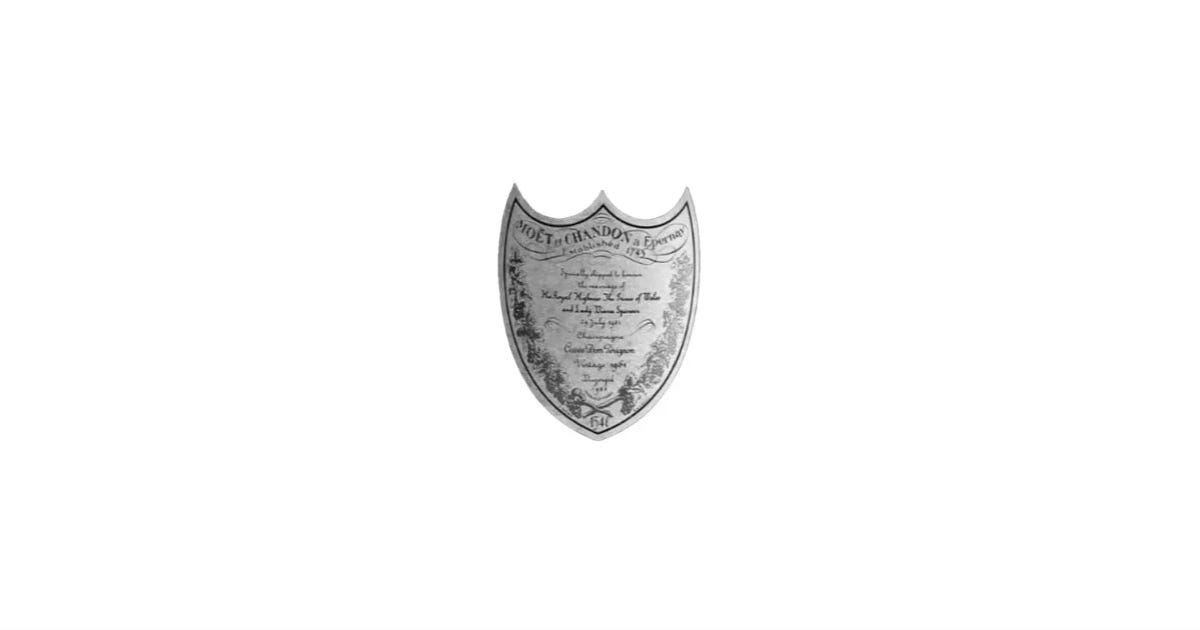
In December 2025, a singular bottle of Champagne quietly underscored a fundamental truth of the fine wine market: rarity alone does not guarantee value. A magnum of Dom Pérignon 1961, produced especially for the wedding of Lady Dianaand the then Prince of Wales, failed to sell at auction despite considerable public attention.
The bottle was one of just twelve magnums filled for that historic occasion. Submitted by a Danish collector, it was offered by the Copenhagen-based auction house Bruun Rasmussen with an estimated range of €67,000 to €80,000. Yet bidding stalled below the undisclosed reserve, and the lot remained unsold.
This outcome may surprise those who view royal provenance as a near-automatic catalyst for demand. Yet it reflects a more nuanced reality. Earlier, another bottle from the same special edition surfaced at auction in Derbyshire, selling for approximately €3,700, a result reported by the trade publication Drinks Business. The discrepancy between expectation and outcome could hardly be more striking.
The Challenge of Valuing Extreme Rarity
Such contrasts highlight the difficulty of pricing wines that sit at the intersection of history and oenology. For collectors, factors such as provenance, storage conditions, bottle integrity, and fill level are decisive. In the absence of impeccable condition and documentation, even the most storied bottles can struggle to meet ambitious valuations.
The 1961 vintage itself occupies a special place in Champagne history. Dom Pérignon 1961 is widely regarded as a great year, and standard bottles remain highly sought after. Yet market data from iDealwine show that recent transactions for the 1961 vintage have been far more modest, with bottles trading in 2025 for around €412. These figures reflect wines valued primarily for their historical interest rather than for immediate drinking pleasure.
Collectors Versus Wine Lovers
As Champagne ages beyond its optimal drinking window, its appeal subtly shifts. For many wine lovers, freshness, balance, and vitality remain paramount. Older bottles, while fascinating, often become objects of contemplation rather than consumption. This is where the market narrows.
Special editions linked to royal events appeal predominantly to a small circle of collectors drawn to symbolism and narrative. The audience is far more limited than that for pristine, well-stored vintages intended for the table. When estimates rise sharply, that circle contracts further.
The unsold Dom Pérignon 1961 magnum thus serves as a reminder that the fine wine market rewards discernment over spectacle. Even at its most exclusive, value is shaped by condition, context, and relevance to contemporary collectors. Royal associations may attract attention, but they do not always secure a buyer.