
At Château Margaux, a change at the top is more than an executive appointment. At an estate whose identity has been shaped over generations, leadership is inseparable from questions of continuity: how to preserve a distinctive culture while allowing the people responsible for it to evolve.
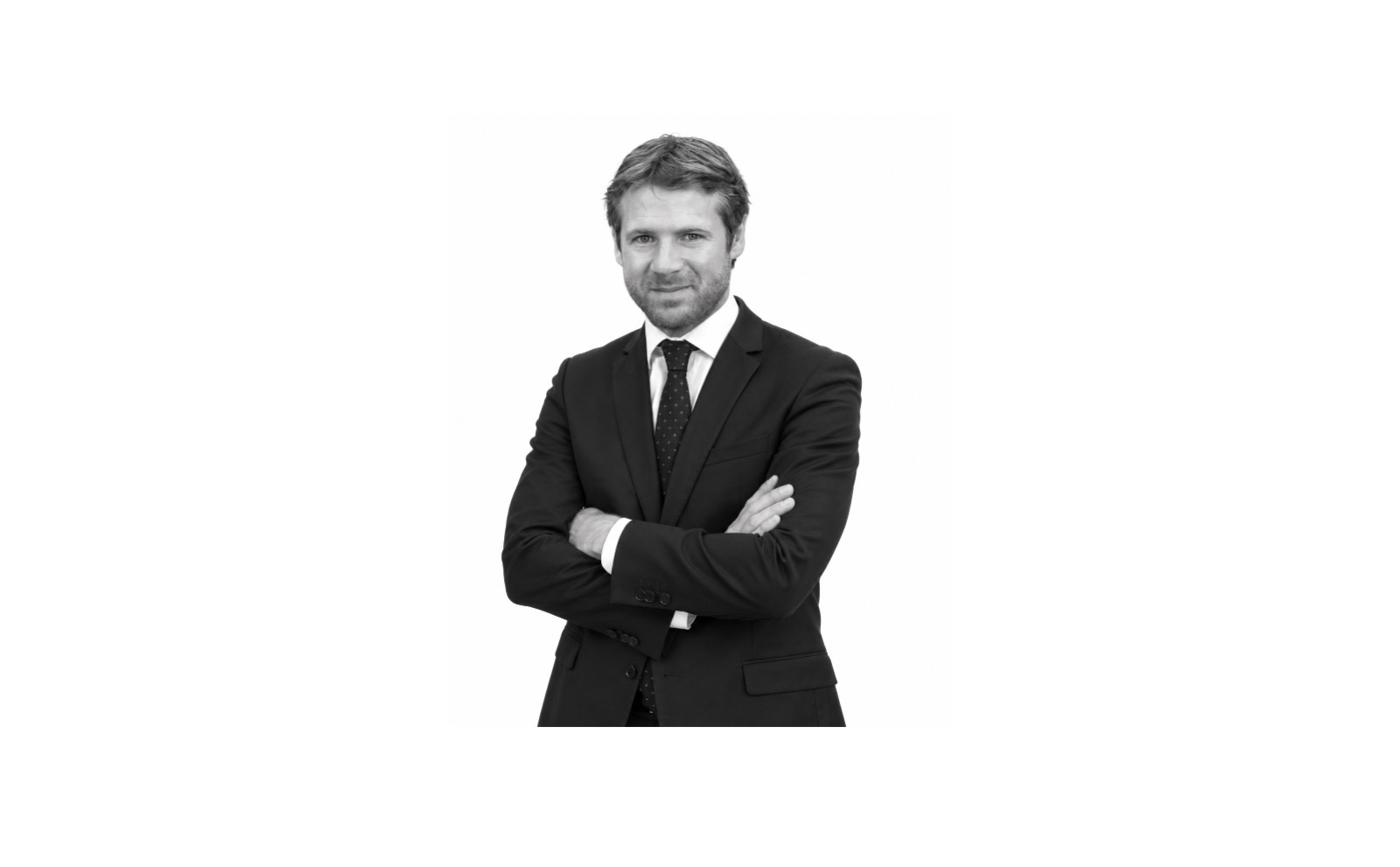
That balance will come into focus at the end of 2026. Philippe Bascaules, whose career has been closely connected with Château Margaux for some three decades, is preparing to retire. Aurélien Valance, currently deputy managing director responsible for sales and operations, will assume the role of managing director on 1 December.
Rather than looking beyond the estate for its next leader, Château Margaux has chosen someone whose relationship with the property stretches back more than twenty years. The appointment therefore represents less a change of direction than a transfer of responsibility within an established team.
Château Margaux turns to a familiar hand
Aurélien Valance first encountered Château Margaux in 2001 as an intern. After graduating from HEC and spending time in New York, he returned to the estate in January 2006 as commercial director.
His responsibilities gradually broadened. In 2016 he became deputy managing director, combining oversight of commercial activity with operational responsibilities. By the time he takes over the managing directorship, he will have spent two decades working within the château’s organisation.
That long perspective matters at an estate such as Margaux. The role reaches beyond representing one of Bordeaux’s First Growths in international markets. It also requires an understanding of how decisions made in the vineyard, cellar and commercial sphere fit together over the long term.
Valance’s appointment suggests that Château Margaux sees familiarity with those relationships as an asset. Rather than introducing a new philosophy from outside, the estate is entrusting its next phase to someone who already knows its wines, markets and internal culture.
Philippe Bascaules and three decades at Château Margaux
The transition also brings an important chapter in Philippe Bascaules’s career towards its close.
An agricultural engineer by training, Bascaules joined Château Margaux in 1990 as director of operations. He remained in that position until 2011, establishing a deep familiarity with both the vineyard and the technical workings of the property.
He then left Bordeaux for five years to lead a wine estate in Napa Valley. In March 2017, he returned to Château Margaux, this time as managing director.
His retirement will not amount to an abrupt departure. Bascaules is expected to continue advising the estate during some of the moments when accumulated experience is most valuable, including harvest, vinification and blending. He will work alongside longtime consulting oenologist Éric Boissenot.
It is a pragmatic arrangement. Wine estates operate on agricultural rather than corporate timescales: decisions may only reveal their full consequences over several vintages. Retaining access to Bascaules’s knowledge gives the new leadership continuity without preventing responsibility from passing to the next generation.
Château Margaux builds around an established team
The succession is also notable because it does not place the future of Château Margaux on one individual alone.
Benjamin Vimal, who joined the estate in May 2026 as director of winemaking and estate operations, oversees the technical chain from work in the vineyard through to bottling. His position gives the château dedicated leadership across the practical stages that ultimately determine what reaches the bottle.
Research and development is led by Blandine de Rouffignac, who has been at Château Margaux since 2018. Her remit includes the estate’s programme of experimentation, an increasingly significant field for Bordeaux properties seeking to respond thoughtfully to changing viticultural and winemaking conditions.
Together with Valance, these appointments reveal a management structure in which commercial, operational, technical and research responsibilities are clearly distributed. That may prove particularly important for an estate whose reputation rests not simply on preserving established methods, but on judging carefully when those methods should adapt.
Continuity without standing still
For collectors and followers of Bordeaux, changes in senior management at a First Growth naturally attract attention. Yet the more interesting aspect of this transition may be how deliberately uneventful Château Margaux intends it to be.
Valance is not arriving to discover the estate. Bascaules is not disappearing from it overnight. The technical and research teams are already in place. Knowledge is being transferred rather than replaced.
That does not mean Château Margaux will remain unchanged. No serious wine estate can. Vineyards evolve, climatic conditions shift, markets develop and each vintage poses its own questions. The challenge is to respond without losing the thread that connects one era to another.
By choosing a managing director formed largely within the estate itself, Château Margaux is placing considerable value on institutional memory. When Aurélien Valance assumes the role in December 2026, he will inherit not merely a title, but the responsibility of deciding how that memory can continue to inform the château’s future.