

Champagne Leadership Shake-Up: Hadrien Mouflard Joins Pol Roger as Cédric Roblet Takes Over at Ayala
Pol Roger’s leadership change triggers a Champagne domino effect, with Hadrien Mouflard leaving Ayala and Cédric Roblet promoted.
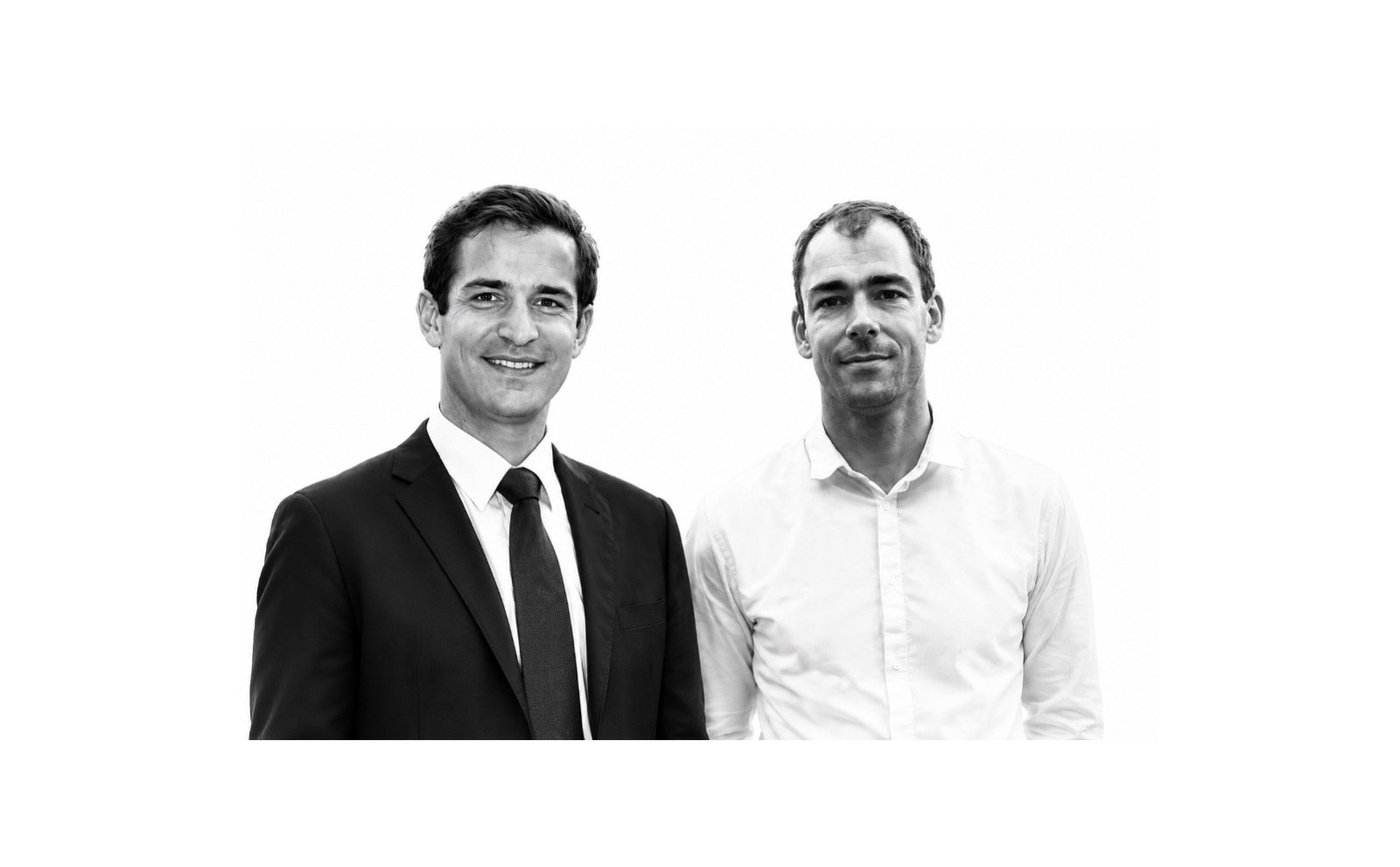
A changing of the guard at Champagne Pol Roger has set off a striking domino effect across two prominent Champagne houses. After 14 years at the helm of Champagne Ayala, Hadrien Mouflard is leaving the Bollinger-owned house to join Pol Roger, paving the way for the promotion of longtime Ayala executive Cédric Roblet.
The succession brings together three significant leadership moves in Champagne. Mouflard, 46, will succeed Laurent d’Harcourt, 63, who has chaired Pol Roger’s management board since 2016 and is now retiring. At Ayala, meanwhile, Roblet, 39, will step into Mouflard’s role from September 14, 2026.
For Ayala, the appointment represents continuity as much as change. Roblet has spent years inside the house and has already played a central role in its financial management, French market strategy, grower relations and recent transformation.
Hadrien Mouflard leaves Champagne Ayala for Pol Roger
Mouflard’s departure closes a 14-year chapter at Champagne Ayala, based in Aÿ and part of the Bollinger group.
His next destination is Pol Roger in Épernay, the historic Champagne house owned by the Pol Roger and de Billy families. There, he will replace Laurent d’Harcourt, who is retiring after a decade as chairman of the management board.
Pol Roger remains one of Champagne’s best-known family-owned names and is famously associated with Winston Churchill, whose affection for the house became an enduring part of its international identity.
Mouflard’s recruitment therefore marks a significant transfer of executive talent between major Champagne producers. But his exit from Ayala has also created an opportunity for the house to promote from within.
Cédric Roblet promoted to lead Champagne Ayala
Ayala has chosen Cédric Roblet to succeed Mouflard, placing an executive with deep knowledge of both the house and the wider Bollinger organization in charge of its next phase.
Roblet joined Champagne Bollinger in 2009, initially working in management control. A graduate of the ESM-A business school in Marne-la-Vallée, he moved to Ayala in 2016 as administrative and financial director before subsequently becoming the house’s secretary general.
His responsibilities have already extended well beyond finance. At Ayala, Roblet has overseen financial management, the French market and relationships with grape suppliers — functions that have placed him close to both the commercial and viticultural sides of the business.
That experience could prove particularly valuable at a house whose production model depends heavily on long-term relationships with Champagne growers.
Ayala’s transformation enters a new phase
Roblet has also been involved in several of the most important stages of Ayala’s recent development.
According to the house, these have included the rebuilding of its vineyard holdings, the restructuring of grape supply arrangements and substantial investment in production facilities. Together, those projects have strengthened Ayala’s control over both sourcing and winemaking.
The next chapter is expected to build on that work.
Among the priorities highlighted by the house are the development of wine tourism, a clearer expression of Ayala’s distinctive identity around Chardonnay, and further improvements in precision and wine quality.
For Champagne consumers and the international wine trade, the emphasis on Chardonnay is especially noteworthy. Ayala has increasingly positioned freshness, elegance and the grape variety’s distinctive character at the heart of its identity, giving the house a potentially valuable point of differentiation in a highly competitive Champagne market.
New micro-vinification winery ready for the 2026 harvest
Investment in winemaking infrastructure will be another important part of Ayala’s strategy under Roblet.
The house has been developing new vat rooms designed to provide greater precision during vinification. The latest facility, dedicated specifically to micro-vinifications, is due to become operational for the 2026 Champagne harvest.
Micro-vinification allows winemaking teams to work with smaller parcels or individual lots separately, providing greater flexibility when assessing vineyard origins, grape quality and blending potential.
For a Champagne house seeking to sharpen its style around Chardonnay and enhance qualitative precision, that additional capacity could become a meaningful tool. It may allow Ayala’s winemaking team to explore individual terroirs in greater detail before deciding how wines ultimately fit into the house’s blends.
The investment also reflects a broader movement within Champagne toward increasingly detailed parcel selection and more precise vinification.
Grape sourcing remains central to Ayala’s strategy
Ayala sells approximately one million bottles per year, making secure access to high-quality grapes a critical part of the company’s operations.
Around 85% of its grape supply is purchased, while approximately 15% comes from vineyards owned by the house. Ayala currently owns 22 hectares of vines.
That balance helps explain why Roblet’s existing responsibility for grower relations is particularly significant. Maintaining reliable partnerships with grape growers is essential for a house that sources the large majority of its fruit externally, especially as it seeks to reinforce both consistency and stylistic precision.
His familiarity with the supplier network should therefore provide continuity during the leadership transition while Ayala pursues its next investments and commercial ambitions.
Wine tourism and Chardonnay to shape Ayala’s future
Beyond production, Champagne wine tourism is set to become a more visible part of Ayala’s strategy.
The Champagne region has increasingly developed hospitality and visitor experiences as a way for houses to deepen their relationships with consumers. For Ayala, expanding wine tourism offers an opportunity to bring visitors directly into the story of the brand, its historic home in Aÿ and its Chardonnay-focused positioning.
At the same time, sharpening the house’s identity around Chardonnay could help Ayala stand out internationally at a moment when Champagne buyers are showing growing interest in grape varieties, vineyard origins and individual house styles.
Roblet will therefore inherit a business with several projects already in motion: new production infrastructure, a more clearly defined stylistic identity, stronger vineyard and sourcing foundations, and ambitions to expand the visitor experience.
A Champagne succession with wider implications
Leadership transitions are common in the wine industry, but this one has an unusually clear ripple effect.
Laurent d’Harcourt’s retirement at Pol Roger created an opening for Hadrien Mouflard. Mouflard’s departure from Ayala, in turn, has elevated Cédric Roblet into the top role at the Bollinger-owned house.
The result is a reshuffling of senior management across two highly recognizable Champagne producers — and the beginning of new chapters for both.
At Pol Roger, attention will now turn to how Mouflard approaches the stewardship of one of Champagne’s most historic family houses. At Ayala, Roblet’s promotion signals continuity while giving him responsibility for delivering a strategy already focused on Chardonnay, precision winemaking, stronger production capabilities and wine tourism.
With the 2026 harvest approaching and Ayala’s new micro-vinification facilities preparing to come online, his tenure will begin at an important moment for the house.