
A New Model for Bordeaux’s Next Generation of Winegrowers
Leading Bordeaux estates mentor independent growers to strengthen resilience, innovation, and long-term sustainability
Bordeaux is often viewed through the lens of its most prestigious estates. Yet the long-term vitality of the region depends not only on its celebrated first growths and iconic crus, but also on the thousands of independent winegrowers who shape the diversity, identity, and economic fabric of the vineyard.
Against a backdrop of vineyard restructuring, changing consumer demand, rising production costs, and environmental challenges, a growing initiative is exploring how knowledge transfer may become one of the region’s most valuable resources. Through Vignerons AVenir, four of Bordeaux’s most renowned estates are helping a new generation of growers navigate a rapidly evolving wine landscape.
The programme may be modest in scale, but it reflects a significant shift in thinking: the future strength of Bordeaux may increasingly depend on collaboration rather than competition.
When Bordeaux’s Leading Estates Share Their Expertise
This year’s Vignerons AVenir cohort brings together four independent producers selected for the originality and relevance of their development projects.
The participating estates include Château Haut-Rian in Cadillac, Château Doyac in Haut-Médoc, Château de la Grenière in Lussac Saint-Émilion, and Château Hostens-Picant in Sainte-Foy Côtes de Bordeaux.
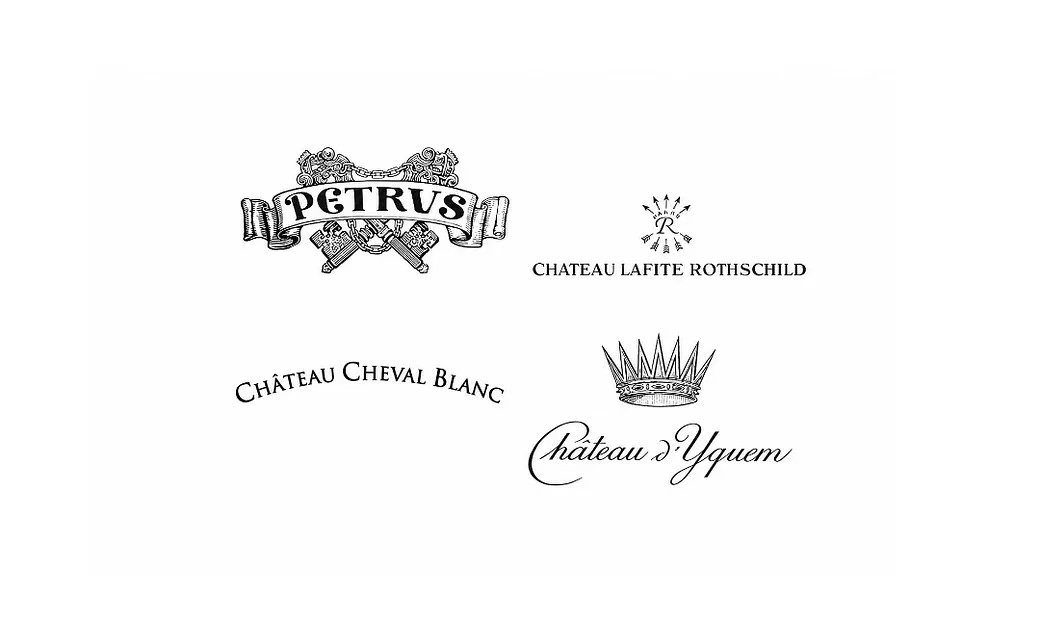
Behind the initiative stand four of Bordeaux’s most influential names: Cheval Blanc, Lafite Rothschild, Petrus, and Yquem.
Rather than providing financial support, the programme focuses on mentorship. Each participating winery receives approximately fifty hours of tailored guidance from teams working within these leading estates. The objective is not to impose a model but to help growers refine their own strategic vision while benefiting from expertise that smaller properties often cannot access internally.
This support can cover viticulture, business management, commercial strategy, financial planning, operational efficiency, product development, and diversification.
Beyond the Vineyard: Building More Resilient Wine Estates
The challenges facing Bordeaux today extend far beyond grape growing.
Winegrowers increasingly operate in an environment where profitability, environmental stewardship, tourism, marketing, and direct-to-consumer sales must coexist within a coherent business model.
For many family-owned estates, the pressure can be considerable. Small teams are often responsible for every aspect of the business, from vineyard management and cellar work to administration and sales.
The mentorship programme recognizes this reality. Its purpose is not merely to improve vineyard practices but to strengthen the overall resilience of wine estates.
One of the selected properties, Château Haut-Rian, illustrates this broader approach. Having recently completed its conversion to organic viticulture, the estate is exploring new opportunities that include opening the vineyard to visitors and developing complementary activities linked to local food production.
Such projects reflect a wider trend across Bordeaux and other French wine regions, where diversification is increasingly viewed as an essential component of long-term sustainability.
The Value of External Perspective
One of the most interesting aspects of the initiative is its emphasis on perspective.
Independent growers frequently face decisions under considerable time pressure. Vineyard work follows seasonal rhythms that leave little room for strategic reflection, particularly when labour shortages, weather uncertainty, or financial constraints are added to the equation.
For organic producers, the challenge can be even greater. Timing is critical, and delays in vineyard interventions may have significant consequences.
An external viewpoint can therefore become highly valuable. By engaging with specialists whose daily responsibilities include technical management, finance, administration, sales, and long-term planning, winegrowers gain access to expertise that is often difficult to assemble within smaller organizations.
The process creates opportunities to reassess priorities, identify operational bottlenecks, and focus resources where they can generate the greatest impact.
In an industry where margins are increasingly under pressure, strategic clarity may prove as important as vineyard performance.
Preserving Diversity in Bordeaux
The initiative arrives at a moment when Bordeaux is undergoing profound structural change.
In recent years, vineyard removals have become an unavoidable reality in parts of the region as producers respond to market imbalances and changing patterns of wine consumption. While these measures address immediate economic challenges, they also raise questions about the future diversity of Bordeaux’s wine landscape.
One of the strengths of Bordeaux has always been the coexistence of globally renowned estates alongside smaller family-owned properties. Together they create a mosaic of terroirs, styles, and identities that contributes to the region’s international reputation.
Supporting independent growers is therefore not simply an act of solidarity. It is an investment in maintaining the richness and complexity of Bordeaux as a wine region.
The continued presence of dynamic, innovative family estates helps ensure that Bordeaux remains adaptable, relevant, and capable of responding to future challenges.
A Collaborative Vision for the Future
Perhaps the most significant aspect of Vignerons AVenir is its collaborative philosophy.
The initiative encourages other established wine estates to contribute expertise and participate in future mentoring programmes. Its founders argue that the knowledge accumulated within larger organizations can become a collective resource capable of strengthening the broader wine community.
This approach reflects an emerging understanding within Bordeaux: the challenges facing the region are too complex to be addressed in isolation.
Climate adaptation, economic sustainability, vineyard management, wine tourism, changing consumer expectations, and market positioning affect producers of every size. Sharing experience and practical knowledge may become one of the most effective tools available to address them.
In that sense, Vignerons AVenir represents more than a mentoring programme. It offers a model for how Bordeaux’s leading estates can contribute to the future of the region—not only through the wines they produce, but through the expertise they choose to share.
As Bordeaux continues its transformation, initiatives built around cooperation, resilience, and long-term vision may prove just as important as the prestige that first made the region famous.