
Bordeaux 2025 En Primeur: Why Pricing Matters Again
As global demand softens, Bordeaux's most successful 2025 releases return to a forgotten principle: genuine value
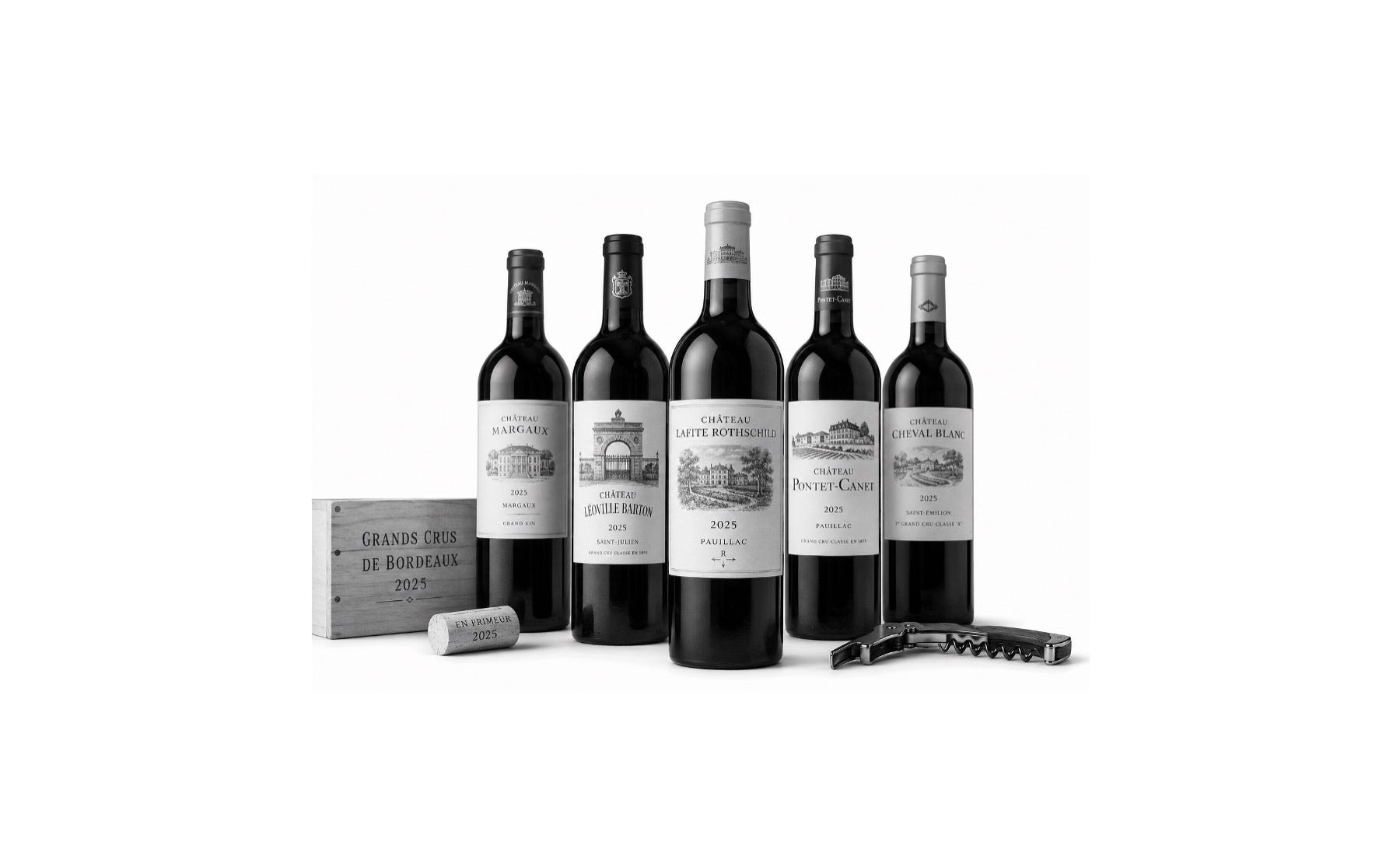
For decades, Bordeaux en primeur rested on a simple promise. Buyers accepted the risks of purchasing wine years before delivery because they expected a reward: privileged access and advantageous pricing. Over time, that equation became less certain. In many vintages, the economic logic of buying futures weakened as released wines could often be found later at similar—or even lower—prices.
The 2025 en primeur campaign suggests that Bordeaux may be rediscovering a principle that once made the system compelling.
This year’s campaign is unfolding against a difficult backdrop. Global fine wine demand remains subdued, the American market is far less active than in previous years, and Asian demand is increasingly selective. At the same time, substantial stocks of physical wine remain available across many recent vintages, creating intense competition between new releases and already deliverable bottles.
In such an environment, critical scores alone are no longer sufficient to drive demand. The market’s attention has shifted toward something far more tangible: relative value.
The Return of Market-Based Pricing
The most successful releases of the campaign have not necessarily been those receiving the highest praise from critics. Instead, they have been the wines positioned intelligently against existing market inventories.
This distinction is crucial.
When a newly released en primeur wine is priced below comparable physical vintages already available in the marketplace, buyers can immediately identify a potential advantage. The proposition becomes clear and measurable. The purchase is no longer based solely on confidence in future appreciation or critical acclaim; it is supported by visible pricing logic.
Several leading estates appear to have embraced this reality.
The release of Château Lafite Rothschild attracted particular attention. Despite an increase over the previous vintage, the wine entered the market at a level that compares favourably with several physically available Lafite vintages. The result was a release that generated genuine interest among merchants and collectors alike.
The lesson extends beyond Lafite. Across Bordeaux, the wines generating the strongest momentum have generally shared three characteristics:
Pricing below comparable market vintages
Reduced production volumes
Clear positioning relative to existing inventories
These factors have proven more influential than vintage narratives alone.
Why Scarcity Still Matters
Production volumes have become another defining element of the campaign.
Many of Bordeaux’s strongest-performing releases come from estates facing significantly reduced yields. Lower quantities naturally increase scarcity, but scarcity only creates demand when accompanied by realistic pricing.
Historically, Bordeaux has occasionally relied too heavily on rarity as a justification for higher release prices. The 2025 campaign demonstrates that scarcity without value is insufficient.
Collectors today have unprecedented access to information. They can compare prices across vintages, merchants, regions, and international markets within minutes. A wine cannot simply be presented as rare; it must also represent a rational purchasing opportunity.
This combination of scarcity and value explains why several estates with smaller available volumes have attracted attention despite the challenging market environment.
The New Challenge for Bordeaux
Perhaps the most significant development emerging from the campaign is a shift in how success is measured.
For many years, discussions surrounding en primeur centred on critic scores, vintage quality, and brand prestige. These factors remain important, particularly for the leading classified growths. Yet the market increasingly appears to judge releases through a different lens.
Buyers are asking practical questions.
How does this price compare with the 2019?
What premium am I paying relative to the 2020?
Can I purchase a physical bottle from another vintage at a lower cost?
These comparisons are reshaping release strategies throughout the region.
The estates adapting most successfully are those recognising that en primeur now competes directly with Bordeaux’s own back catalogue. Every new release must justify itself against an extensive supply of mature and near-mature wines already available in the marketplace.
This reality creates a more disciplined environment for pricing decisions.
A Divided Campaign
Not every château has embraced this approach.
A number of releases have entered the market at prices that many merchants consider ambitious given current demand conditions. These wines face a more difficult challenge. Without strong participation from key international markets, particularly the United States, premium pricing becomes harder to sustain.
This has created a notable divide within the campaign.
Some wines have sold efficiently because buyers immediately recognised the value proposition. Others have struggled to generate the same enthusiasm despite strong reputations and excellent vineyard pedigrees.
The distinction highlights a broader transformation occurring within the fine wine market.
Brand prestige remains powerful, but it is no longer sufficient on its own. Economic rationality has returned to the centre of purchasing decisions.
The Future of En Primeur
The long-term significance of the 2025 campaign may lie less in individual releases and more in what it reveals about the future of Bordeaux.
The region’s most successful estates appear to be acknowledging a reality that many collectors have understood for years: en primeur must once again feel like an opportunity.
The system functions best when all participants benefit. Producers secure early sales and market visibility. Merchants gain confidence in distribution. Collectors obtain wines at prices that justify committing capital years before delivery.
When that balance exists, the en primeur model remains one of the most distinctive and effective commercial structures in the wine world.
The early evidence from 2025 suggests that Bordeaux’s strongest performers are not reinventing the system. They are simply returning to its original logic.
In today’s market, that may be exactly what is required.