
Bordeaux 2025: A Vintage Defined by Precision, Not Excess
A rare alignment of conditions delivers reds, whites, and Sauternes of remarkable poise and ageing potential
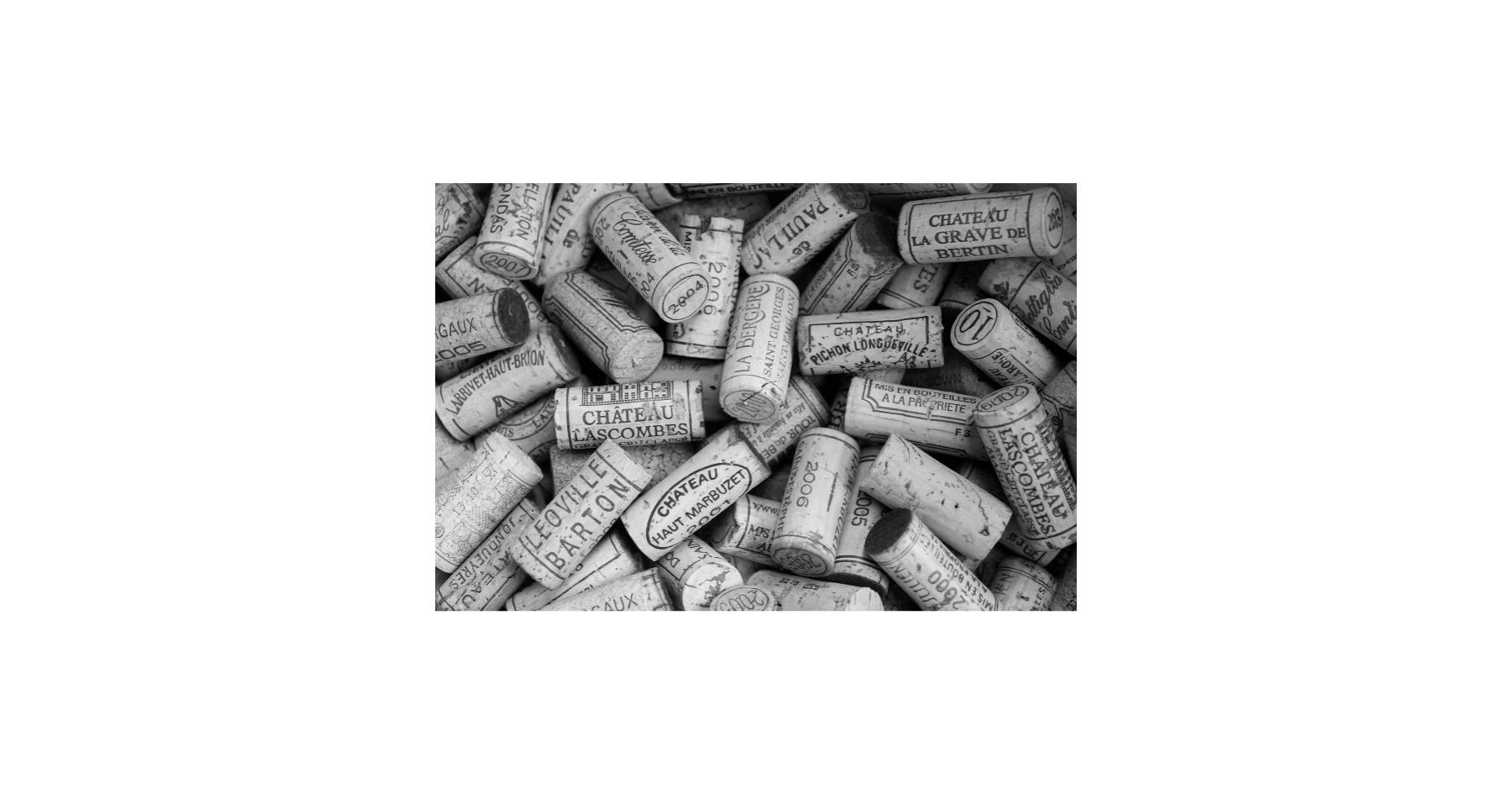
In Bordeaux, great vintages rarely announce themselves with immediacy. They emerge gradually, shaped by a sequence of conditions that, taken together, allow the vineyard to express itself without distortion. The 2025 growing season belongs to this category: not spectacular in a singular moment, but compelling in its coherence from start to finish.
Early technical assessments from the Institut des Sciences de la Vigne et du Vin and the Université de Bordeaux converge on a clear conclusion: 2025 aligns closely with the theoretical framework long associated with Bordeaux’s finest years. The significance lies not in isolated success, but in the rare simultaneity of five key conditions—each fulfilled with notable consistency across appellations.
The Architecture of a “Vintage in Five”
The concept of a “vintage in five” has long served as a benchmark among Bordeaux researchers. It is less a slogan than a structural model: a sequence of biological and climatic events that must unfold with precision.
In 2025, flowering and fruit set were both early and rapid, setting a uniform foundation. Vegetative growth ceased before véraison, allowing the vine to redirect its energy toward ripening. Crucially, the canopy remained fully functional through to harvest, supporting steady phenolic and aromatic development. Finally, benign weather at harvest enabled parcel-by-parcel picking at optimal maturity.
This alignment is uncommon. More often, one or two variables fall short, introducing compromise. In 2025, the absence of such disruption has resulted in a vintage defined by clarity rather than correction.
Red Wines: Density with Restraint
The red wines of 2025 reflect a growing paradox in Bordeaux: the coexistence of concentration and moderation. Summer water stress limited excessive vigor, while an early harvest preserved freshness. The resulting fruit offered high phenolic potential, particularly in skins of notable thickness.
Yet the success of the vintage was not guaranteed in the vineyard alone. The abundance of polyphenols required careful extraction in the cellar. Where producers adapted—modulating maceration and avoiding over-extraction—the wines show impressive balance: structured yet composed, with alcohol levels that remain measured rather than excessive.
At their best, these reds approach the stature of Bordeaux’s most respected modern vintages. Not through opulence, but through precision: tannins that are present but refined, fruit that is ripe but not overextended, and a sense of proportion that suggests longevity without heaviness.
Dry Whites and Sauternes: Parallel Success
It is relatively rare for Bordeaux to achieve equal distinction across all wine styles in a single year. In 2025, this equilibrium extends beyond reds.
Dry whites benefited from the same early and healthy ripening conditions, preserving aromatic definition and structural tension. They display clarity of fruit and a controlled richness, supported by balanced acidity.
In Sauternes, the vintage followed a near-textbook progression. Alternating humid and dry periods allowed for the gradual establishment of noble rot, followed by concentration phases that enhanced sugar and aromatic complexity. Grapes reached maturity early, maintaining excellent sanitary conditions throughout the harvest.
The resulting liquoreux wines combine purity with depth, suggesting both immediate appeal and the capacity for extended ageing.
A Moment of Relief in an Unstable Era
The broader context of 2025 should not be overlooked. Recent vintages in Bordeaux have been marked by climatic volatility and economic uncertainty. Against this backdrop, 2025 represents a form of equilibrium—an interval in which the vineyard operated within parameters that favored expression rather than resistance.
Viticulture remains inherently exposed to instability, increasingly so in the current climate. That makes vintages like 2025 all the more instructive. They illustrate not only what is possible under near-ideal conditions, but also how sensitive that outcome is to timing, balance, and restraint.
From Potential to Reality
At the time of the primeur tastings, the wines of 2025 are still in élevage. Their promise is evident, but not yet fully realized. As always, the transition from potential to reputation will depend on how these wines evolve in bottle—and how they are received by the market.
For now, the evidence points to a vintage of substance and coherence, one that rewards attention to detail and resists broad generalization. Bordeaux 2025 is not defined by extremes. It is defined by alignment.