
Beaujolais & Lyonnais: Terroir, Heritage, and a Modern Revival
From granite crus and Lyon’s hidden slopes to Nouveau’s global frenzy, Beaujolais and Lyonnais reveal depth, history, and a changing future.
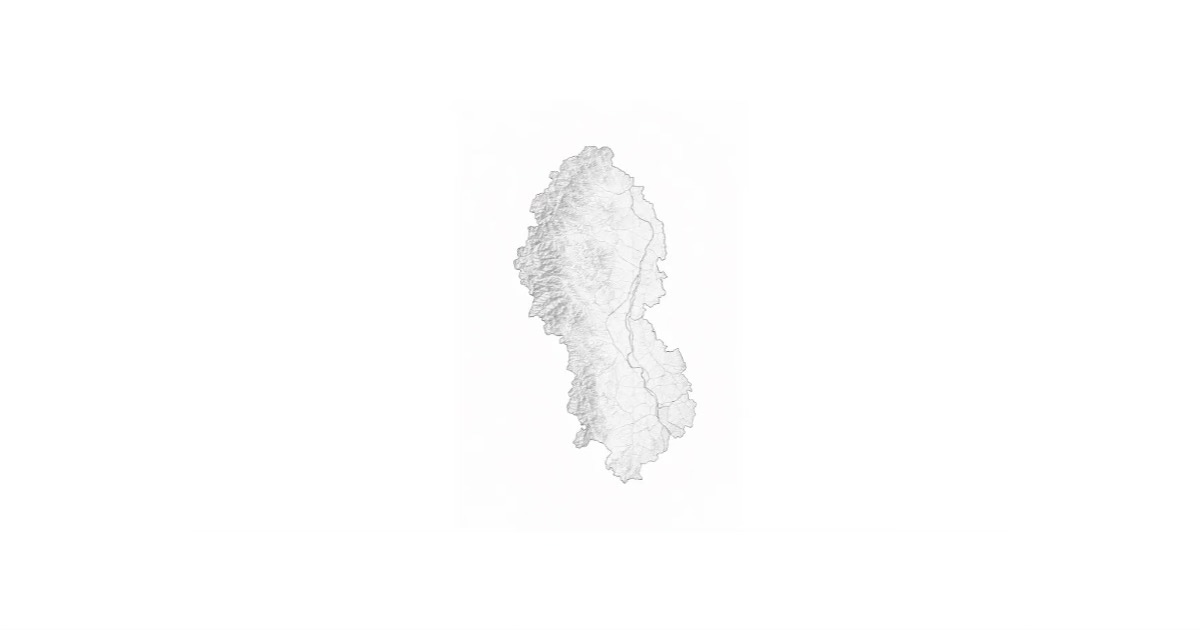
Just north of Lyon in eastern France, the Beaujolais and Lyonnais vineyards form a historic bridge between Burgundy and the Rhône Valley—an in-between land with an identity that is anything but secondary. Long regarded as the homeland of the Gamay grape, the region produces wines that span a striking spectrum: from jovial, fruit-forward bottles meant for immediate pleasure to unexpectedly complex, cellar-worthy reds capable of genuine pedigree.
Beaujolais, in particular, has often been reduced to the shorthand of youthful wines—above all Beaujolais Nouveau—yet its ten cru appellations consistently yield structured reds with serious credentials. To Lyon’s west, the lesser-known Coteaux du Lyonnais appellation shares cultural and viticultural ties with Beaujolais and carries an ancient heritage of its own, even if it remains, in both market and mythology, in Beaujolais’s shadow.
What follows is an in-depth, point-by-point editorial exploration—analytical, refined, and aimed squarely at wine professionals and connoisseurs—covering geography and terroir, appellation hierarchies and regulatory shifts, principal varieties and viticultural practice, and the cultural history that shaped these wines. Along the way, we will examine the notable producers who steered the region’s trajectory, the signature styles from fragrant primeur to age-worthy cru, and the ways climate change and evolving practice are already steering Beaujolais and Lyonnais toward what comes next—beyond every cliché.
Geography, Climate, and Terroir Structure
Location and Landscape: A Narrow Ribbon, Richly Varied
The Beaujolais vineyard stretches roughly 50–55 km from Burgundy’s southern tip down toward the outskirts of Lyon, with a width of about 15 km. It sits east of the Massif Central foothills, separated from the Saône River by rolling countryside. Altitudes range from about 200 meters on lower slopes up to 500 meters in the hills—an essential range that provides meaningful diversity in slope and elevation.
This landscape is a patchwork of gentle coteaux (hillsides) and rounded ridges, especially in northern Beaujolais, with slightly steeper, more rugged relief in certain cru areas. Immediately to the south of Beaujolais proper—and wrapping west around Lyon—lies the Coteaux du Lyonnais, a small, fragmented appellation of roughly 300–370 hectares today. The Lyonnais vineyards sit on slopes and valleys that form a natural link between Beaujolais and the Rhône Valley, though urban expansion around Lyon has carved these vineyards into discontinuous islands.
Geology and Soils: North-South Contrast, Cru-by-Cru Nuance
Beaujolais’s terroir famously shifts from north to south. Northern Beaujolais (Haut Beaujolais) is underpinned by ancient Massif Central geology: predominantly crystalline rock and decomposed granite soils with schist, volcanic porphyry, and traces of manganese. This granite bedrock breaks down into sandy, pinkish gravel known locally as gorrhe—poor in nutrients and well-draining. Vines in these conditions must root deeply, contributing to smaller yields of concentrated fruit: an ideal scenario for quality Gamay.
All ten cru Beaujolais are clustered in this northern zone, each with nuanced soil compositions. Consider three instructive examples explicitly:
Moulin-à-Vent sits on pink granite laced with veins of manganese, yielding wines known for structured tannins and longevity.
Fleurie is also largely on weathered pink granite sand, contributing to its hallmark fragrant, silky wines.
Morgon, in its most celebrated sector, the Côte du Py, is rooted in an ancient volcanic outcrop of hard blue-green diorite, giving rise to some of the region’s densest, most age-worthy wines.
Overall, northern Beaujolais soils tend to stress vines just enough to produce grapes of depth and character.
By contrast, southern Beaujolais (Bas Beaujolais)—extending from about Belleville to the limestone-rich areas approaching Lyon—features more clay, marl, and sandstone, intermixed with patches of limestone (calcaire). The Pierres Dorées area, named for its golden-hued limestone, has gentler slopes and richer soils more suited to high-yield production. Historically, it supplied the bulk of basic Beaujolais AOC wines: easy-drinking reds often sold as nouveau.
One telling technical nuance sits at the southern edge: these limestone clays are less congenial to Gamay but can support Chardonnay or even Pinot Noir plantings. Yet any Pinot grown here must be bottled under Bourgogne appellations, not Beaujolais—an appellation subtlety that becomes a recurring theme in this region’s identity.
Coteaux du Lyonnais: A Kinship in Rock, a Fragmentation in Place
The Coteaux du Lyonnais shares geological kinship with Beaujolais. Many Lyonnais vineyards sit on granitic or other metamorphic rock substrates related to the Massif Central, along with pockets of loess and alluvial deposits in valleys. Altitudes range from about 200–500 m, similar to Beaujolais, and vines are interspersed with orchards and fields on Lyon’s western hills.
The climate and soils produce wines described by observers as “very similar to those from the Beaujolais.” Yet one distinguishing feature is pronounced erosion and fragmentation: centuries of quarrying and urban growth have left Lyonnais vines in scattered plots. The best sites tend to be on well-exposed slopes around 200–350 m elevation, often on granite or hard crystalline rock which, as in Beaujolais, forces roots deep. The Lyonnais also contains more varied soil influences—including some limestones and silty or sandy loams—due to proximity to the Rhône corridor and glacial deposits.
Despite minor differences, a unifying terroir thread across Beaujolais and Lyonnais is clear: both are exceptionally well-suited to Gamay, which thrives on granite and schist that limit vigor and produces its most characterful wines on these terrains.
Climate: Where Three Influences Meet
Beaujolais and Lyonnais enjoy a temperate climate shaped by three converging influences. Mean annual temperatures are moderate, around 11°C. Summers can reflect a Mediterranean influence drifting up the Rhône Valley, bringing warm, sunny conditions that help ripen Gamay’s often plentiful crop. In winter, a continental influence dominates, with cold snaps and occasional snow in the vines. From the west comes an oceanic influence, introducing rainfall and Atlantic weather systems periodically. Vintners describe the climate as a meeting of “three types of climate: oceanic, Mediterranean in summer, and semi-continental in winter.”
The interplay yields relatively high sunshine hours and sufficient rain—approximately 750–800 mm annually—without extremes, making the region one of France’s earliest-ripening red wine areas for a late variety like Gamay. Harvest traditionally began in September, although climate warming has advanced that timeline in recent years.
Mesoclimates, Wind, and Hazards
The Beaujolais hills shape important mesoclimates. Vineyards lie mainly on east and southeast facing slopes, catching morning sun and drying winds while being shielded from westerly gales by the Monts du Beaujolais. The famous windmill at Moulin-à-Vent attests to breezy conditions that help keep fungal diseases in check.
Higher-elevation crus like Chiroubles (reaching 400–500 m) are cooler and historically ripen later, yielding lighter-bodied wines. Lower crus such as Brouilly, around 250–300 m, offer warmer sites and fruitier, softer wines. Hail remains an ever-present threat in spring and summer, especially in the highlands—Chiroubles has been notably prone to devastating hailstorms in some vintages.
The Coteaux du Lyonnais, immediately west of a major city, sees a bit more urban heat influence and a slightly stronger Mediterranean effect. Lyon’s climate is a touch warmer on average, and vignerons note the Lyonnais vineyards have “more pronounced Mediterranean influences than in the Beaujolais.” This can translate into Gamay reaching full ripeness slightly more reliably in Lyonnais, though modern vintages also deliver excellent ripeness in the best Beaujolais crus. Overall, both zones benefit from a favorable equilibrium: warmth for ripening (especially with recent hot summers), rainfall for supply (though droughts are not unknown), and site variation that supports distinct terroir expression.
Appellations and Classification
Beaujolais Appellation Hierarchy: A Tiered AOC System
Beaujolais is organized into a tiered AOC system, established in the 20th century, reflecting geography and quality potential.
Beaujolais AOC (Regional Level)
At the broadest level is Beaujolais AOC (“Beaujolais”), covering the entire vineyard area and stretching into parts of two départements: Rhône and a few communes of southern Saône-et-Loire. Basic Beaujolais can be produced anywhere in the designated zone, though much comes from the flatter clay-limestone soils of the south around Belleville and beyond. These wines are typically light, fresh reds intended for early consumption; a large portion is sold as Beaujolais Nouveau.
There is also a seldom-seen Beaujolais Supérieur category—essentially the same geographical area but with slightly lower yields and higher ripeness. In practice, few producers use this designation today. Basic Beaujolais (including Supérieur) still accounts for roughly half of the region’s total output in an average year.
Beaujolais-Villages AOC (Intermediate Level)
The next level is Beaujolais-Villages AOC, covering 38–39 villages in the northern half of the region adjacent to the crus. These villages—Haut Beaujolais but outside cru boundaries—were historically recognized for better vineyard land: more granite, steeper slopes, older vines than the Bas Beaujolais plains. Beaujolais-Villages wines generally show more concentration and depth. Some portion is also sold as nouveau, though less commonly than plain Beaujolais Nouveau.
In recent decades, certain villages within this category have gained attention. Although not officially classified as separate AOCs, names like Lantignié, Jullié, or Le Perréon may appear on labels as an allowed origin indication (for example, “Beaujolais-Villages Lantignié”), signaling a specific village terroir. There is ongoing discussion among growers about elevating some top Beaujolais-Villages areas to cru status, reflecting their quality potential.
The Ten Cru Beaujolais (Pinnacle Level)
At the top stand the ten Cru Beaujolais, communal appellations governing vineyard clusters around a village or geographic feature. All are located in the granite-dominant northern sector. From north to south—and also roughly from smallest to largest in production—they are:
Saint-Amour, Juliénas, Chénas, Moulin-à-Vent, Fleurie, Chiroubles, Morgon, Régnié, Brouilly, Côte de Brouilly.
Cru boundaries were defined in the 1930s and 1940s, with the newest cru, Régnié, promoted in 1988. Each cru AOC has its own production rules and identity. Moulin-à-Vent and Morgon are renowned for the sturdiest wines—structured, often tannic for Gamay, and capable of aging—whereas Fleurie and Chiroubles are associated with lighter, highly aromatic and supple styles. A common saying frames Moulin-à-Vent as the “Burgundy of Beaujolais” for depth and longevity, while Fleurie is the “Queen of Beaujolais” for elegance and floral bouquet.
One recent analysis emphasizes that all ten crus share Gamay and a similar macro-climate, making it the lieu-dit and soil composition that drive differences in the glass. Illustratively:
Chénas (the smallest cru) spans terrain from steep granite hills in the west to gentler clay-gravel slopes in the east, generally yielding more robust, dark-fruited wines than neighboring Juliénas.
Brouilly (the largest cru) is so geologically diverse—granite in one sector, limestone and clay in another—that its wines can be among the most variable, though typically fruit-forward and approachable.
Unlike basic Beaujolais, cru wines are not labeled “Beaujolais” on the front label; the premise is that names like Morgonor Moulin-à-Vent should stand on their own, as village names do in Burgundy.
Premier Cru Momentum and the Bourgogne Gamay Twist
Historically, the crus have had no formal premier cru or grand cru classification. That may be changing. Producers increasingly focus on specific vineyard plots, and momentum is building to recognize the finest climats. In 2024, several cru syndicates—including Fleurie, Moulin-à-Vent, and Brouilly—submitted applications for official Premier Crudesignation of their best lieux-dits. If approved, it would create a new top tier above the current cru level, highlighting terroirs such as Fleurie’s La Madone and Moulin-à-Vent’s Champ de Cour. The proposal has sparked debate over possible downsides and complexities, remains under review, and nonetheless signals how far the region has come in reclaiming pride in its terroir.
Another regulatory development arrived in 2011, when the INAO authorized a new appellation called Bourgogne Gamay (effective from the 2011 vintage) for Gamay wines from the Beaujolais crus. Producers of cru Gamay can label as Bourgogne Gamay AOC if grapes come exclusively from cru vineyards and meet certain standards. Only a few wines—often those blending across crus—use the label, but its existence underscores the growing acknowledgement that fine Gamay can stand alongside Pinot Noir in quality, and that Beaujolais sits at a cultural intersection with Burgundy.
Coteaux du Lyonnais AOC: A Small Appellation with Local Gravity
The Lyonnais vineyards have had their own appellation since 1984. Coteaux du Lyonnais AOC covers up to 49 communes encircling Lyon’s western and southwestern suburbs. In practice, not all communes are planted today, and only around 250–370 hectares remain under vine, tended by 17 independent producers and one cooperative—the Cave de Sain-Bel—which accounts for about half the production. At this scale, the appellation functions almost like a single communal AOC.
Permitted grapes mirror Beaujolais: Gamay is mandatory for reds and rosés; Chardonnay (plus minor Aligoté) for whites. Red and rosé Coteaux du Lyonnais must be 100% Gamay, with an interesting footnote: two rare teinturier variants—Gamay de Bouze and Gamay de Chaudenay—are permitted as accessory grapes. Whites are predominantly Chardonnay; Aligoté and even Pinot Blanc appear in tiny quantities but have largely been phased out of new plantings.
Stylistically, Lyonnais wines have long been viewed as close cousins to basic Beaujolais—light, fruity, and meant for young drinking—with similar yields and practices enforced by regulation. One crucial difference is destination: while Beaujolais exports a good share, about 90% of Lyonnais wine is consumed locally in the Lyon area, tied to the city’s demand for fresh local wines poured at bouchons, the traditional Lyonnais bistros. The local term “gouleyant”—gulpable—often defines its profile.
Yet a new generation is bringing improved viticulture and experimentation. A few domaines—Domaine de la Petite Gallée, Domaine de Prapin, and rising stars like Baptiste Nayrand—are drawing notice for quality beyond the rustic image of the past. Even so, the Lyonnais remains, literally and figuratively, in Beaujolais’s shadow, and its survival is a testament to Lyon’s historical thirst for wine after phylloxera and urbanization nearly erased these slopes by the mid-20th century.
No Formal Grand Cru, but Implied Rankings
Neither Beaujolais nor Lyonnais has an official internal cru class like Bordeaux 1855 or Burgundy’s grands/premiers crus. Quality is signified by appellation level and producer reputation. In Beaujolais, the crus are tacitly ranked by esteem: Moulin-à-Vent, Morgon, Fleurie, and Côte de Brouilly have long held the highest reputations—Moulin and Morgon for power and aging, Fleurie for perfume, Côte de Brouilly for singular volcanic finesse. Crus such as Chénas, Juliénas, Brouilly, Saint-Amour can be excellent but have historically been less commercially prominent. With the region’s revival in the 2000s and 2010s, “lesser-known” crus have risen thanks to passionate growers—Chénas seeing renewed energy from young winemakers, and Régnié, the youngest cru, being reappraised.
In the Lyonnais, there is no internal hierarchy; the appellation is small enough that individual producers differentiate themselves by quality.
From the 1930s AOC boundaries that enshrined the crus to modern tweaks like Bourgogne Gamay and the possibility of premiers crus, the regulatory landscape continues to evolve. What remains constant is the drive for local identity—whether a sprightly primeur labeled simply “Beaujolais” or a specific vineyard bottling from Morgon’s Côte du Py—and this push toward terroir clarity, relatively recent in Beaujolais’s long story, is inseparable from the region’s cultural history.
Principal Grape Varieties and Viticultural Practices
Gamay Noir à Jus Blanc: From Workhorse to Nobility
By overwhelming majority, Beaujolais and Lyonnais are the realm of Gamay—specifically Gamay Noir à Jus Blanc, a black-skinned, white-juiced vitis vinifera red. It accounts for approximately 97–99% of red plantings in Beaujolais and similarly dominates Coteaux du Lyonnais.
Gamay is early-budding and early-ripening, suiting a relatively short growing season between spring frosts and autumn rains. It can be highly productive if not pruned rigorously—a double-edged sword. Over-cropping on fertile plains was a root cause of past quality problems, producing dilute wines. Conversely, on poor granitic hills with old vines, restricted yields, and careful canopy management, Gamay can yield concentrated, characterful wines.
Historically, Gamay was not always revered. Its Beaujolais destiny was shaped by a Burgundian banishment: in 1395, Duke Philip the Bold of Burgundy denounced Gamay as “a very bad and disloyal variety” ruining Burgundy’s vineyards, ordering it uprooted in favor of Pinot Noir. Gamay was pushed south and found refuge in the granite hills north of Lyon—an irony that would define Beaujolais, as the rejected grape became the foundation of the region’s identity. For centuries, Burgundians disparaged Gamay as rustic and inferior, even as it thrived in Beaujolais, producing fruity, pleasurable wines that earned their own following.
Viticulturally, Gamay ripens about two weeks earlier than Pinot Noir, crucial in this slightly warmer yet still marginal climate.
Training Systems: Gobelet Tradition and the Push Toward Mechanization
The traditional Beaujolais vine training is gobelet—head-trained bush vines, typically with three to five stout canesarranged in goblet form, without trellis. Dating back to Roman and medieval times, it keeps vines low and limits vigor. In granite crus, one still finds many old gnarled goblet vines, some exceeding 50 or 80 years of age. These vieilles vignesare prized: deep roots penetrate granitic subsoil, seeking water and minerals that can add complexity.
Modernizations have brought wire-trained systems (Guyot or cordon), especially in flatter areas for mechanization. Yet on steep slopes—Morgon and Fleurie among them—gobelet remains common. Hand harvesting is still widespread in these crus, partly by tradition and partly because whole-cluster harvest is desired for vinification beaujolaise.
In the Lyonnais, Gamay also reigns, typically trained low. A notable regulatory detail persists: the appellation allows the two rare teinturier clones Gamay de Bouze and Gamay de Chaudenay as accessory grapes, historically used to deepen the light wine’s hue, though they are very minor today. A few experimental growers have planted other grapes—reports include some Syrah, even rare local varieties—but these must be bottled as Vin de France if at all.
Whites: Chardonnay, Remnant Aligoté, and Label Choices
For white wines, Beaujolais permits Chardonnay and remnants of Aligoté. White Beaujolais constitutes only about 1–3% of total production. Chardonnay has long been planted in southern Beaujolais even if reds dominated. Some of these vineyards historically went into Crémant de Bourgogne or were sold as Mâcon blanc by larger négociants. And because consumer recognition matters, Beaujolais producers making white often choose to label as Bourgogne Blanc or Mâcon-Villages rather than Beaujolais Blanc.
Aligoté was officially allowed in Beaujolais whites until recently, but in 2024 it is due to be fully phased out of the AOC: plantings existing before 2004 were permitted to stay until now; going forward, Beaujolais Blanc will be essentially 100% Chardonnay.
In Coteaux du Lyonnais, Chardonnay likewise dominates the small white production—about 20% of Lyonnais wines are white—with Aligoté minor and a few instances of Pinot Blanc or local varieties. Whites from both regions are typically light, straightforward, and fresh, though a handful of ambitious producers craft oak-fermented Chardonnays that can resemble Burgundian neighbors.
Viticultural Implications: Harvesting, Yields, Sustainability, and Adaptation
Several factors make Beaujolais viticulture distinctive.
First, hand harvesting remains widely practiced, especially for cru and villages wines, because many wines undergo semi-carbonic maceration, which relies on intact clusters; machine harvesting would crush berries and is less ideal for quality-focused wines. At harvest, Beaujolais hills come alive with picking teams, much like Burgundy. Steep slopes, notably Côte de Brouilly and steep parts of Juliénas, also necessitate manual picking.
Second, yield management is critical. AOC rules set maximum yields—60 hl/ha for Beaujolais AOC, a bit lower for Villages, and around 48 hl/ha for crus in theory. Historically, vineyards often cropped far in excess through adjustments or when selling to négociants. Post-war through the 1980s brought intensive viticulture geared to volume: fertilizers and sprays were used to maximize output for the nouveau market. Over the last 20 years, this has shifted dramatically. Conscientious domaines restrict yields for quality; some convert over-cropped bush vines to cordon and practice green harvesting. Old goblet vines naturally yield less—one reason domaines like Jean Foillard or Thévenet of the famed Gang of Four held onto them. The sensory consequence is explicit: low yields give more concentrated must, yielding deeper wines with structure to age rather than thin, candy-like juice.
Third, sustainability and organic practice are increasingly central. Beaujolais once suffered from a chemical-farming image during the industrial nouveau heyday, but today many top estates are organic or at least lutte raisonnée (minimal necessary intervention). Granite soils—low fertility, good drainage—respond well to organics; weeds are controlled by plowing or ground cover rather than herbicides at many properties. Marine Descombe, a young winemaker, notes that planting cover crops like clover and maintaining vineyard greenery can enhance soil health, retain moisture, and keep vineyards cooler in hot summers—part of a broader adaptation strategy that includes cover crops and hedges to mitigate heat and erosion. Preserving old vines is also an adaptation: deep-rooted old Gamay vines better resist drought stress as summers warm.
In the Lyonnais, small scale means many producers are de facto sustainable by necessity; some, like Clusel-Roch (a Côte-Rôtie grower with a Lyonnais foothold), have championed organic practices there too. One noteworthy initiative is an ampelographic conservatory in the Lyonnais conserving old Gamay clones, preserving genetic diversity that could prove crucial for disease resistance and future adaptation.
A Quirky Burgundy Connection: Pinot Noir in Beaujolais, Sold as Bourgogne
A final viticultural side-note is as fascinating as it is French. In the southernmost Beaujolais—the Pierres Dorées—growers realized limestone-clay soils can be better suited to Pinot Noir. Beaujolais AOC rules forbid Pinot in red AOC wines (it must be Gamay), yet some vintners planted Pinot and legally classify it as Bourgogne Rouge—a red Burgundy from vineyards technically within Beaujolais. As one source underscores, this “subtlety” means part of southern Beaujolais produces Pinot Noir sold under Burgundy appellations, not as Beaujolais. The vineyards remain relatively small, but they underline a boundary that is cultural as much as geographical: vines do not recognize the administrative line that once separated duchies.
In sum, the varieties are straightforward—Gamay for reds, Chardonnay and a little Aligoté for whites—but the way they are grown profoundly shapes the wine. Gamay on granite with low yields and old vines can be structured and terroir-driven; Gamay on heavy soil with heavy cropping confirms every stereotype of insipid Beaujolais. The region has largely learned the lesson, and the next section shows how cellar choices—especially carbonic technique—made Beaujolais famous and, at times, misunderstood.
Cultural and Historical Context
Ancient and Medieval Origins: Two Millennia of Vine Culture
Vines have been cultivated in Beaujolais for almost two millennia. The Romans planted vineyards along the Saône River trade route as early as the 1st century AD. One notable Roman vineyard, Brulliacus, lay on the slopes of Mont Brouilly, evidence that even the ancients recognized the hill’s merit. After Rome, monastic orders advanced viticulture; by the early medieval period (7th–10th centuries), Benedictine monks tended vineyards in what is now Beaujolais.
The name Beaujolais derives from the medieval Lords of Beaujeu, who ruled from the town of Beaujeu (northwest of Villefranche) and vigorously promoted winegrowing. Their seigneury was influential until the 15th century, when the last heiress ceded the territory to the Duchy of Burgundy. From 1490 onward, Beaujolais was politically part of greater Burgundy—yet always a distant southern marchland with its own identity. Burgundy’s earlier stance on Gamay (the 14th-century banishment) became formalized in cultural terms: Pinot Noir in the Côte d’Or, Gamay in Beaujolais.
Lyon: The “Third River” and a City Shaped by Wine
Through the Middle Ages and Renaissance, Beaujolais wines were largely consumed locally and in nearby cities, above all Lyon. By the 16th century, Lyon was France’s second-largest city and a hub of commerce, finance, and gastronomy. The Lyonnais developed a taste for brisk, fruity red wine from hills to their north and west.
A local saying arose: Lyon has “three rivers: the Rhône, the Saône, and the Beaujolais.” Beaujolais was even called le troisième fleuve de Lyon, the third river, due to the sheer volume of wine shipped to and consumed in the city. One author noted that Beaujolais “was the lifeblood of the Lyonnais… Beaujolais was everywhere in Lyon, drunk by everyone, all the time.” That local demand also stimulated vineyard expansion in the Lyonnais hills, today’s Coteaux du Lyonnais. Vines existed there at least since Roman days; a villa from 45 BC with wine presses was found near Tourves. By the late 16th century, Lyonnais viticulture boomed, sponsored by wealthy bourgeois and clergy. A register in 1836recorded 13,500 hectares of vines around Lyon—more than the entire Beaujolais region today—much of it simple field wine for the masses.
The 19th Century: Quantity, Chaptalization, and the Birth of Nouveau
The 19th century brought industrial change and greater thirst. Beaujolais producers ramped up production, often prioritizing quantity. Chaptalization (adding sugar) became common; historical accounts mention Beaujolais sometimes fermented to 14–15% ABV with added sugar in the 1800s. New vintage wine was rushed to market extremely young: barrels of still-fermenting wine floated down the Saône to Lyon in the fall, essentially birthing the Beaujolais Nouveau tradition—initially a local peasant and merchant custom, cheap and cheerful, meeting immediate demand.
Mid-century railways opened the Paris market. By the 1860s, cafés and bistros in Paris served Beaujolais as an inexpensive house wine, and it gained notoriety as a kind of “false Burgundy,” with unscrupulous négociants passing off hearty Beaujolais as generic Bourgogne red.
Phylloxera, Replanting, and the Seeds of Over-Cropping
The late 1800s brought phylloxera devastation. By the 1890s, vast swaths of vines were dead. In the Lyonnais, phylloxera combined with urban sprawl to near-erasure: from 13,500 ha in 1836, vineyards shrank to a few hundred hectares post-phylloxera. In Beaujolais, recovery was relatively swift thanks to figures like Victor Puillat, who pioneered grafting American rootstocks to save Gamay. Beaujolais was largely replanted by the early 20th century. The choice of rootstocks and clones favored productivity, later contributing to over-cropping issues. Yet local researchers like Victor Vermorelhelped ensure Beaujolais rebounded. By 1900, the region again supplied Lyon and beyond, with American rootstock-grafted Gamay and even some hybrids briefly.
AOC Era and the Codification of Nouveau
France’s AOC system emerged in the 1930s. Beaujolais AOC was officially declared in 1936. Over the next decade, the crus were delineated: Moulin-à-Vent, Morgon, Fleurie and others received AOC status in 1936–1937; Chénas in 1936(having been an appellation in 1934 under an older system); Brouilly and Côte de Brouilly in 1938; and Juliénas in 1938. Chénas and Juliénas straddle the border of Beaujolais and the Mâconnais (Saône-et-Loire), reflecting historical overlap. Saint-Amour followed in 1946, and Régnié much later in 1988, completing the list.
In the immediate post–WWII period, France sought reconstruction and morale. Beaujolais producers were permitted to release a portion of wine very early to generate quick income and lift spirits, codifying local practice into regulated primeur. In 1951, official rules were established for vin primeur release dates; November 15, 1951 became the first sanctioned Beaujolais Nouveau day. In 1985, the release was standardized to the third Thursday of November.
The Duboeuf Boom: Global Hype and Its Backlash
Beaujolais Nouveau’s popularity exploded in the 1970s and 1980s thanks largely to Georges Duboeuf, who championed “Le Beaujolais Nouveau est arrivé!” and orchestrated publicity stunts—races to deliver first bottles to Paris and London, midnight uncorkings, and worldwide parties. By the 1980s, Nouveau became global: shipments were airlifted to New York, Tokyo, and beyond. At its peak, Nouveau was exported in the tens of millions of bottles. Even in recent years, one report notes about 15 million bottles are exported to 110 countries, with Japan alone taking 2 million, indicating scale even after decline.
Japan’s fervor reached unusual heights: in 1985, a spa in Hakone offered a Beaujolais Nouveau bath. The UK hosted wild Nouveau parties. For a time, Beaujolais was arguably the most globally recognized French wine after Champagne.
Yet hype had a cost. Quick turnaround and volume encouraged neglect of regular wines. The market flooded with thin, candy-like Nouveau, often with banana and pear-drop notes from carbonic maceration byproducts. Consumer fatigue set in by the late 1990s; sales plummeted. One candid history states: “Other producers jumped on the bandwagon, flooding the market with crappy wine, and by the late 90s everyone was over it.” In 2001, unsold Nouveau was notoriously dumped or distilled.
The Quiet Revolution: Jules Chauvet and the Gang of Four
Parallel to Nouveau’s rise and fall, a restorative movement grew. In the late 1970s and 1980s, vignerons dissatisfied with industrial methods were inspired by Jules Chauvet, a Beaujolais chemist and viticulteur advocating a return to natural winemaking: organic farming, native yeasts, minimal sulfur, and terroir expression.
Four Morgon winemakers—Marcel Lapierre, Jean Foillard, Guy Breton, and Jean-Paul Thévenet—adopted these methods and produced cru Morgons unlike the doctored wines common at the time. American importer Kermit Lynchdubbed them the “Gang of Four,” exporting their Morgons to the U.S. in the late 1980s. Other independent domaines—Yvon Métras in Fleurie and Jean-Paul Brun in the south, who vinified Gamay more traditionally—proved Beaujolais could be serious wine.
By the early 2000s, amid the Nouveau bust, terroir-driven Beaujolais gained a foothold. These wines—often from old vines on specific sites—showed richer fruit, structure, and surprising ageability. Because Beaujolais was the cradle of the natural wine movement, international attention improved its image among trend-setting restaurants and retailers. Marcel Lapierre, who passed in 2010, became a patron saint to a new generation.
Crucially, this revolution was not only ideological “natural wine”; it was an assertion of terroir and craft. The Gang of Four showed that Gamay from sites like Morgon’s Côte du Py, vinified carefully, could be as profound as many Burgundies, redeeming Gamay from Nouveau’s shadow.
A New Wave and Burgundy’s Investments
Their success helped trigger broader resurgence. By the 2010s, dozens of younger winemakers set up in Beaujolais, often taking over abandoned or under-utilized vineyards ignored by big négociants. Names include Paul-Henri Thillardon in Chénas, Rémi Dufaitre in Brouilly, and Mee Godard in Morgon—often with a Burgundy-like focus on micro-terroirs.
Burgundian estates also invested. Domaine Lafarge of Volnay acquired vineyards in Fleurie and crafts acclaimed wines there. Maison Louis Jadot’s purchase of Château des Jacques in 1996 was an early signal; Jadot applied Burgundian techniques (destemming, barrel aging) to crus like Moulin-à-Vent, with notable results.
Lyonnais: Local Wine as Gastronomic Fabric
While Beaujolais went global, Coteaux du Lyonnais remained provincial. After phylloxera and industrialization decimated the vineyard area, Lyonnais wine survived largely through local consumption. Many vintners quit or joined cooperatives. The Cave Coopérative de Sain-Bel, founded mid-century, kept small growers afloat. Culturally, Lyonnais wine belongs to Lyonnaise cuisine: with pork saucisson or quenelles de brochet at a bouchon, one drinks light, acid-driven Gamay from a pitcher of local wine. Pride persists in a local appellation even if many Lyonnais casually call any local Gamay “Beaujolais.” In recent decades, Lyonnais growers modernized and embraced enotourism, inviting city dwellers to discover an “unknown” wine country at Lyon’s doorstep.
Modern Reputation: Value Fine Wine, Better Nouveau, Broader Narrative
By the mid-2010s into the 2020s, Beaujolais largely shed its 1990s baggage. Critics now praise cru Beaujolais seriously. The region is increasingly viewed as value fine wine: as Burgundy prices skyrocketed, Beaujolais’s best bottles—still relatively affordable—attract collectors and sommeliers.
Nouveau remains, but with less fanfare and improved quality (shorter carbonic fermentations for cleaner fruit). It remains successful, especially in Japan and among casual drinkers, yet it is now framed as one facet, not the whole story. The narrative centers on history and complexity—from Beaujeu lords to modern vanguards—forming a tradition of vibrant, food-friendly wines that are unpretentious and, at their best, undeniably profound.
Notable Producers and Their Legacy
Georges Duboeuf (1933–2020): The Merchant King
No public history of Beaujolais can avoid Georges Duboeuf. A négociant who worked with countless small growers, he founded Les Vins Georges Duboeuf in the 1960s and became an evangelist worldwide. His crowning achievement was turning Nouveau into an international event in the 1970s–80s, with flower-adorned labels and savvy marketing. While traditionalists lament commercialization, Duboeuf elevated Beaujolais’s global profile and also championed the individual crus by bottling under village names and investing in quality improvements with partner growers.
Critics argue he exploited the region as a branding machine; defenders note he proved an obscure wine region could achieve world recognition. The company remains among the largest, and the Hameau Duboeuf wine museum in Romanèche-Thorins stands as testimony. His stylistic influence leaned toward clean, accessible, fruit-driven wines—approachable and consistent, sometimes lacking individuality. His legacy is mixed: spreading Beaujolais’s gospel while creating a fad that later provoked backlash.
The Gang of Four: Lapierre, Foillard, Thévenet, Breton
Against Duboeuf’s commercial empire, the Gang of Four—Marcel Lapierre, Jean Foillard, Jean-Paul Thévenet, and Guy “P’tit Max” Breton—reframed quality. In the 1980s, they rejected synthetic chemicals, harvested later for full ripeness, and vinified with native yeasts, minimal sulfur (often none at bottling), and whole-cluster methods taught by Jules Chauvet. Their Morgons, especially Lapierre’s and Foillard’s, stunned tasters expecting simplicity.
Foillard’s Morgon Côte du Py became cult; his 3.14 cuvée, from old vines on that slope, is even more structured. Thévenet at Domaine Chamonard and Breton in Villié-Morgon (also making Côte de Brouilly and other crus) proved old vines and natural methods yield profound results. Their legacy includes global natural wine influence and local succession: Marcel’s son Mathieu Lapierre and daughter Camille continue his work, and many new-wave producers were trained under or inspired by them. They restored respectability and complexity at a critical time.
Traditional Terroir Guardians: Thivin, Diochon, Marrans
Alongside the natural vanguard, traditional estates maintained quality through harder decades. Château Thivin in Côte de Brouilly, in the Gautier family since 1877, is often cited as the cru’s benchmark. Preserving old vines on Mont Brouilly’s steep blue volcanic slopes, they craft structured, earthy wines that can age 5–10 years, aided by Burgundian élevage (oak foudres, longer maceration). Likewise, Domaine Diochon (Moulin-à-Vent) and Domaine des Marrans (Fleurie) exemplify estates that, since the mid-20th century, made structured cru wines—semi-carbonic but aiming for full malolactic fermentation and wines that drink young yet evolve.
Château des Jacques (Louis Jadot): Burgundian Technique Applied to Gamay
When Maison Louis Jadot bought Château des Jacques in 1996, it signaled Burgundian belief in Beaujolais cru potential. With significant holdings in Moulin-à-Vent (and later Morgon), it became a laboratory for Côte d’Or techniques: destemming, long fermentations for tannin and color, and aging in oak (including some new oak) for many months. They bottled vineyard-specific Moulin-à-Vent climats—Clos du Grand Carquelin, Clos de Rochegrès, Champ de Cour—treating them like grand cru parcels.
The results are bigger, darker-fruited, structured wines with polished oak texture; blind tasters sometimes mistake them for Pinot Noir. A London tasting of wines back to 1996 suggested Gamay “can age just as gracefully as Burgundian Pinot Noir,” with a 1996 Moulin-à-Vent still fresh and complex at 20 years. Winemaker Cyril Chirouze has spoken of wanting to “change the identity of Beaujolais” away from party wine toward complexity. The estate cites a 1976 still alive at 40 years, strengthening the argument that crus like Moulin-à-Vent merit Burgundy-like recognition. Their approach is not the only route to quality, but it broadened Beaujolais’s stylistic range and drew Burgundy collectors back. Other Burgundy houses (Bouchard Père et Fils, Joseph Drouhin, etc.) now pursue Beaujolais projects, following Jadot’s lead.
Innovators and Rising Stars: A Pluralism of Great Gamay
Modern Beaujolais is crowded—in a good way. Jean-Claude Chanudet (“Le Chat”) at Domaine Chamonard continued Thévenet’s legacy. Dominique Piron helped elevate Morgon’s profile and worked within the growers’ association. Mathieu and Camille Lapierre carry Marcel’s torch. Anne-Sophie Dubois in Fleurie, trained in Burgundy, makes some cuvées with partial destemming for Pinot-like elegance. Pierre Cotton in Brouilly combines playful labels and zero-sulfur methods with serious terroir intent. Groups like TerraVitis promote sustainable viticulture, with many producers involved.
In the Lyonnais, a standout is Clusel-Roch, making an acclaimed Gamay called “Galet,” bringing northern Rhône precision. Local talents like Baptiste Nayrand bottle single-vineyard Lyonnais Gamay and Chardonnay that turn heads, injecting dynamism into a tiny appellation.
The resulting range is striking: from wild unsulfured natural cuvées to almost Syrah-like dense expressions, with every shading between. Yet the best share Gamay’s hallmark drinkability and aromatic allure. Hugh Johnson’s observation still resonates: Beaujolais can be “the wisest of wines in the guise of the most foolish.” Today’s producers increasingly embrace the wisdom without losing convivial soul.
Wine Styles, Structure, and Ageing Potential
Beaujolais Nouveau / Primeur: The Ephemeral Celebration
Beaujolais Nouveau is vin de l’année—meant for drinking within weeks or months. Gamay is harvested early to preserve acidity, undergoes a quick semi-carbonic maceration (often 3–4 days), then is pressed and bottled by late October to early November. The style is purple-pink, low-tannin, exuberantly fruity, with aromas described as candied—banana, strawberry jam, bubblegum—stemming from carbonic maceration esters like isoamyl acetate.
Structurally: light-bodied, crisp acidity, almost no tannin grip, moderate alcohol (often around 12.5%). There is no oak, little settling, often a bit of spritz. It is best within 6–12 months, ideally by spring. Karen MacNeil quipped: “Beaujolais Nouveau is a beverage best consumed before January and in the same year of its vintage.”
Today Nouveau is roughly 30% of Beaujolais production, down from over 50% in the 1980s boom.
Beaujolais & Beaujolais-Villages: Bistro Wines with Real Range
Beyond Nouveau, Beaujolais AOC and Villages are the everyday tier—often carbonic or semi-carbonic, with translucent ruby color, cherry/raspberry/peony aromatics, dry palate, low tannin, and bright acidity. These wines are generally for drinking within 1–3 years, though stronger Villages can last longer, sometimes 4–5 years in good vintages.
Some producers use partial or full traditional fermentation to add heft. Jean-Paul Brun (Domaine des Terres Dorées)ferments Beaujolais L’Ancien with native yeasts and minimal carbonic influence, aiming for Pinot-like clarity; such wines can be medium-bodied with silky tannins and even light foudre oak. Still, most are joyous, best lightly chilled, paired with charcuterie, roast chicken, or cheese, epitomizing gouleyant. High acidity keeps them lively; low phenolics limit long aging compared to, say, Côtes-du-Rhône.
Cru Beaujolais: Ten Names, Many Voices, Real Structure
The crus deliver Beaujolais’s most complex Gamay, shaped by terroir and varied vinification styles.
Moulin-à-Vent: Deep color; black cherry, violet, iris, spicy/leathery notes with age; firm, fine tannins; can age 10–20 years. Aged examples can “Pinoter”—resembling Pinot Noir. The 1996 Château des Jacques blind was described as “fresh as a daisy” and could be mistaken for Pinot. Young examples may be concentrated and benefit from decanting.
Morgon: Often “the most Burgundian,” especially Côte du Py and slopes. Fleshy cherry/dark berry with savory undercurrent; medium-plus body; moderate tannin; mineral/iron spine from diorite-rich Py. The saying “le vin morgonne” captures how it can resemble Burgundy with a few years. Typical ageing 5–10 years; Côte du Py from traditional producers can go longer. Marcel Lapierre’s Morgon often peaked around 5–6 years, gaining velvet and nuance.
Fleurie: Floral perfume—rose petals, peonies, ripe red fruits; silky texture; lighter tannin; medium body; fresh acid; strawberry/raspberry/spring flowers. Higher slopes around La Madone can be delicate; vineyards bordering Moulin-à-Vent (e.g., Les Moriers) can be deeper. Best around 2–6 years, though top cuvées like Yvon Métras’scan age longer.
Chiroubles: Highest-altitude cru, up to 450–500 m; lightest-bodied; bright red currant/tart cherry; high acidity; low tannin; instantly drinkable. One description highlights “finesse, tension and a heady perfume.” Best around 2–3 years, rarely improving beyond 4–5 years, though great growers (Damien Coquelet; Domaine Chamonard) can show subtle bergamot/herbal complexity.
Juliénas: Often fuller than Chiroubles/Fleurie; diverse soils; spicier notes (peony and cinnamon) or wild berry; robust rustic charm; firmer tannin than Fleurie; pepper/blackberry. Ages 5–8 years. Sometimes described as masculine to Fleurie’s feminine, though the analogy is imperfect.
Saint-Amour: Northernmost cru; medium-bodied with cherry and herbal nuances; lighter than Morgon/Moulin but more structured than Chiroubles; can show pepper/licorice. Styles can be polar: some marketed as Valentine novelty; serious producers like Dominique Piron make versions that can resemble fine Juliénas or Chénas.
Chénas: Smallest cru; structured; between Juliénas and Moulin-à-Vent geographically and stylistically. Can combine Fleurie’s floral element (western high vineyards) with Moulin’s grip from lower slopes. Black fruit, plum, violet; firm finish. Underrepresented in exports but gaining attention. Can age 5–10 years.
Régnié: Newest cru (1988); fruity, rounded, upfront charm—juicy raspberry and peach; softer acid; moderate structure; noted for “plush, juicy character rather than firmness of structure.” Best 2–4 years; not generally for long aging, though wines like Guy Breton’s “Dynamite” Régnié can surprise.
Brouilly & Côte de Brouilly: Côte de Brouilly, on volcanic Mont Brouilly, yields more intense wines—deep color, black fruit, sometimes smoky from diorite; medium-plus body; ages 5–8 years. Brouilly, the larger surrounding cru, is broad and variable; typically easy-going, fruit-led, low tannin—strawberry, plum, sometimes flinty. Generally best 3–6 years, with terroir-specific exceptions; historically among the most exported crus.
Across crus, structure rises—more body and tannin than Villages, though Gamay tannins are fine-grained and softer than young Bordeaux. Many undergo longer fermentations, full malolactic, and increasingly see oak (neutral foudres, used barriques; sometimes some new oak in high-end cuvées). When well managed, oak adds spice/complexity without drowning fruit.
Carbonic vs Traditional Fermentation: The Dial That Changes Everything
Classic Beaujolais employs semi-carbonic maceration: whole clusters in tank, intracellular fermentation under CO₂, then pressing and completion as conventional yeast fermentation. It yields aromatic lift and tropical/candied notes, soft tannins, and sometimes banana/candy if done quickly at warm temperatures.
Skilled cru producers may extend maceration to ~10–15 days and avoid high heat, keeping carbonic as a charming top-note rather than the whole identity. Others—Jean-Paul Brun, Anne-Sophie Dubois for some cuvées—opt for traditional, Burgundian-style fermentation with destemming and punchdowns, producing darker, more structured wines with fewer bubblegum/pear-drop cues and sometimes Pinot-like profiles. Many now blend approaches, partially destemming 30–50% and leaving the rest whole-cluster, reflecting Beaujolais as the “spiritual home of whole-bunch fermentation.”
A fine Morgon or Moulin-à-Vent can be velvety, ripe-berried, mineral-streaked, acid-driven, with a polished tannic frame that supports 5–10 years of maturation—evolving toward cinnamon, sous-bois, and truffle.
Whites and Rosés: Small Volumes, Clear Roles
Beaujolais Blanc—effectively 100% Chardonnay in practice—tends to be straightforward and fresh: citrus, apple, honeysuckle, medium acidity, light body, usually for 1–3 years. Rosé Beaujolais and Rosé Lyonnais are made by direct pressing or short maceration of Gamay, pale salmon-pink with redcurrant and watermelon notes, high acidity, bone-dry, for early drinking.
Sales of Beaujolais rosé have been rising—up 35% over four years recently—riding global rosé trends. These are picnic-refreshing rather than deeply complex, but meaningful in a region stereotyped as only red.
Ageing Potential: The Case for Cellaring Gamay
Can Beaujolais age? Yes—particularly the best examples, often longer than assumed. The old belief limited ageing to Moulin-à-Vent and perhaps Morgon for 5–10 years, but improved viticulture and vinification have expanded longevity.
Examples are explicit:
Château Thivin Côte de Brouilly can show well at 10–15 years, developing savory and dried floral notes.
A vertical of Domaine Joseph Chamonard Morgons from the 1970s–90s showed how silky and Burgundian wines became after two decades.
Château des Jacques retains 1970s and 1980s Moulin-à-Vent still sound; they cite a 1976 alive at 40 years.
Ageability factors: lower yields, good acidity, some tannin, and a touch of oak or oxygen exposure in élevage to stabilize. A minimal-tannin carbonic wine rarely improves beyond a couple of years, but semi-carbonic cru from old vines—or traditionally vinified cru—can gain complexity over 5–10+ years, often passing through a “closed” phase around 2–3 years, re-emerging by year 5. With age, wines lighten to brickish ruby, fruit subsides, and tertiary notes emerge: leather, dried rose, earthy truffle, and sometimes iron-like minerality (especially Morgon and Moulin-à-Vent). A good aged Beaujolais rarely feels flabby; it can resemble mature village Burgundy—surprising given its youthful cheer.
In Coteaux du Lyonnais, wines are more straightforward: a good Gamay might last 2–4 years, but is best in the first couple. Whites (often Chardonnay/Aligoté blends) are for early drinking, usually within 1–2 years.
Long-Term Trends and Future Outlook
Climate Change: Earlier Harvests, New Risks, Active Adaptation
Beaujolais is experiencing warming impacts, some positive so far. Gamay now reaches consistent ripeness; green tannins and high acid are less frequent. Harvest dates have moved earlier by about two weeks on average compared with the mid-20th century. Where October picking was once normal, many harvests now end by mid-September; in very hot years, late August harvests—once almost unheard of—have occurred, notably in 2015.
Hot years have produced rich, ripe wines: 2015, 2018, 2019, 2020 are explicitly cited. Higher temperatures can also reduce fungal disease pressure. Arnaud Aucœur in Morgon observes: “we are now seeing vintages with consistently high quality, thanks to sun-soaked grapes and fewer problems with fungal diseases… global warming is a problem, but it’s also a discovery for us.”
But the double edge is clear: drought stress for shallow-rooted vines, higher sugars and alcohol challenging balance, and earlier budbreak increasing spring frost risk. Beaujolais has seen serious frost damage in recent years, including 2017, when frost across France reduced yields. Extreme events—heatwaves and hailstorms—also loom; 2022 brought unprecedented heat and drought in parts of France, testing vine resilience.
Adaptation is active and specific: leaving more canopy for shade, planting cover crops to cool soil and retain moisture, and maintaining hedges. Research bodies like SICAREX Beaujolais and the French Wine Institute (IFV) explore drought-resistant rootstocks, canopy trials, and the potential of new grape varieties to complement Gamay in a hotter future. Conversations have begun about whether other grapes—perhaps Syrah—might one day be permitted if zones shift markedly, with experimental Syrah and Pinot Noir in the Lyonnais (Vin de France) hinting at forward trials.
High-altitude vineyard strategy is also explicit. Julien Sunier acquired higher-elevation vineyards in crus like Régnié and Morgon to preserve freshness as temperatures rise; the approach paid off, with wines praised for balance in warm years. Domaine de la Grosse Pierre in Chiroubles focuses on high plots, leveraging cooler nights and later ripening to preserve acidity.
Protective measures are under consideration: anti-hail netting, especially as hail incidence may increase. Mont Brouilly even has a chapel to St. Sebastian, built by vignerons in thanks for protection from hail. Irrigation remains limited and generally forbidden under AOC rules, but extreme drought could prompt emergency regulatory leniency.
The short-term conclusion is paradoxical: Beaujolais is among the few regions arguably helped in the short term by warming—hitting a sweet spot for Gamay ripeness—while bracing for future extremes. The prevailing attitude is proactive: innovative growers have “so far” found ways not only to survive but even to thrive.
Appellation and Identity Shifts: Premier Cru Debates and Burgundy Bridges
Beaujolais’s push for Premier Cru recognition—especially the 2024 applications—could create the first formal internal ranking beyond crus. Advocates see elevation of image and prices; skeptics fear added complexity and a two-tier market. The debate is explicitly framed as “Premiers Crus in Beaujolais: cure or curse?” with figures like Natasha Hughes MWweighing whether the hierarchy helps highlight best terroirs or backfires by confusing consumers. Momentum appears strong; the likelihood is that Premier Cru Beaujolais wines could arrive within a few vintages if INAO studies support them.
The Burgundy relationship continues evolving. Bourgogne Gamay AOC (from 2011) allows cru Gamay to wear Burgundy colors. Southern Beaujolais vineyards producing Bourgogne Blanc or Bourgogne Rouge integrate the Pierres Dorées into Burgundy’s entry-level supply. As Burgundy faces scarcity and soaring prices, more Burgundy houses may invest in Beaujolais (as Jadot did). Producers like Joseph Drouhin have partnered in Moulin-à-Vent, and Lafarge-Vial in Fleurie has flourished. This could encourage more Chardonnay in limestone-heavy southern sections, increasing Beaujolais Blanc output, even as the region must balance Burgundy ties with its Gamay-centered identity.
In Lyonnais, expansion is limited by urbanization, but raising profile through unique history, enotourism, and possible sub-zone designations is conceivable—connecting to Beaujolais tourism and Lyon’s gastronomic pull.
Winemaking Evolution: Site Bottlings, Less Dogma, More Tools
Beaujolais now supports parcel-level bottlings at scale. Nearly every top producer offers multiple cuvées from distinct sites—rare 30 years ago—and this trend should continue, embedding lieu-dit names in consumer consciousness: Les Michelons (Moulin-à-Vent), Montgenas (Fleurie), and more. Growers have compiled comprehensive geology studies (including work in Moulin-à-Vent delineating potential premiers crus by soil) and collaborative projects mapping crus’ soils akin to Burgundy terroir maps.
Oenological technique is increasingly pluralistic. After extreme zero-sulfur waves in the 2000s, some producers now pursue stability—using a little sulfur at bottling, controlling brett better—without abandoning purity. Vessels diversify: clay amphorae, larger vats. One report notes young makers are “not beholden to any proscriptions,” sharing the aim of reflecting their piece of earth.
White, rosé, and sparkling interest rises. Beaujolais Blanc may expand quietly; producers like Château Thivin and Domaine Lafarge-Vial release small batches that gain attention. Rosé demand, already up 35% over four years, may encourage more allocation. Sparkling remains niche—Crémant de Bourgogne rules apply for traditional method; otherwise mousseux categories—but pét-nat and ancestral method sparkling Gamay experiments exist.
Market and Perception: A Repaired Reputation, a Reclaimed Story
Beaujolais’s marketplace rehabilitation is ongoing. Inter Beaujolais reports rising sales, especially for crus, and younger consumers “rediscovering” the region for freshness and moderate alcohol. The region markets the crus as fine wine through sommelier trips and high-end list placement. Serious publications now debate the region’s varietal future; The World of Fine Wine posed, “Will Gamay stay or go?”—a question whose very seriousness signals renewed respect, with consensus that Gamay will stay but requires careful nurturing.
Lyon is also leveraging proximity for tourism. Wine bars pour cru Beaujolais by the glass; Nouveau events incorporate education and pairing dinners. The “third river of Lyon” narrative is reframed not as cheap plonk, but as a heritage bond—Lyon’s Rhône, Saône, and Beaujolais as identity and pride.
In the Lyonnais, the fact that 90% of production is consumed locally may become a virtue: a wine you mostly must be in Lyon to drink, a certain cachet for traveling enthusiasts.
Closing Perspective: Resilience, Terroir, and a Balanced Future
Beaujolais and Lyonnais have lived through cycles of glory and neglect: from Roman plantings and monastic stewardship to industrial over-cropping, from Nouveau’s global frenzy to a terroir-driven renaissance led by figures like Chauvet and the Gang of Four, and from Burgundy’s disdain of Gamay to Burgundy houses investing in its finest slopes.
Today, the trajectory is cautious optimism grounded in hard lessons. The regions appear unlikely to chase another fleeting craze at the expense of quality. Instead, there is resolve: to secure a place among France’s great wine regions through authenticity, terroir clarity, and adaptability—whether through climate responses, evolving classifications, or simply better wines year after year.
After everything, Beaujolais—and its smaller sibling Lyonnais—are reclaiming their narrative: rich in history, anchored in granite and gorrhe and diorite, alive with cultural memory, and looking forward with a confidence earned the long way round.